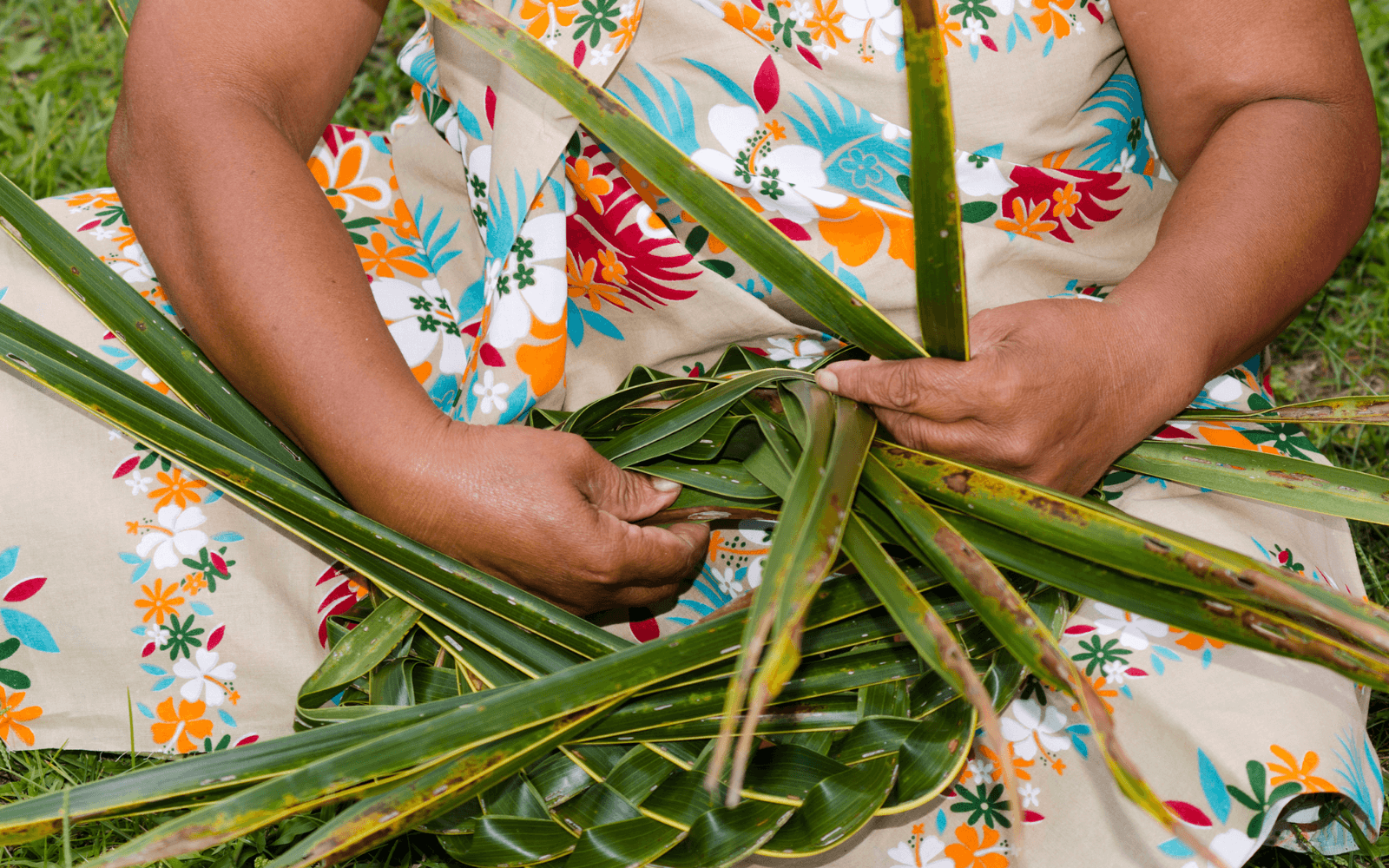
By combining robust technical information with local observational data and on-the-ground insights, organisations and communities can develop a far more comprehensive picture of both current vulnerabilities and future challenges.
Local observations capture nuances such as microclimates, historical flood patterns, or community responses to past events; details that might be missed in broad-scale technical assessments alone.
Integrating the knowledge of local experts not only improves the accuracy of risk assessments but also helps tailor adaptation strategies to local realities. This approach increases the likelihood that adaptation measures will be practical, accepted by stakeholders, and ultimately successful in building resilience where it matters most.
Watch a short video here
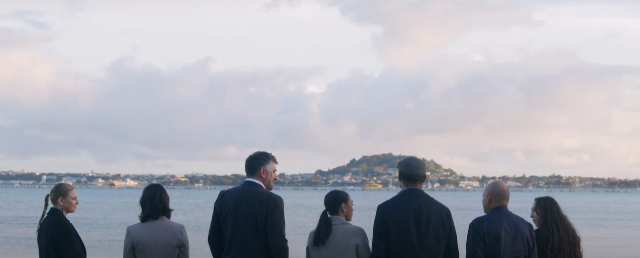
Integrated Approach
At Beca we work in partnership with local communities to learn about their specific context. We listen first, then co-create possible interventions that can be adapted over time to respond to changing information.
Whether we’re working in Aotearoa New Zealand, the Pacific Islands, Australia or Asia, we start by engaging with the community as ‘local experts’ and use our locally based teams in conjunction with technical specialists from across Beca.
Case studies

Auckland Knowledge Platform
As extreme weather events and flash floods become more common, Auckland Council is working to address climate resilience and adaptation challenges in Tāmaki Makaurau Auckland.

Cook Islands Vulnerability Assessment
In the heart of the Pacific, the Cook Islands are on the frontline of climate change. Working with government and local subconsultants, Beca is undertaking Vulnerability & Adaptation Assessments for 15 Islands to inform enhanced resilience pathways.

Te Whare Tapa Whā: bringing Māori ways of thinking into climate adapatation
When Māori health advocate Sir Mason Durie created Te Whare Tapa Whā as a way of describing Māori health and wellbeing in 1984, he never imagined it would end up inspiring people working across a range of different industries including infrastructure, planning and climate adaptation.
Why Beca?

Long term industry relationships
That enable us to connect governments, councils & communities to help them find financial solutions

We partner to deliver great work
With a deep history of experience with Oceania adaptation projects and challenges

We leverage local expertise
With a long-term cultural stewardship experience of consulting with local communities and experts to co-create better adaptation futures

We look around the corner
By combining Transition Planning with Dynamic Pathways Planning (DAPP) for exceptional outcome modelling

Creative problem solving
Creating solutions to mitigate risks to businesses and residential communities

A multidisciplinary approach
Which takes real-world engineering advice and translates it through the climate adaptation and resilience lens
Indigenous Perspectives
Learn how how local knowledge, culture, and collaboration drive impactful, adaptive, and resilient solutions

Key contacts

Shared Foundations
Embracing Māori and Pacific wisdom for climate adaptation, and harnessing local expertise to build resilience and protect our communities
In Aotearoa New Zealand, we work with Te Ahi Tūtata, the Māori business team at Beca, to bring a Māori worldview to our work.
"Ko au te whenua, ko te whenua, ko au."
I am the land and the land is me.
In te ao Māori (the Māori world) the earth is viewed as an ancestor — a being that must be protected. Manaakitanga (respect and care) and kaitiakitanga (guardianship) of Papatūānuku (Earth mother and wife of Rangi-nui, the Sky father) is a fundamental principle, tied to the belief that humans are interconnected with the natural world.
In the Pacific we have established enduring relationships with on-island partner consultancies and, in addition, we adopt participatory approaches such as those used in the engagement with communities for the Cook islands Vulnerability & Adaptation Assessments.
“E sui faiga ae tumau fa’avae.”
Practices may change, but the foundations remain.
This samoan proverb speaks to adapting approaches over time, whilst respecting the foundational knowledge (often held by local people).
People come first
For us, every project is personal because it’s about people first; listening, understanding, and delivering solutions that truly matter. At Beca, we believe in the power of the collective; by bringing together diverse perspectives and talents, we can achieve extraordinary outcomes while staying true to our people-first values.

Get to know the team