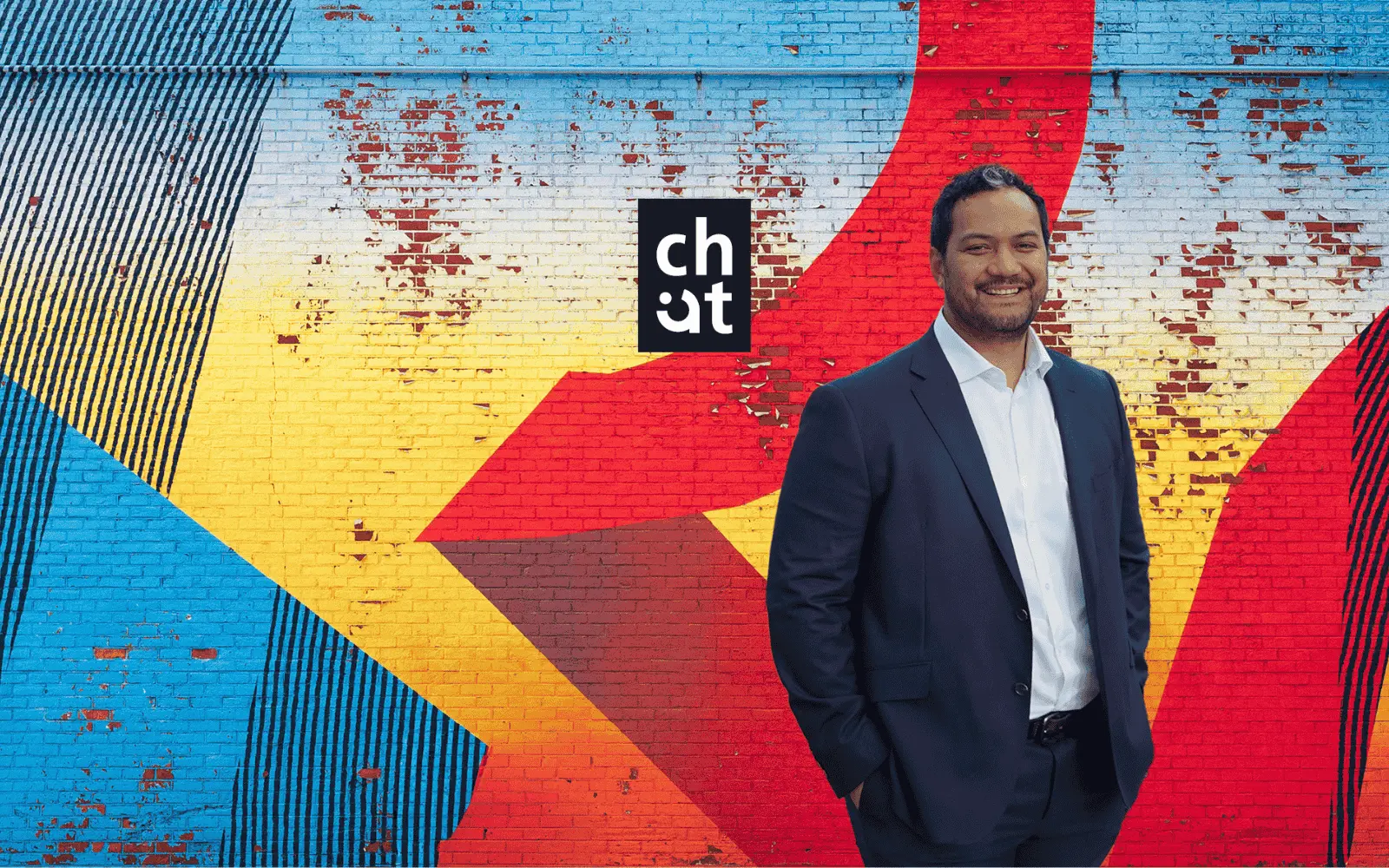
As part of a series of stories profiling people of influence from around Beca, we spoke to Senior Project Manager and Tonga Country Manager, Sione Likiliki about his career journey and life outside of work.
How would you describe what it was like to grow up in Tonga?
It’s hard to describe unless you’ve lived it. In Tonga, the village is your parent. Everyone plays a role in raising you, not just your parents, but your neighbours, your extended family, your whole community. You grow up surrounded by accountability, but also care.
We’re taught to live by four core values - respect, mutual support, humility and relationships. These aren’t just principles, they shape the rhythm of life. You learn to listen before speaking, to serve without needing recognition, and to never walk past someone in need.
It’s why Tongans often come across as reserved. We were raised not to talk over others, and certainly not to talk about ourselves too much. That can be a challenge in the corporate world, where self-promotion is the norm and meetings can run long because everyone wants a say. Growing up, there was a structure to how you contribute, when it is your time, you speak. And when you speak, you make it count.
What were you interested in as a kid? What did you want to be? Did you imagine you’d be doing this?
Not at all. I definitely didn’t imagine this. All I wanted was to enjoy life and play rugby. I thought maybe I’d end up working in government or help out the family, but never pictured myself working for a consultancy in Australia.
This is a role I’m grateful for. It lets me help shape outcomes in the Pacific while staying grounded in the values I was raised with. And it shows young people back in the islands that there are pathways beyond what they see, that they can lead, contribute, and influence from wherever they are.
When people back in the Pacific ask what I do, I just say, I fix problems. That usually makes sense.
What’s it like to live in Canberra?
I chose Canberra because I wanted to work in International Development, and this is where those decisions are made. Most Pacific nations have a diplomatic presence here, and the connections, funding, and influence are all close by.
It’s also a city that embraces diversity. I’ve built a community here, playing social sports during the week and catching up over kava with young Pasifika leaders on weekends.
I travel often, and spend as much time as I can with my kids. We went to Tonga for five weeks over Christmas. It was important for them to see where they come from, to know the people and stories behind their identity.
I’d love for them to find careers in areas like climate change or environmental engineering, something that gives back. But also I know we each find our own path. My father wanted me to be a doctor like him. I didn’t follow that path, but I think I’m doing what I was meant to do.
How did you decide what to study at university?
I was drawn to sport at first, I saw it as a way to travel and build a future. I realised early on that it was a short career, so I thought maybe I could work behind the scenes instead, managing teams or players.
That curiosity led me into government development work in Tonga. Then I came across International Development, and eventually Beca. What attracted me wasn’t just wasn’t the work, it was the culture. There’s a genuine focus on people, and that’s something I align with deeply.
What’s your ultimate goal?
When I joined Beca, I told myself: start where you are, but don’t limit where you can go. I’d like to be the first Pasifika on the Beca Board.
It’s not about ambition for its own sake, it’s about representation. If we want to shift the system, we have to be part of the system. Leadership for me isn’t just about titles, it’s about presence and influence. And I want to help make space for others to follow.
How would your friends describe you?
Probably as someone outgoing, who likes to socialise. I’m always networking.
What about your parents, what would they say about you?
They’ve always known I think differently. I asked a lot of questions growing up, which in Tonga can be seen as unusual. But I hope they’re proud of how I’ve carried our values into the work I do.
When you take colleagues to Tonga for the first time, what do you tell them about the culture?
I tell them to expect early mornings, roosters, church bells and to expect a different pace.
We’ll often go out for a stroll through the community or sit down for kava. I always offer to take them to church, not just as a religious experience, but as a place where community connects. Church in Tonga is where people talk, share concerns, and make decisions together.
Growing up we’d exchange food with our neighbours every Sunday. If we caught ten fish, we’d give most away, even if it meant we had none left. It’s not generosity, it’s just how things are done.
We don’t save for ourselves, we give to others. And that brings a different kind of wealth.
That’s often hard to explain to people coming in with a Western lens. But once you understand that relationships and obligations come first, you start to see the Pacific differently.
It’s not just culture, it’s the infrastructure of how we live, lead, and support each other.
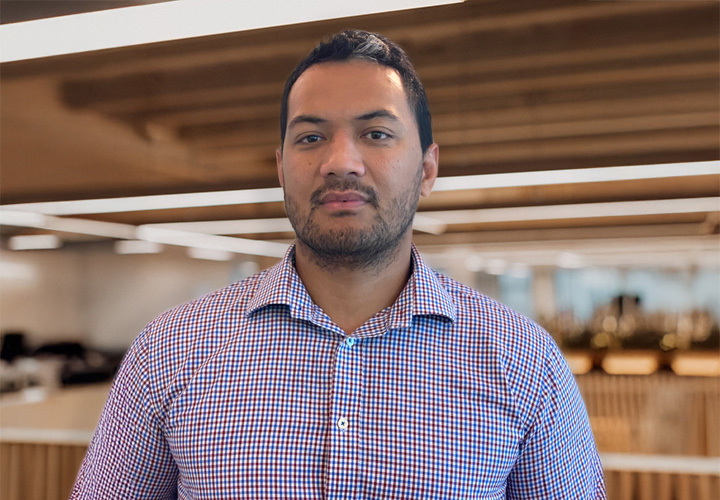
Sione Likiliki
Senior Project Manager - Advisory Practice