Water covers over 70% of the earth's surface, yet less than 3% of it is fresh – and the infrastructure needed to capture and deliver that fraction safely is under growing strain.
Water infrastructure consulting from source to sea
Population growth and climate change are placing real pressure on the infrastructure that sources and delivers water to communities, and manages what returns to the environment. Effective water infrastructure integrates the full water cycle, recovering water, energy, and nutrients from waste before they cause harm downstream. The decisions made at the infrastructure planning stage shape how well a network performs for decades.
For that reason, you want water industry specialists who have years of experience in transforming environments and communities in both urban and rural settings. For almost 50 years we've been doing just that – providing considered design and strategic advice across Australia, New Zealand, Southeast Asia, and the Pacific with a range of water services and water infrastructure solutions and support.
We're focused on long-term solutions for our clients. From drinking water provision to wastewater and stormwater management, we have the technology and the know-how to develop efficient solutions to all your water and environmental needs.
Some of our water projects
Delivering Water Infrastructure
Water infrastructure projects are among the most physically demanding and long-lived assets our clients will ever build. A bulk water pipeline or pumping station commissioned today needs to perform reliably for five decades plus, through population and climate shifts and the regulatory changes that accompany both. Getting the planning and delivery right from the start is what we do.
With nearly 50 years of experience across Australia, New Zealand, Southeast Asia, and the Pacific, we have worked on water infrastructure at every scale. Our clients include local councils, water utilities, state and national governments, and development agencies. The projects we deliver range from rural reticulation networks serving small communities to major urban conveyance infrastructure that supports millions.
Safety is a non-negotiable in this environment. Water infrastructure projects involve high-risk activities such as confined space entry, deep excavation, live network tie-ins, and remote site operations. Our safety procedures are designed to meet and exceed regulatory standards, and we treat continuous improvement in safety practice as an operational priority rather than a compliance exercise.
In 2023, Beca formalised a Memorandum of Understanding with Black & Veatch, one of the world's leading water infrastructure firms, built on more than five years of collaboration on water projects across the region. Beca maintains certification to ISO 9001 for quality management, ISO 14001 for environmental management, and ISO 45001 for occupational health and safety. These certifications reflect the governance expectations of our partners and are maintained through ongoing independent audit.
Thinking in Systems, Not Just Assets
Water infrastructure rarely fails at a single point in isolation. A treatment plant that performs well on paper can still underdeliver if the pipelines feeding it are undersized, the pumping stations are ageing, or the stormwater network upstream is overwhelmed during heavy rainfall. Our approach starts with understanding the full system and how each component interacts within it. Only then do we recommend where to invest.
Infrastructure services across the water cycle are typically categorised by function: bulk water services that source and convey raw water, reticulation services that distribute treated water to end users, sewerage and treatment services that collect and process wastewater, recycled water services that return treated water to productive use, and stormwater services that manage excess rainfall to protect communities and waterways.
We work across all of these categories and the interfaces between them. That's where the most consequential planning decisions are made, and where our nearly 50 years of regional experience adds the most value.
.
Our people


Water Supply and Treatment Infrastructure
Drinking water systems consist of source water areas, treatment plants, and distribution networks working together to deliver potable water reliably and safely. Water pipes, tanks, pumps, dams, storage reservoirs, and treatment plants make up the essential networks that transport water to communities for everyday use – and we design and deliver across all of them.
Our work covers the full supply chain from raw water intake through to treated water distribution. River and groundwater intakes, raw water pipelines, pumping stations, and storage reservoirs are sized and configured around current demand and long-term growth projections. Treatment plants employ chemical and biological processes – including chlorination, UV light, and membrane filtration – to ensure the water reaching communities is safe to drink.
Wastewater Collection and Conveyance Infrastructure
Effective wastewater management starts well before the treatment plant. The condition and capacity of the collection network is as important as the treatment processes downstream. You don't want a high-ingress network that increases operating costs while placing unnecessary load on treatment assets.
We design and assess wastewater collection infrastructure across the full network – gravity mains, rising mains, pump stations, and trunk conveyance infrastructure – and provide condition assessment and rehabilitation planning for ageing assets. For industrial clients discharging trade waste to the municipal network, we assist with pre-treatment system design to meet trade waste agreement requirements.
Water Security and Drought Resilience
Securing water supply against drought and climate variability requires planning that looks well beyond the current network. Advanced systems like desalination plants can remove salt and up to 99% of impurities from alternative water sources, providing a climate-independent buffer during dry periods. Managed aquifer recharge offers a complementary approach, replenishing groundwater reserves when surface supplies are under pressure.
We assist water utilities and government agencies with water security planning, which involves things like assessing alternative supply options and modelling supply and flood scenarios. Investment in existing and emerging technologies to improve water resource planning and network efficiency sits at the centre of this work, enabling greater utilisation of existing assets before new capital is committed.
Stormwater Management
Stormwater systems channel and detain excess rainfall to protect communities from local flooding and prevent pollutants from reaching waterways. Pipe sizing is only part of the answer. Catchment behaviour and the cumulative effects of urban development on runoff and water quality shape what a stormwater network actually needs to do.
From network modelling and long-term planning through to drainage infrastructure design, we work across both new developments and existing urban catchments. We also design environmental features such as wetlands and bioretention systems that improve water quality before stormwater reaches receiving environments.
Recycled Water Systems
Water reuse is playing a growing role in water security strategies, particularly during dry periods. It encompasses all types of water, including stormwater and greywater. Recycled water systems return treated wastewater and stormwater to productive use for irrigation, industrial processes, and non-potable urban applications, reducing demand on potable supplies.
We design recycled water infrastructure from treatment through to distribution, including dual reticulation systems that deliver recycled water alongside potable supply. Our work covers feasibility assessment, system design, and the regulatory approvals process for recycled water schemes across Australia and New Zealand.
Asset Management and Technology
Ageing water infrastructure is one of the most pressing challenges facing utilities and councils across Australia, New Zealand, Southeast Asia, and the Pacific. Networks built decades ago were not designed for today's demand levels, and replacing them outright is rarely feasible. Targeted investment guided by condition data and network modelling is typically the more cost-effective path.
We support clients with asset condition assessment, maintenance planning, and the application of specialised software systems and process modelling to improve network performance. For assets that are difficult or hazardous to access, we use robotics and remote inspection technology – including PIPE-i, a six-wheeled robotic survey vehicle developed in-house to inspect culverts, pipes, and tunnels using 3D scanning and LiDAR without requiring confined space entry.
Water Engineering
Our team of water engineers and consultants swim in the deeps of water quality challenges, and surface with design and advisory services that turn complex water problems into innovative solutions that last for generations after we've wrapped up the site.
Whether your top water questions are focused on drinking water safety, supply and drought resilience, effective asset management, the impacts of climate change, or environmental considerations around sustainable processing and discharge – our water engineers are here to make it all clear.
Water and Wastewater Treatment
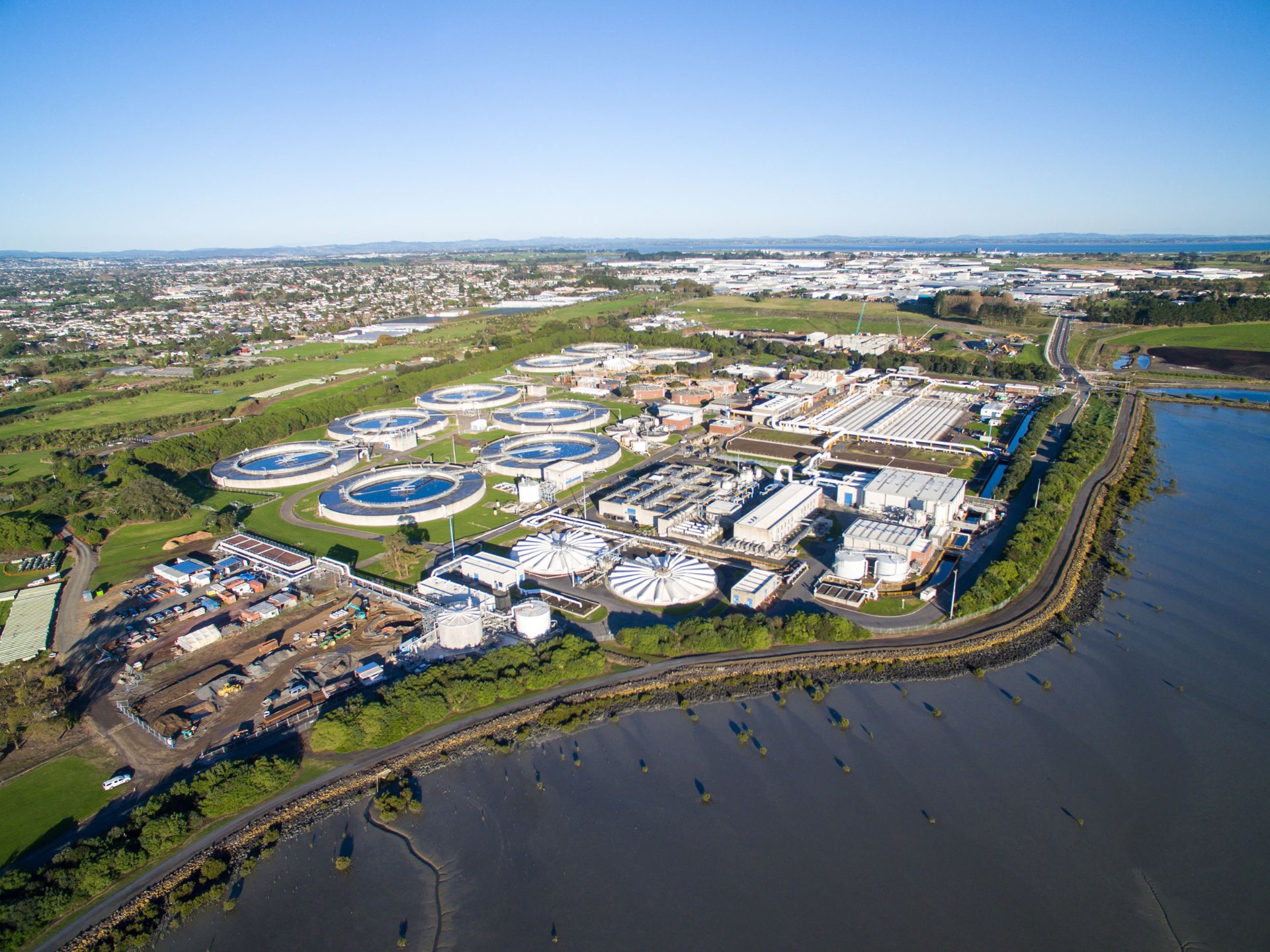
Not everybody gets excited about water and wastewater treatment projects, but we're not everybody. From refurbishing municipal drinking water plants to tackling industrial effluence challenges to extracting valuable resources from waste, we are the water partner for you.
Our water treatment experts handle the full design lifecycle – from planning and approvals through to site and process selection, facility design, and construction support.
Water Resources Management
The efficient alignment of water source, treatment and delivery forms the crux of effective water resources management, and our experienced team is here to help you achieve just that while balancing the competing needs of public and environmental water consumption.
Talk to us about how our environmental and engineering expertise can support your water management challenges, including front-end studies, data modelling, source assessments, allocation planning, and river system protection.
Municipal and Utilities
Councils and water utilities are responsible for the water infrastructure that communities depend on every day – drinking water networks, wastewater collection, stormwater systems, and recycled water schemes. They face growing demand from expanding populations while managing ageing assets and constrained capital budgets. We have worked alongside councils and utilities across Australia, New Zealand, Southeast Asia, and the Pacific on projects at every scale, from small community water supply upgrades to major urban infrastructure programmes serving hundreds of thousands of people.
Agriculture and Irrigation
Agriculture is one of the largest consumers of freshwater in Australia and New Zealand, and the infrastructure that delivers it – irrigation networks, on-farm storage, intakes, and distribution systems – is critical to the region's most productive farming areas. Dams play a critical role in providing irrigation water for agriculture, holding seasonal water for release when it's needed most. We work with agricultural clients and irrigation scheme operators on feasibility, design, and long-term asset management, including dam engineering for new structures and condition assessment for existing ones.
Industrial and Resources
Industrial and resources operations are heavy consumers of water infrastructure, drawing on it for process water supply while generating wastewater and contaminated runoff that needs careful management. Remote site locations add complexity, requiring treatment and conveyance infrastructure that can operate reliably with limited on-site support. We design and assess water infrastructure for industrial and resources clients across the region, with experience across mining, energy, and heavy industrial operations where water supply reliability and discharge compliance are non-negotiable.
Government and Development Agencies
State and national governments, along with development banks and aid agencies, fund major water infrastructure programmes across the region – from urban water security investments to water and sanitation projects in Pacific Island nations. These engagements require familiarity with procurement frameworks and funding conditions that differ considerably from standard commercial projects. Our work with the Government of Nauru and the Asian Development Bank on the Nauru Sustainable and Resilient Urban Development Project is one example of how we operate within these frameworks to deliver water and wastewater infrastructure that serves communities for generations.
Water Infrastructure Case Studies and Awards
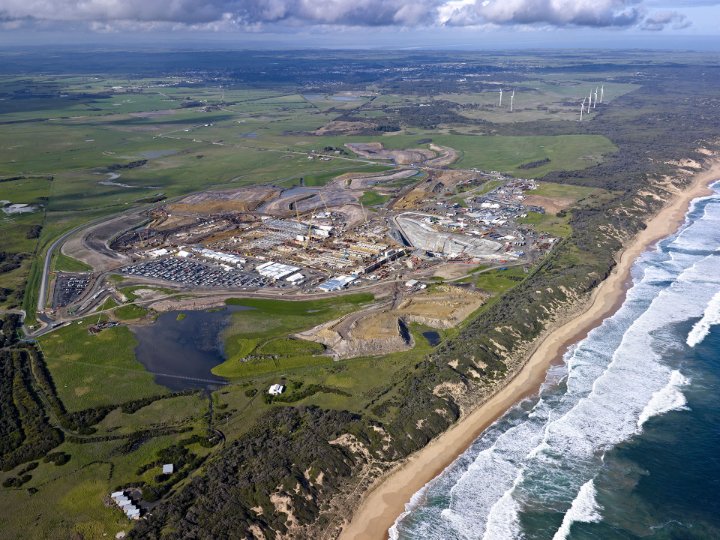
Victorian Desalination Plant
Beca provided engineering design services for this A$3.5B reverse osmosis desalination plant that supplies more than a third of the city's annual water needs.
Project Awards
- Desalination Plant of the Year at the 2013 Global Water Intelligence Global Water Awards
- Infrastructure Project Innovation Award at the 2013 Australian Water Association Victorian Water Awards

South East Water Capital Works Programme
Beca joined Fulton Hogan and Delplant in a joint venture to deliver a seven-year, A$300M capital works programme across Melbourne's water and wastewater network.
Project Awards
- Excellence in Civil Construction at the 2016 Civil Contractors Federation Victorian Earth Awards
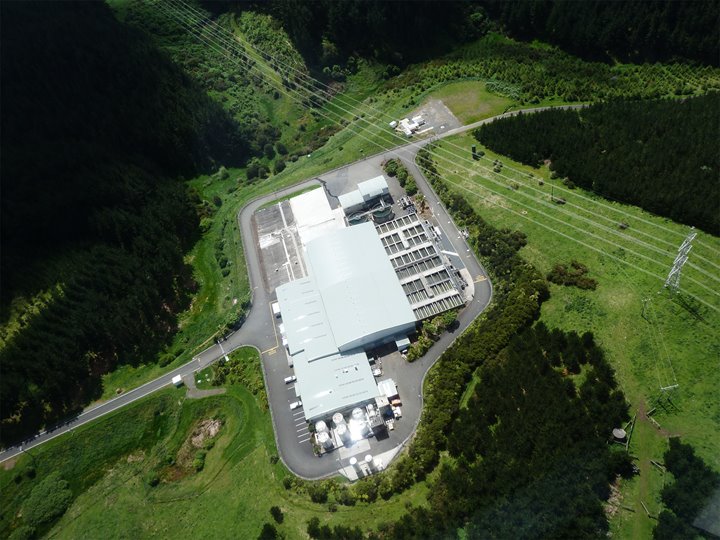
Waikato Pipeline and Pump Station
Beca worked on this NZ$100M bulk water supply project delivering 150 million litres of treated water per day from the Waikato River to Auckland via a 37km steel pipeline.
Project Highlights
- 37km pipeline length
- 150 million litres of treated water delivered per day
- Delivered with significant pipeline cost savings through innovative design
"CH2M Beca made a significant contribution to the success of the project. Watercare remains very pleased with the technology selection and the quality of water produced."
Derrick Adams, Watercare Services Ltd
Waikato Pipeline and Pump Station
"Our partnership with Beca has allowed us to jointly progress with innovative new technology. They have brought their national experience to the table to help benefit our business. Beca has a skill set and enthusiasm for the digital technology which is contagious. They are helping us move forward in this area."
Dean Barnett, Western Water
Western Water Digital Solutions
"With MWSC's Development Plan and 20 Year Strategic Plan we are moving in the right direction in terms of operational and institutional improvements. MWSC has been fortunate to work with development partners in implementing some of the projects mentioned in our Development Plan."
Halston de Brum, Majuro Water & Sewer Company
Majuro Strategic and Development Planning
Get in touch
Get in touch with our friendly engineers and consultants today to discuss your water infrastructure needs and how we can support your project.
Join our Water team
We’re looking for innovative professionals to deliver sustainable water solutions within a collaborative, people‑focused culture. Ready to make a splash? Apply to join Beca’s Water team today.