
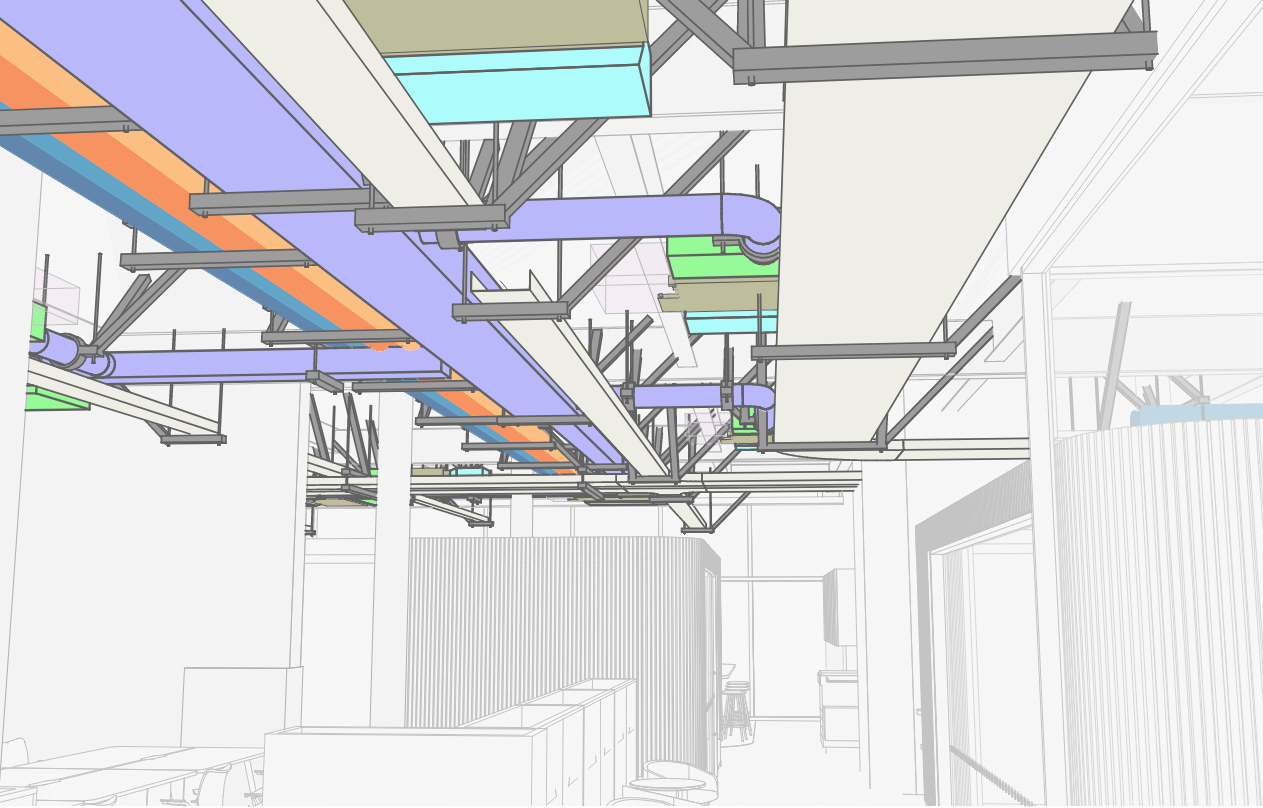
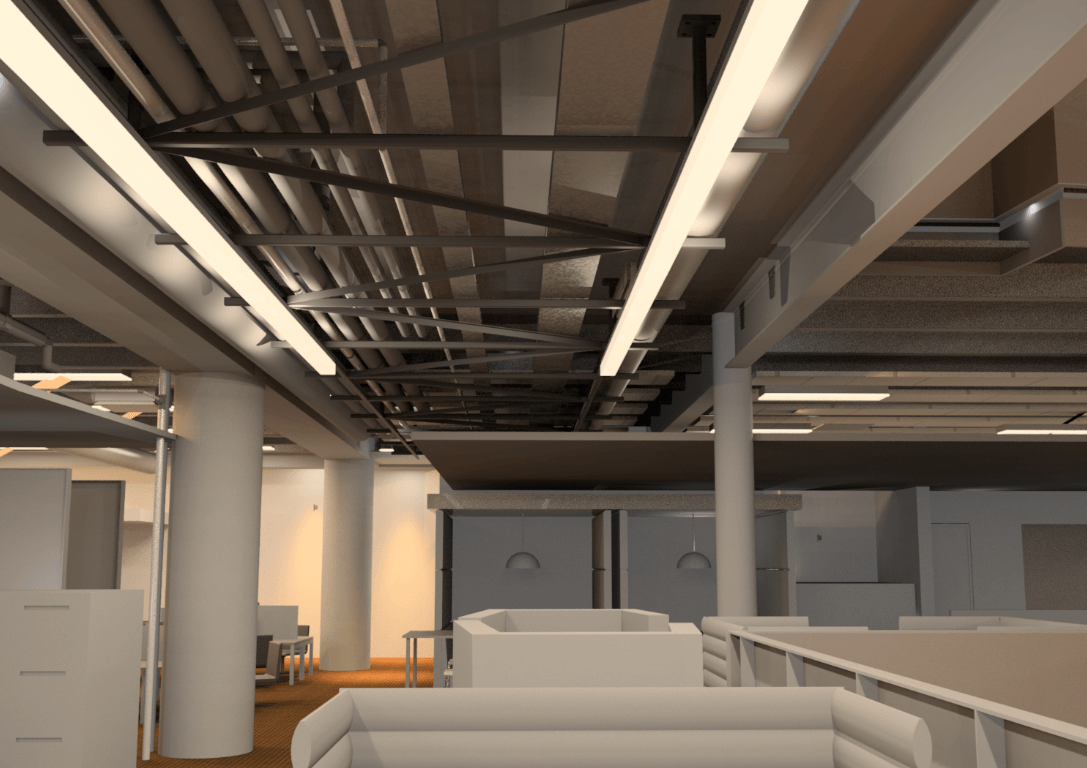
We simplify the complex – working alongside your wider project team, we design, model and coordinate seismic restraints to non-structural elements; to produce solutions that are safe, economical and simple to construct.
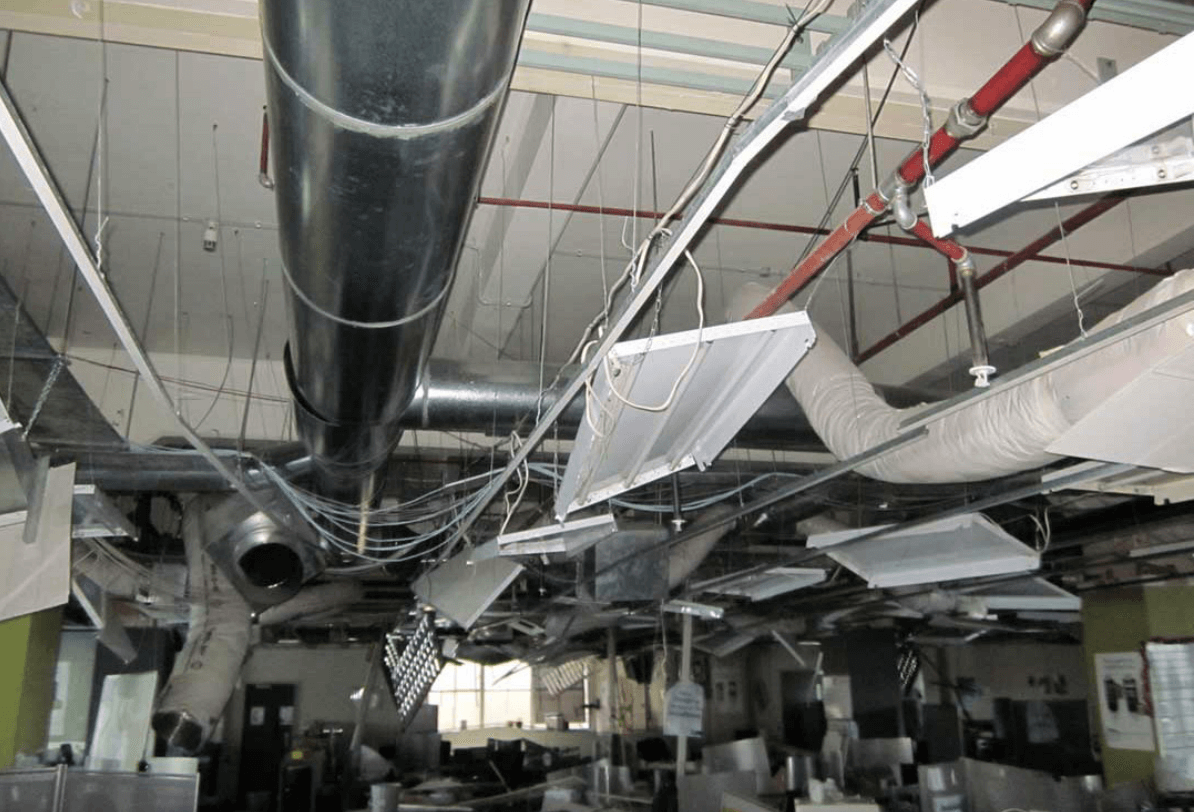
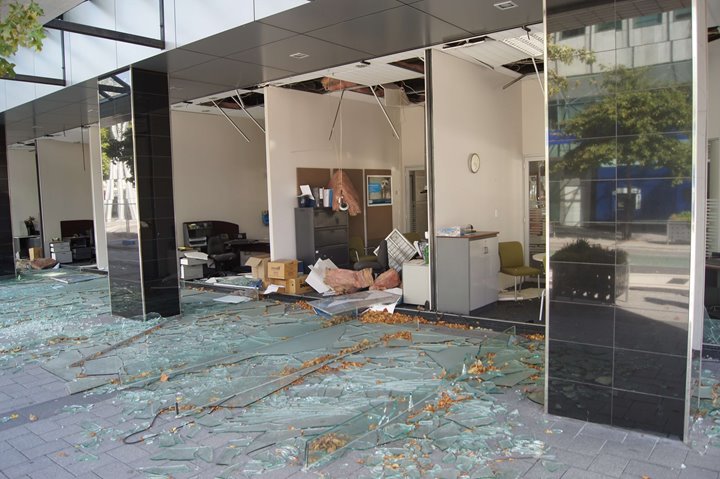
Non-structural components comprise up to 70% of a building’s capital value. Earthquake damage to these components can result in some buildings being declared economic losses, even when the structure itself is not badly damaged by seismic loads. Damage to non-structural elements due to poor seismic design is a significant risk to building occupants and affects whether the building can be occupied following an earthquake or seismic event.
The seismic restraint of non-structural building elements (an important aspect of earthquake engineering) is a requirement of the New Zealand Building Code and its Australian standard equivalent, the National Construction Code. However, seismic bracing systems have historically been poorly executed in New Zealand, resulting in unsatisfactory safety and cost outcomes after moderate to large earthquake actions.
An integral arm of Beca's larger building services team, our seismic design service removes a traditional stumbling block in coordination between the architect, engineer, service engineer and contractor – making it easier to deliver safe, economical and simple seismic performance.
Our holistic approach to the restraint of non-structural parts allows us to develop solutions alongside the wider project team during the design phase, producing better quality outcomes including:
- Improved value: Seismic design solutions that are efficient, flexible, easy to source and install.
- Reduced risk: The seismic, cost and programme risk is addressed directly by the design.
- Improved collaboration: Early involvement of seismic restraint design enables the team to integrate into the design process and develop holistic solutions suited to the structure's importance level.
- Improved sustainability: We reduce waste by improving seismic resilience of non-structural elements to prevent and minimise damage.
- Innovative designs: We constantly innovate to bring the best technology into our seismic bracing service delivery, including specifically designed software and tools.
- Greater certainty: Including non-structural elements in our drawings relieves subcontractors from seismic design responsibility.
- Compliance with the Building Code: The drawings issued give the contractor team confidence that the non-structural components will be installed to Building Code-compliant seismic certification standards.
We've developed seismic bracing solutions for offices, data centres, factories, hospitals, research facilities and many other building types. Whether you need brand new or retrofit installations for one or many buildings, reach out to us today to discuss your project's goals.
Take a deeper dive into what we offer
- Beacon: Combining real-time earthquake information with knowledge of your assets, to help you respond quickly and efficiently. Find out how.
- Earthquake engineering: We have decades of experience in the world’s seismic hotspots - from the assessment of earthquake-prone buildings in New Zealand to the development of seismic qualification codes in Asia and large-scale retrofit programmes in Europe. Learn more.
Our brochure
We're committed to building strong and lasting relationships by responding to the needs and aspirations of our clients and their communities. Download the PDF.
- Performance-based earthquake engineering: Situated in one of the most seismic regions of the world is Santiago, Chile. With its large collection of tall buildings set against the backdrop of the Andes Mountains, it was a superb location for the 16th World Conference on Earthquake Engineering. Matt Fox explains.
- Seismic risks in ASEAN? At 6:50am on 21 November, a magnitude 6.1 earthquake occurred near the Thailand-Laos border. Having lived in Christchurch through the 2010-2011 earthquake sequence, I have experienced thousands of earthquakes, but this was the first time I had felt one outside of New Zealand. Andrew Baird explains.
- Building Better – the importance of non-structural elements in earthquakes: Non-structural seismic specialist Dr Andrew Baird reflects on the growing importance of ensuring non-structural elements are considered in earthquakes, given his firsthand experience. Andrew Baird explains.
What We've Done
Our People



Kam Weng Yuen
Business Director - Business & Practice Development Structural Engineering
Take a deeper dive into what we offer
Beacon
Earthquake engineering
Our brochure

Seismic risks in ASEAN?
Building Better – the importance of non-structural elements in earthquakes
Non-structural seismic specialist Dr Andrew Baird reflects on the growing importance of ensuring non-structural elements are considered in earthquakes, given his first hand experience.