
At Beca, we’re driven to make everyday better for our clients, communities and businesses. One way we do this is by making emissions reduction easier by turning ambition into practical steps that build a cleaner, more resilient future for everyone.
"We’ve got our Scope 1, and 2 emissions sorted. But what exactly is Scope 3 and why does it matter?"
It’s a question we hear often. And it’s the right one to ask.
As climate commitments and disclosures come into sharper focus across Australia and Aotearoa New Zealand, the full breadth of Scope 3 emissions from an organisation are now requiring attention. For organisations serious about decarbonisation, understanding and addressing Scope 3 is no longer optional, it’s essential.
What are Scope 3 Emissions and why should you care?
Scope 3 emissions are the indirect greenhouse gases generated across your value chain. They include everything from the goods you purchase, business travel, and waste, to how your products are used and disposed of. In many cases, Scope 3 emissions account for more than 60% of an organisation’s total carbon footprint. That’s not just significant, it’s transformative.
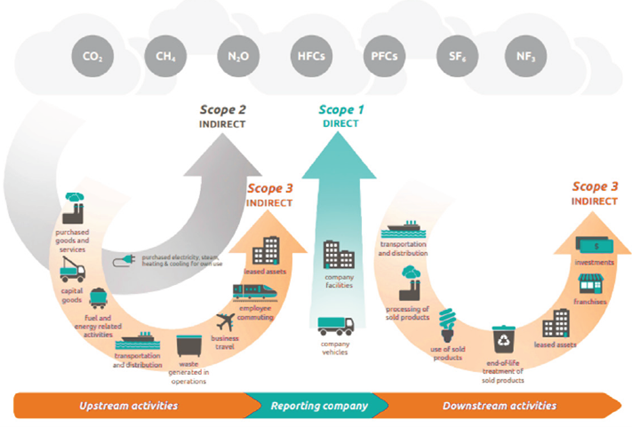
Image is adapted from Scope 3 Standard, page 5
Why now? The regulatory shift is real
In Australia, legislation passed in September 2024 mandates climate-related risk disclosures including Scope 3 for many organisations. In New Zealand, financial institutions are already reporting under the NZ CS 2 standard, led by the External Reporting Board (XRB).
But this isn’t just about compliance. It’s about leadership and future-proofing your business.
When one organisation acts on Scope 3, it sends a powerful signal across its ecosystem, suppliers, partners, and customers. That ripple effect is how real, systemic change begins.
Yes, it’s complex, but it’s also achievable
We hear the concerns:
- “We don’t know where to start.”
- “Our suppliers aren’t giving us the data.”
- “There are too many standards to follow.”
- “We’re struggling to get buy-in from leadership.”
These are real challenges. But they’re not insurmountable. With the right guidance, assumptions, and tools, Scope 3 reporting can be both practical and impactful.
How Beca is making Scope 3 actionable
At Beca, we’ve helped organisations across sectors navigate the complexity of Scope 3. Our work with the New Zealand Ministry of Education under the Carbon Neutral Government Programme (CNGP) is a prime example. We supported the Ministry in reporting full Scope 1, 2, and 3 emissions for all state schools and kura, translating standards like the GHG Protocol and ISO 14064 into meaningful, sector-specific insights.
We also developed a Scope 3 Emissions Guideline for the Tertiary Education Sector across Australia and New Zealand. This resource simplifies requirements and helps institutions focus on what truly matters.
Our philosophy? Keep it manageable. Keep it meaningful. And always collaborate.
What’s next: From reporting to reduction
Reducing Scope 3 emissions isn’t a solo journey. It demands teamwork across your supply chain, within your organisation, and external solution providers. But it’s also the next critical step in your decarbonisation strategy.
And the good news? You don’t have to do it alone.
Let’s keep the conversation going. Reach out to Genevieve Smith, Tor Strømsvik, or Raj Gandhi to explore how we can support your Scope 3 journey.
Authors