
If you're pushing the boundaries of typical design or have a unique operating risk, CFD can give you greater confidence when committing to a solution, and peace of mind that your people and critical systems are comfortable and safe.
What is Computational Fluid Dynamics?
Computational Fluid Dynamics (CFD) is a branch of fluid mechanics that uses numerical methods and algorithms to test, analyse and solve problems that involve the flow of fluids such as water, smoke, air and other gases in various conditions.
By solving complex mathematical equations that govern fluid and gas flow, CFD allows for predicting fluid behaviour in a wide range of applications: from visualising flow in water pipes, to simulating chemical reactions in processing plants, to solving conservation equations for mass, momentum, and energy in building ventilation systems.
What is CFD Modelling?
CFD modelling is an engineering tool that uses 3D modelling to create numerical models that simulate and assess fluid properties and complex flow behaviours under various conditions, providing valuable insights for optimising designs and improving system performance. In other words, it's the practical application of CFD principles in the real world.
While CFD simulations can be performed at all stages including detailed analysis, optimisation and troubleshooting, it's best done at the preliminary or developed design stage. That's why we collaborate early with your engineers and architects to inform and de-risk design decisions.
Our CFD Modelling Services
Our experienced building engineers and consultants can support your project with custom CFD modelling services that solve pressing problems before they arise. From improving data centre airflow quality, to pollution dispersal, rainwater ingress, or wastewater treatment processing, to helping with thermal comfort and indoor air quality within offices; our tools and solutions are making everyday better for our clients and the environment.
And we help simplify the complex. By investigating fluid flow patterns, temperatures, velocities and pressures, and providing insights that can help you understand or validate how your building systems and critical infrastructure will perform in different scenarios (including failure scenarios). This is so they can be designed to optimise energy efficiency and mitigate risks.
Say hi to Beca's CFD team today.
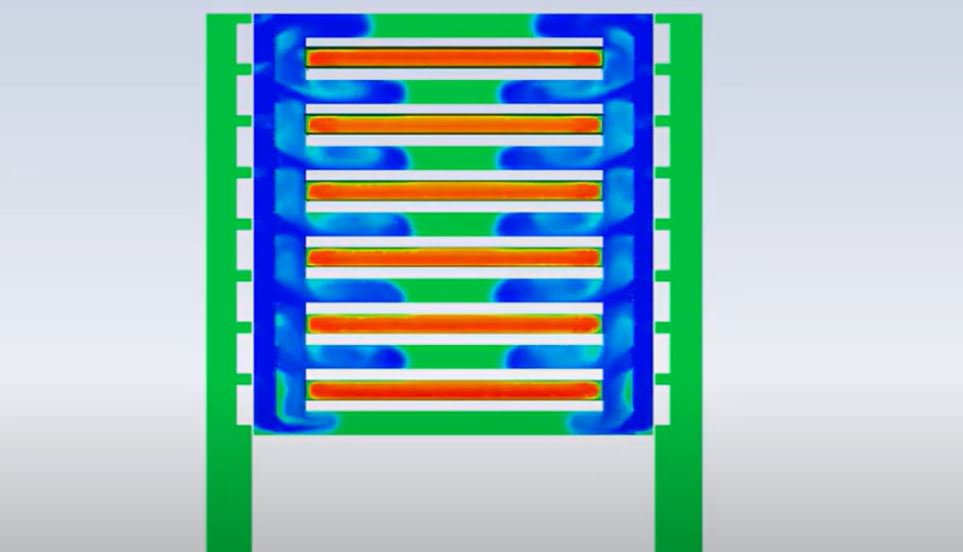
Understand cooling system performance to maintain the desired climatic conditions in your data hall as well as optimise the energy efficiency of the cooling system.
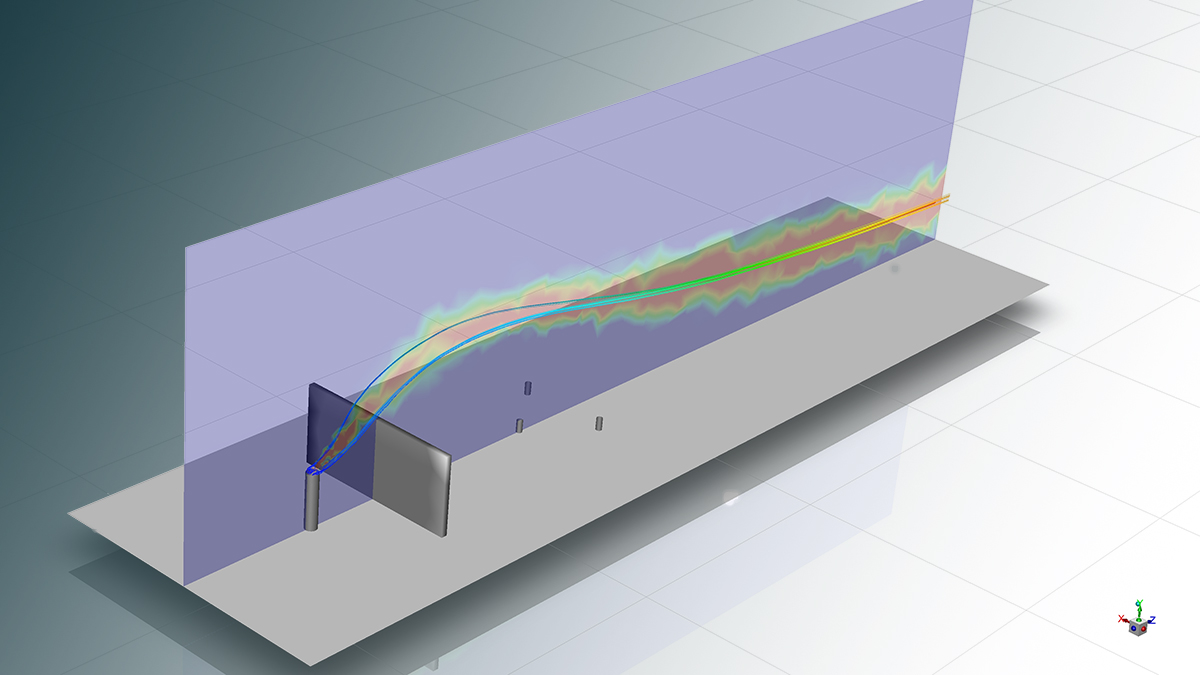
Mitigate the risk of pollutant and exhaust discharge impact on the surrounding environment by understanding the discharge profile, with prevailing wind speeds.
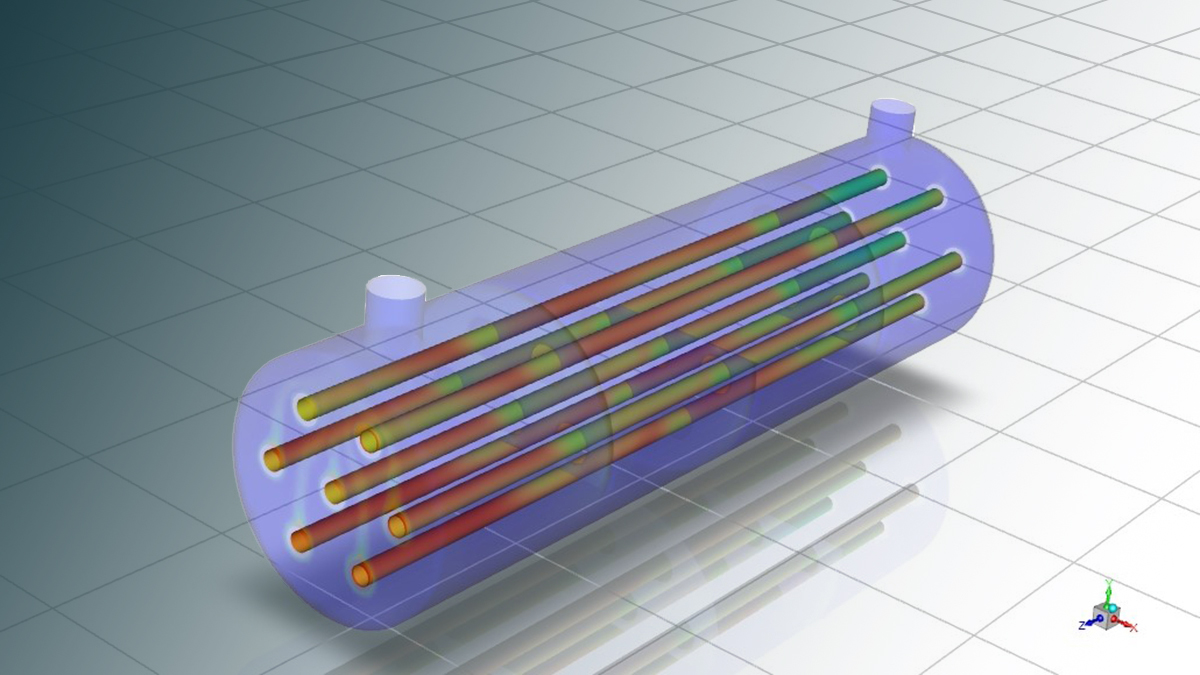
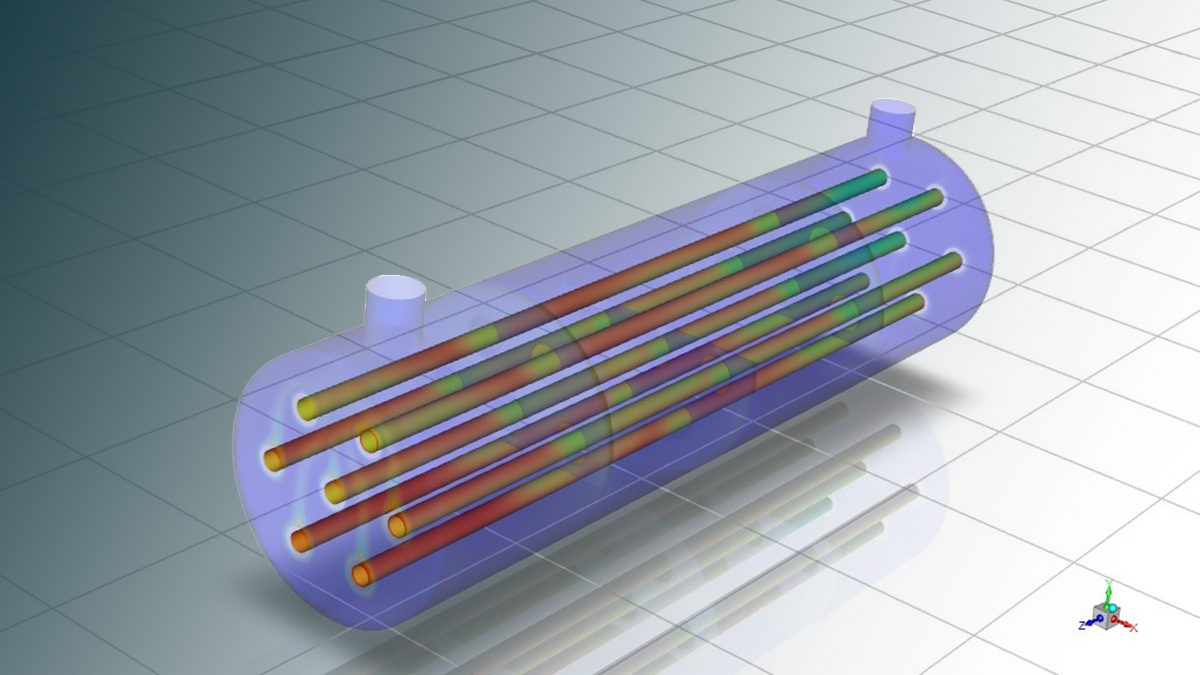
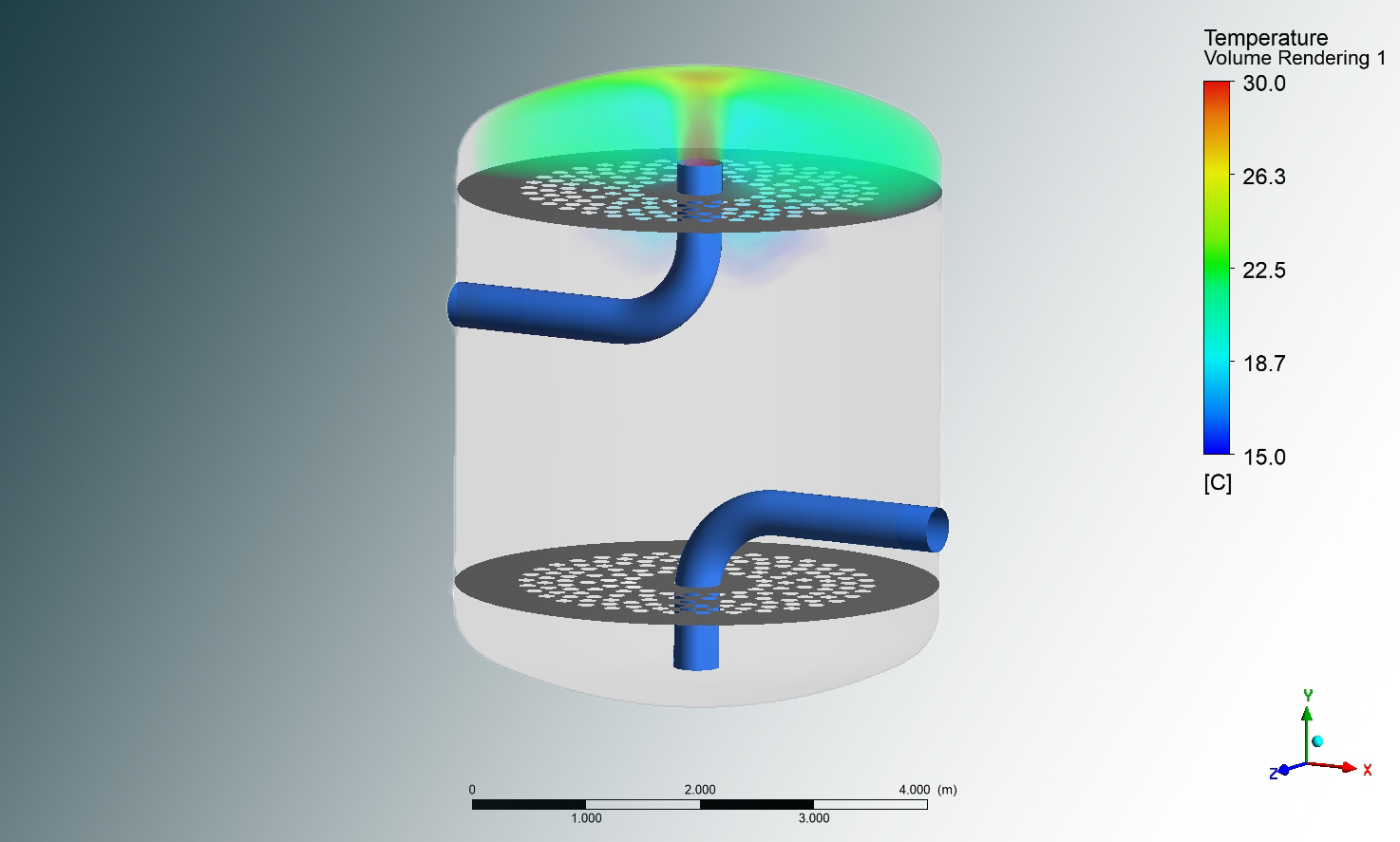
Optimise fluid flow and convective heat transfer efficiency in industrial and building system applications.


Our People