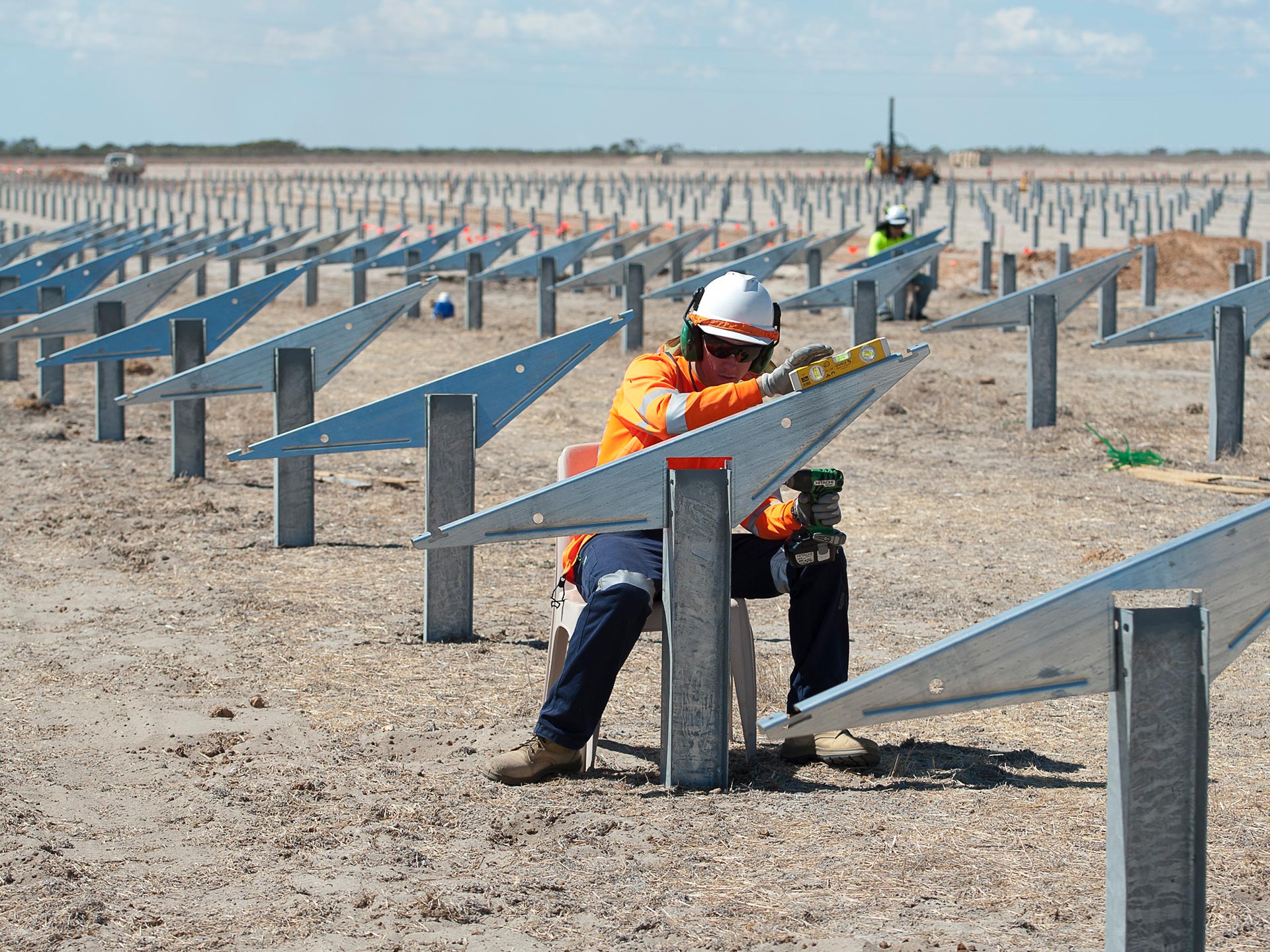
There’s a new type of farming on the increase in Australia.
Ask about farming in Australia and the answer is usually about cattle or sheep. But a new type of farming is gaining ground.
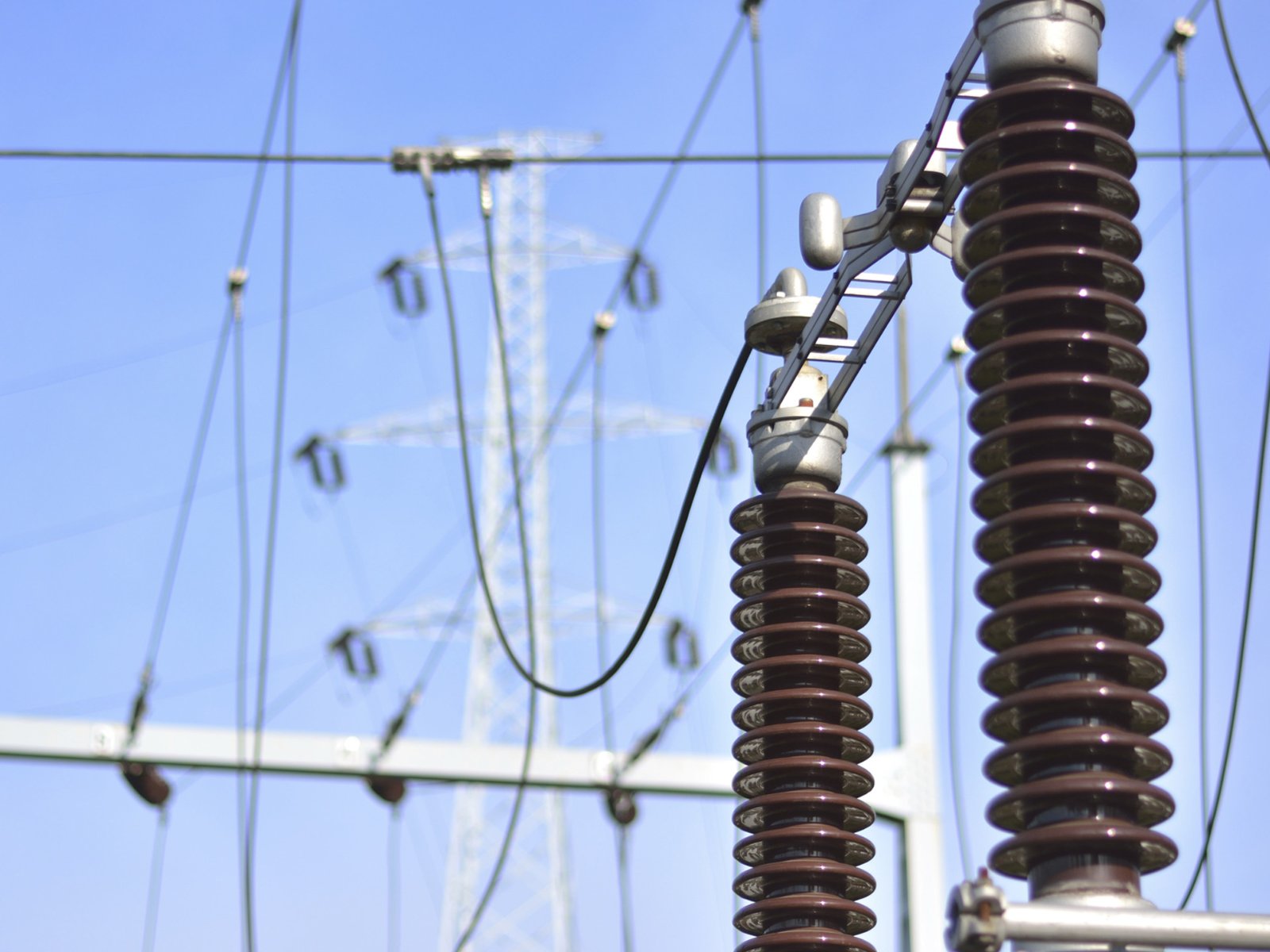
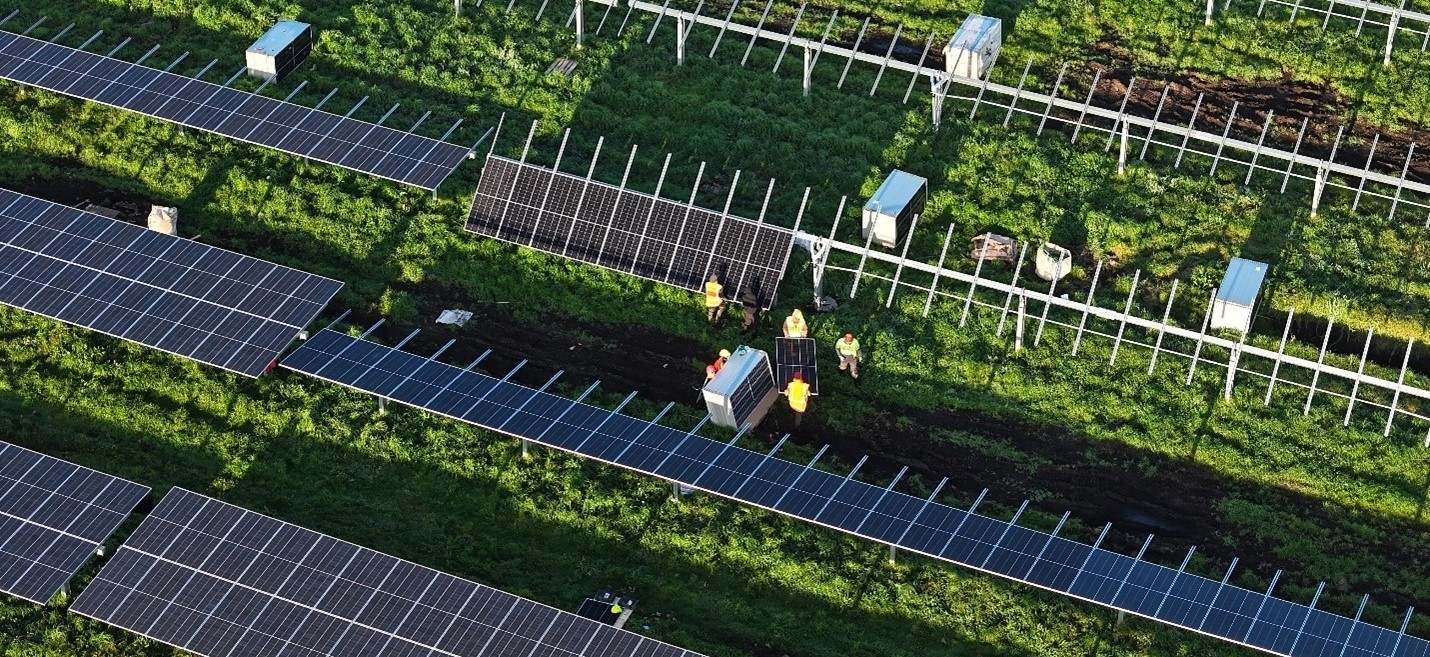
Solar farms, also known as solar power plants or photovoltaic (PV) power stations, enable power generation via hundreds of thousands of solar PV panels installed on tens of thousands of steel posts. When sunlight strikes these solar panels, they generate direct current (DC) electricity, which is then converted into the alternating current (AC) power output that most of us use at home and at work.
Large scale solar energy farming with PV systems is big business – fast becoming one of the most cost-effective renewable energy sources on the planet. Receiving more average solar radiation per square metre than any other continent thanks to its vast desert areas, Australia is well positioned to be at the forefront of energy transition as organisations around the world increasingly seek to divest fossil fuels in favour of a sustainable, clean energy market mix.
Building Australia’s solar future
With more than 10 gigawatts installed worldwide, First Solar is the leading global provider of PV energy solutions, and we’ve helped them to increase their energy production in Australia while reducing operating costs.
As First Solar’s consultant in Australia, we advised on meeting Clean Energy Regulator standards, including aligning with the federal government’s Renewable Energy Target (RET) scheme. We also provided engineering design and review services for all First Solar’s farming initiatives, and helped them to meet demanding project timelines.
Solar power stations we’ve already worked on include:
Nyngan Solar Plant (NSW)
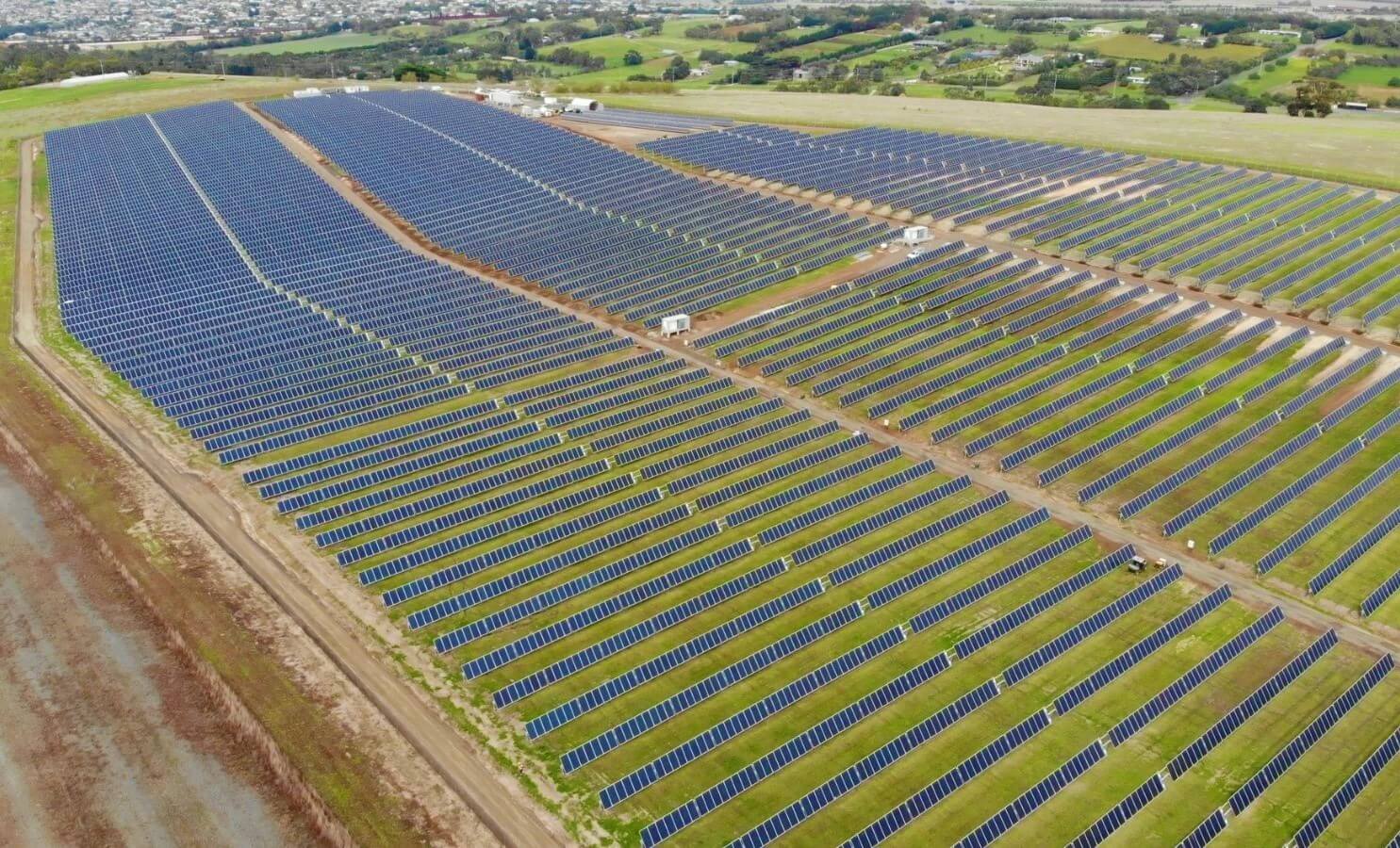
The largest project we’ve supported to date is the Nyngan plant in New South Wales, where 1,350,000 solar panels installed on 150,000 steel posts across 250 hectares adds up to an impressive electricity generation capacity of 102MW.
The largest solar farm in Australia and the Southern Hemisphere at the time of its construction in 2015, Nyngan can meet the needs of approximately 33,000 homes. With farms as effective as this one, solar must surely have a bright future.
Greenough River Solar Farm (WA)
Western Australia’s Greenough River is the first utility-scale solar project in Australia. Making excellent land use of the region’s remote, flat terrain, the facility feeds clean electricity directly to the Southern Seawater Desalination Plant.
The project set a regional benchmark as the first large‑scale solar installation to support a vital water treatment facility, powering its high‑energy reverse‑osmosis technology while tapping existing transmission lines for seamless grid integration.
Gatton Solar Research Facility (QLD)
Sited on University of Queensland’s Gatton campus, Gatton is the largest PV research installation in the Southern Hemisphere with its 3.275 MW solar array spread over roughly 10 hectares.
The farm supplies clean energy equivalent to roughly 450 Queensland homes and avoids about 5,600 tonnes of carbon emissions each year, while providing voltage and power‑factor support for the surrounding grid.
Broken Hill Solar Plant (NSW)
Broken Hill is a 53MW PV plant located about 5 km southwest of the town of Broken Hill in western New South Wales. Taking advantage of one of the highest solar radiation levels in the state, it generates approximately 126,000 MW of renewable electricity each year.
We helped deliver the plant’s layout, grid‑connection strategy, and performance optimisation measures, contributing to the successful commissioning of the farm in December 2015 and its ongoing role in supplying the regional electricity market.
Your Partner in Renewable Energy
Compounding our expertise in the renewable energy sector, Beca has also consulted on large scale wind farm projects across Australia and New Zealand. To find out more, see our work on an Australian wind farm with capacity sufficient for powering 80,000 homes.
What We've Done

Our People

Mark Nankervis
Beca Technical Fellow - Structures & Industrial Buildings