Concern for the planet’s declining resources has led several of our clients to invest in renewable energy. We are helping them make this happen.
Renewable energy is a hot topic worldwide. As demand for electricity continues to soar, traditional sources for power generation have lost favour to renewables. Most people embrace alternatives that give them the ‘feel-good' factor, while governments seek long-term energy security that finite fossil fuels like oil and gas can't offer.
As Australia continues to progress its sustainable energy transition, with a target of net-zero emissions by the year 2050, wind power is emerging as one of the country's most prevalent and efficient renewable energy sources. Wind energy provided 12% of Australia's total power generation in 2023, second only to solar power at 16%.
With those numbers set to increase significantly in the coming years, wind farms in Australia are on the rise. There are currently around 90 wind farms operating within Australia. Around another 200 are planned or under construction, including offshore wind farm projects.
Mt Mercer Wind Farm
Beca provided engineering and consulting expertise on one of many wind projects that contributed to achieving the Australian Renewable Energy Target (RET) of 33,000GWh by 2020.
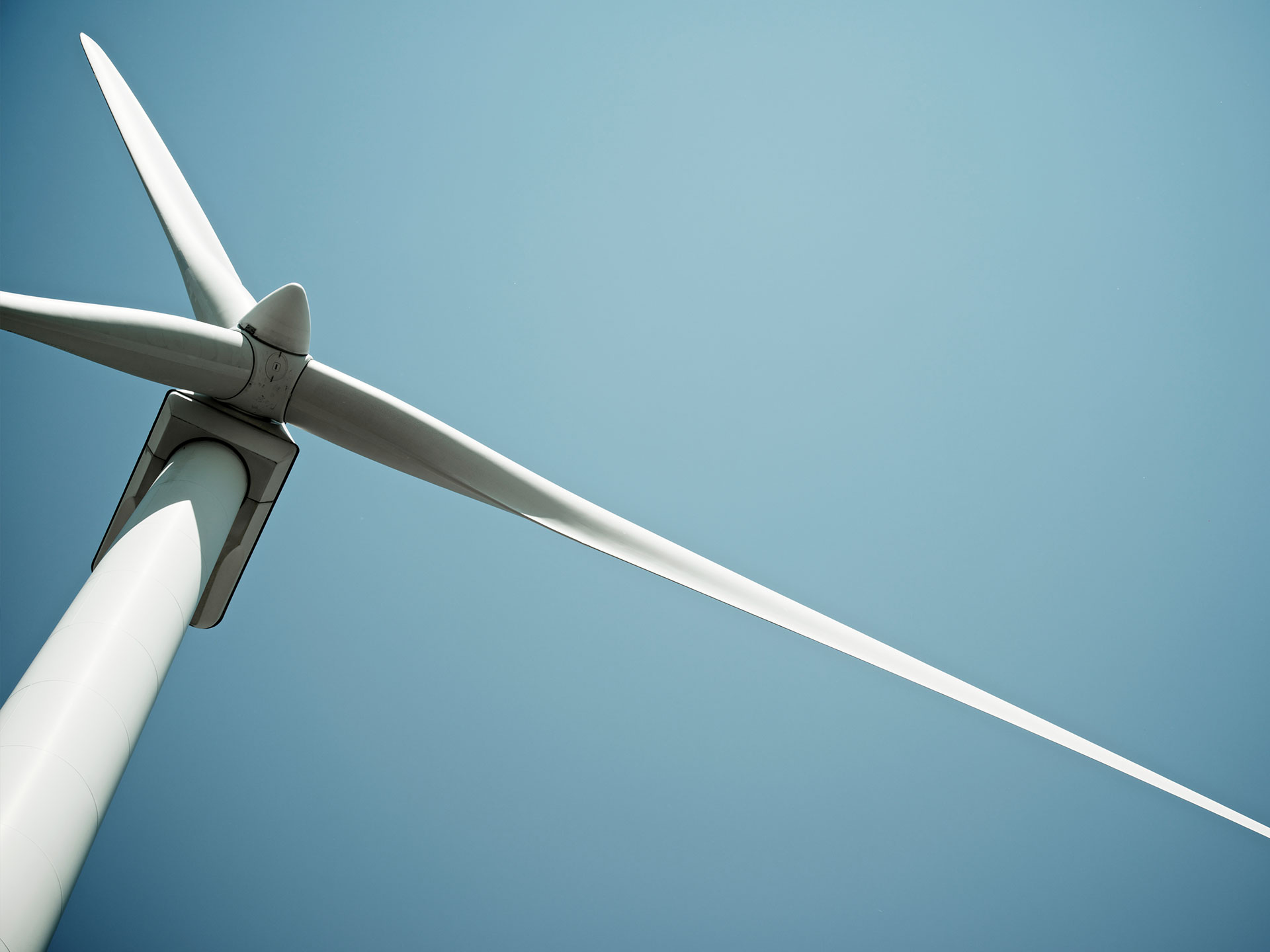
Mt Mercer Wind Farm is located over a 2,600 hectare site south of Ballarat, Victoria. 64 wind turbines, each rated at 2.05MW, give a total wind farm capacity of 131.2MW. What that equates to is enough electricity to power the city of Ballarat or 80,000 homes. It also means that Victoria will eliminate almost 500,000 tonnes per year of carbon emissions from fossil fuel generators, which is good for the government and our conscience too.
We've got experienced power engineers on both sides of the Tasman, and helped to build New Zealand's largest wind farm, so we were ideally placed to provide engineering support on this exciting project. Power generation systems are complex, so our expertise in this sector was valuable in offering independent advice and solving the long list of technical and compliance challenges such a project entails, and in getting the wind farm connected to the Victorian transmission system.
Now a fixture on the Victorian skyline, Mt Mercer Wind Farm is proof that wind really can help to save our world.
Other Big Wind Energy Projects in Australia
Significant wind projects are in operation or development across Australia, supporting the Australian government’s target to have 82% of energy production come from renewable sources by 2030.
Golden Plains Wind Farm (Victoria)
Australia's largest wind farm and the largest in the Southern Hemisphere. It began construction in 2023 and, once fully operational, its 1,330MW capacity will be enough to power more than 765,000 homes.
MacIntyre Wind Farm (Queensland)
The largest wind farm in QLD, with a capacity of 923MW and capacity to meet the electricity needs of approximately 700,000 homes. It’s projected to prevent 3 million tonnes of carbon emissions annually.
Rye Park Wind Farm (New South Wales)
Rye Park is so far the largest wind farm in NSW. The facility is able to provide clean energy to more than 215,000 homes, thanks to its 66 turbines providing a power generation capacity of 396MW.
Stockyard Hill Wind Farm (Victoria)
One of Victoria's largest renewable energy projects, located approximately 150km west of Melbourne. Its capacity of 530MW spread across 149 turbines can power approximately 425,000 homes.
Lincoln Gap Wind Farm (South Australia)
A major wind facility commissioned in 2022, featuring a capacity of 212MW across 59 turbines. Once fully completed, it’s expected to offset more than 1 million tonnes of carbon emissions each year.
Coopers Gap Wind Farm (Queensland)
Queensland's second-largest wind farm with an impressive 453MW capacity distributed across 123 turbines. When operating at full capacity, it can power more than 264,000 homes with clean energy.
Bango Wind Farm (New South Wales)
Located in NSW’s Southern Tablelands, Bango is the third-largest wind farm in NSW. It has a capacity of 244MW and its clean energy output prevents the emission of 543,000 tonnes of carbon annually.
Murra Warra Wind Farm (Victoria)
A substantial contributor to Victoria's renewable energy targets, with a capacity of 226MW. The facility features 61 turbines, which meet the power needs of approximately 170,000 homes.
Keeping Turbines Turning
Like any large-scale energy infrastructure, wind farms require regular maintenance to uphold safety and efficiency standards. But unlike traditional power plants, their upkeep is relatively low-impact and highly predictable. Larger wind farms also use remote diagnostics and real-time data to detect issues early and minimise downtime. In many cases, only a small crew is needed to maintain dozens of turbines.
Wind farms remain one of the most cost-effective and reliable energy assets. Turbines are engineered for 20–30 years of operational life, and advancements in predictive maintenance and automation continue to reduce costs over time. High energy yields, low operating expenses, and no fuel costs make wind farms a sustainable and scalable solution for Australia’s energy future.
64
Turbines
2,600
Hectares
80,000
Homes