Vanuatu is responding to climate change by providing a consistent, practical framework for decision-makers across different sectors, to rapidly assess climate risks and identify appropriate investments for enhanced community resilience.
Responding to urgency: Vanuatu's Rapid Climate Risk Assessment Framework
Renowned for its stunning tropical beaches, lush landscapes and rich culture, Vanuatu is one of the most popular holiday destinations in the South Pacific. However, like many of its regional neighbours, the 80 islands that form the nation of Vanuatu are subject to multiple climate hazards that have historically caused devastating damage.
Its position on the Pacific Ring of Fire means Vanuatu experiences everything from tropical cyclones to intense rainfall, earthquakes, volcanic eruptions and tsunamis.
Many of these hazards are exacerbated by climate change, which poses additional risks, some of which are causing slow onset impacts such as sea level rise, and warming oceans, and other hazards that are acutely experienced such as extreme rainfall events. Tropical cyclones have been particularly severe this past decade, resulting in significant damage to infrastructure and livelihoods.
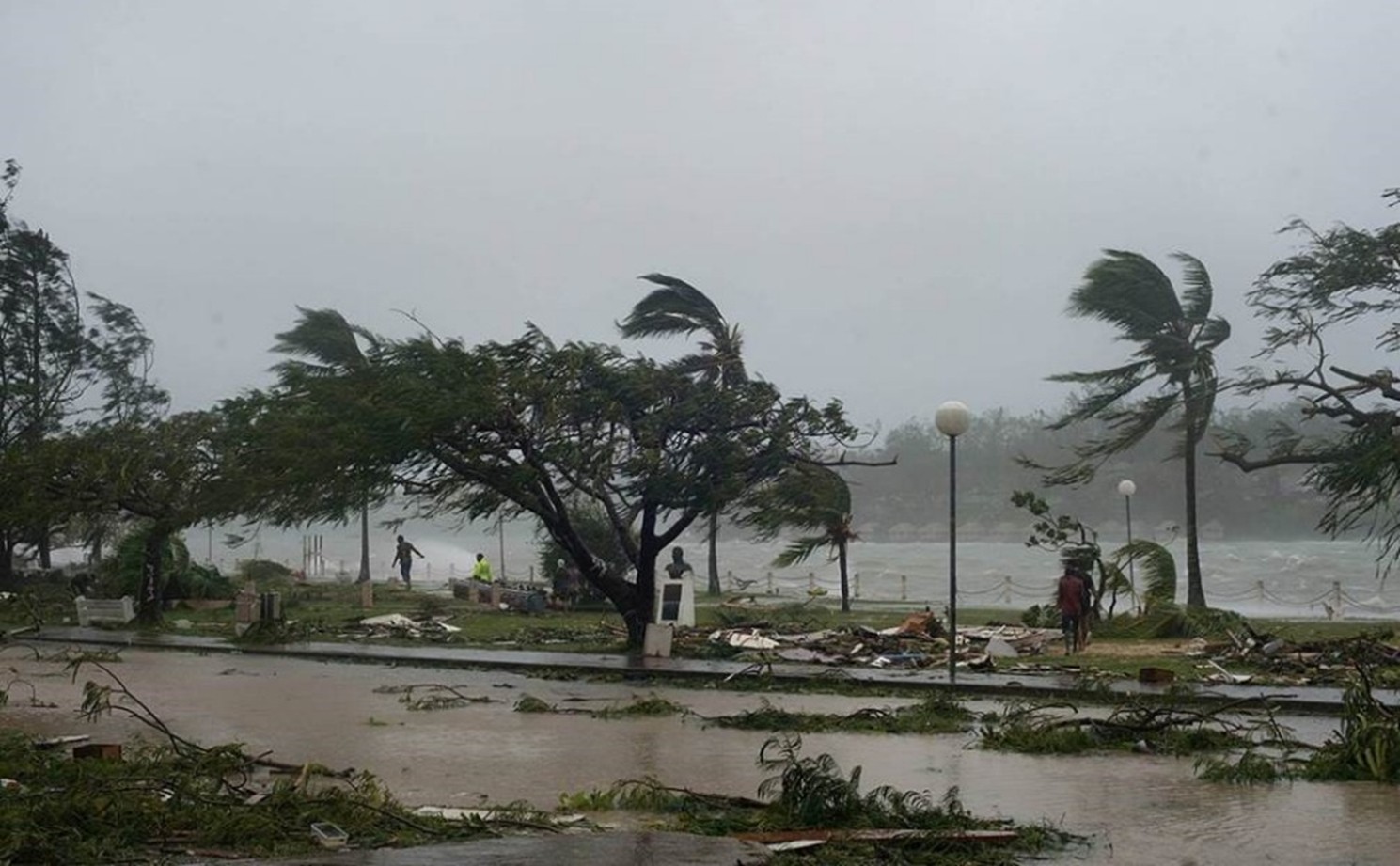
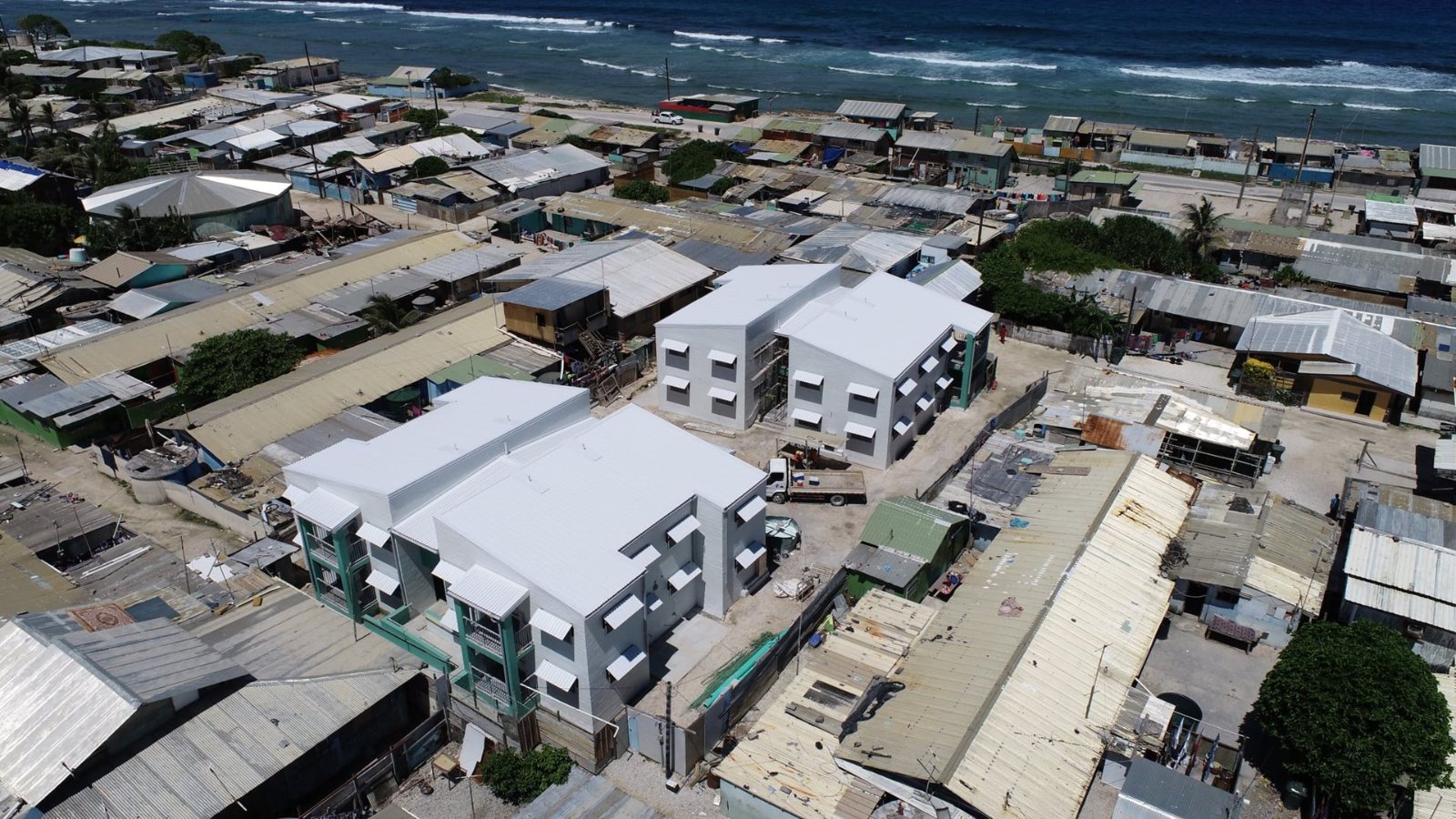
Vanuatu tropical cyclone aftermath, Pango Road, Port Vila
A practical framework for real-world risk
With these challenges front of mind, the need for rapid, accessible and practical tools to support Vanuatu’s adaptation planning across key sectors was clear.
That’s why Beca was commissioned by the Secretariat of the Pacific Regional Environment (SPREP) in 2023 to prepare a Rapid Climate Risk Assessment Framework (RCRAF) and risk screening tool. This tool is designed to be applied to five selected sectors:
- Agriculture
- Fisheries
- Infrastructure
- Tourism
- Water
The test case used for training purposes and refinement of the risk screening tool was the nation’s vital tourism sector.
The goal was to enable non-experts in each sector to assess which essential elements for their sector (including infrastructure, operations and the natural environment) are most at risk from climate change consistently and effectively, using a high-level, Microsoft Excel-based tool and associated methodology. The RCRAF also guides users to consider, based on the rapid climate risk assessment, areas where adaptation measures are most needed to manage risks, guiding future investment activity. By using the same consistent methodology, sectors in Vanuatu are able to align their specific adaptation planning needs, share risk information and collaborate for more effective and holistic resilience planning.
The framework leverages scientific climate hazard products and tools that have been produced under the Van-KIRAP (Climate Information Services for Resilient Development Planning in Vanuatu) project. The key climate hazards captured in the RCRAF include:
- Coastal inundation
- Drought
- Extreme rainfall
- Tropical cyclones
- Ocean acidification
- Marine heatwaves
- Extreme temperatures
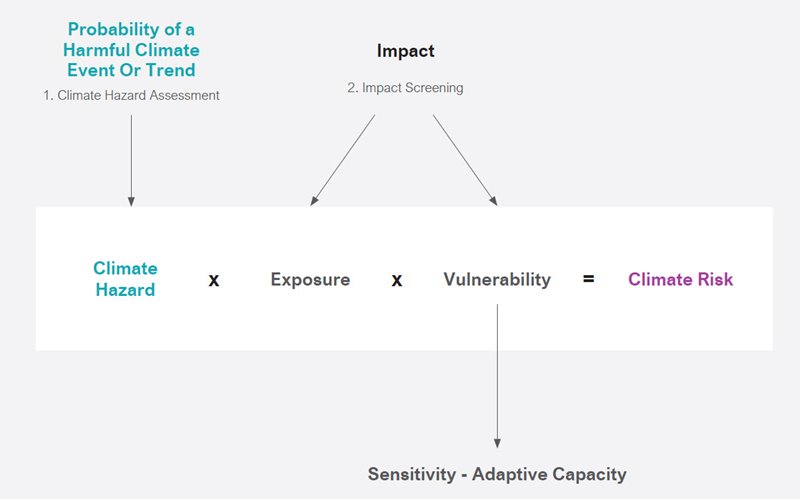
Risk within the C40 RCRAF assessment framework methodology
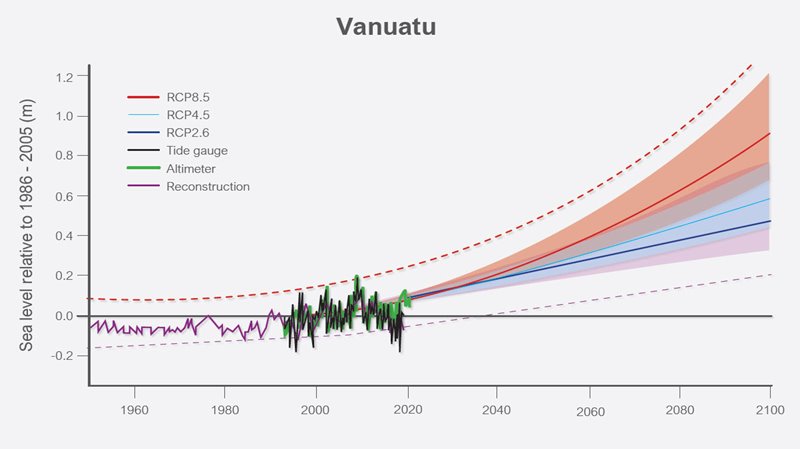
Observed and projected relative sea-level change for Vanuatu (VanKIRAP, 2023)
Partnership in action: Building the tool with stakeholders
Harnessing specific knowledge of the sectors was key to making the RCRAF robust and useable.
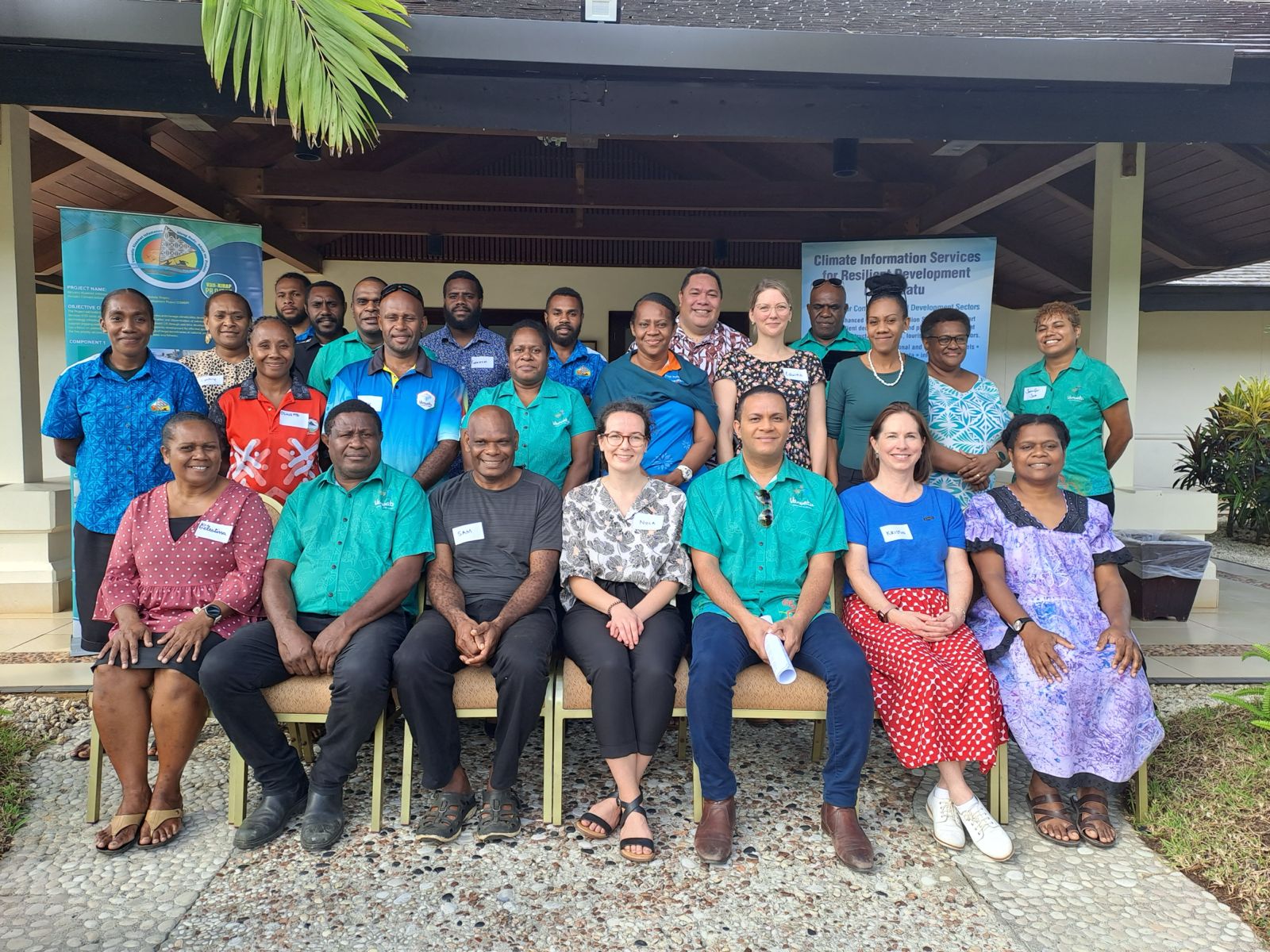
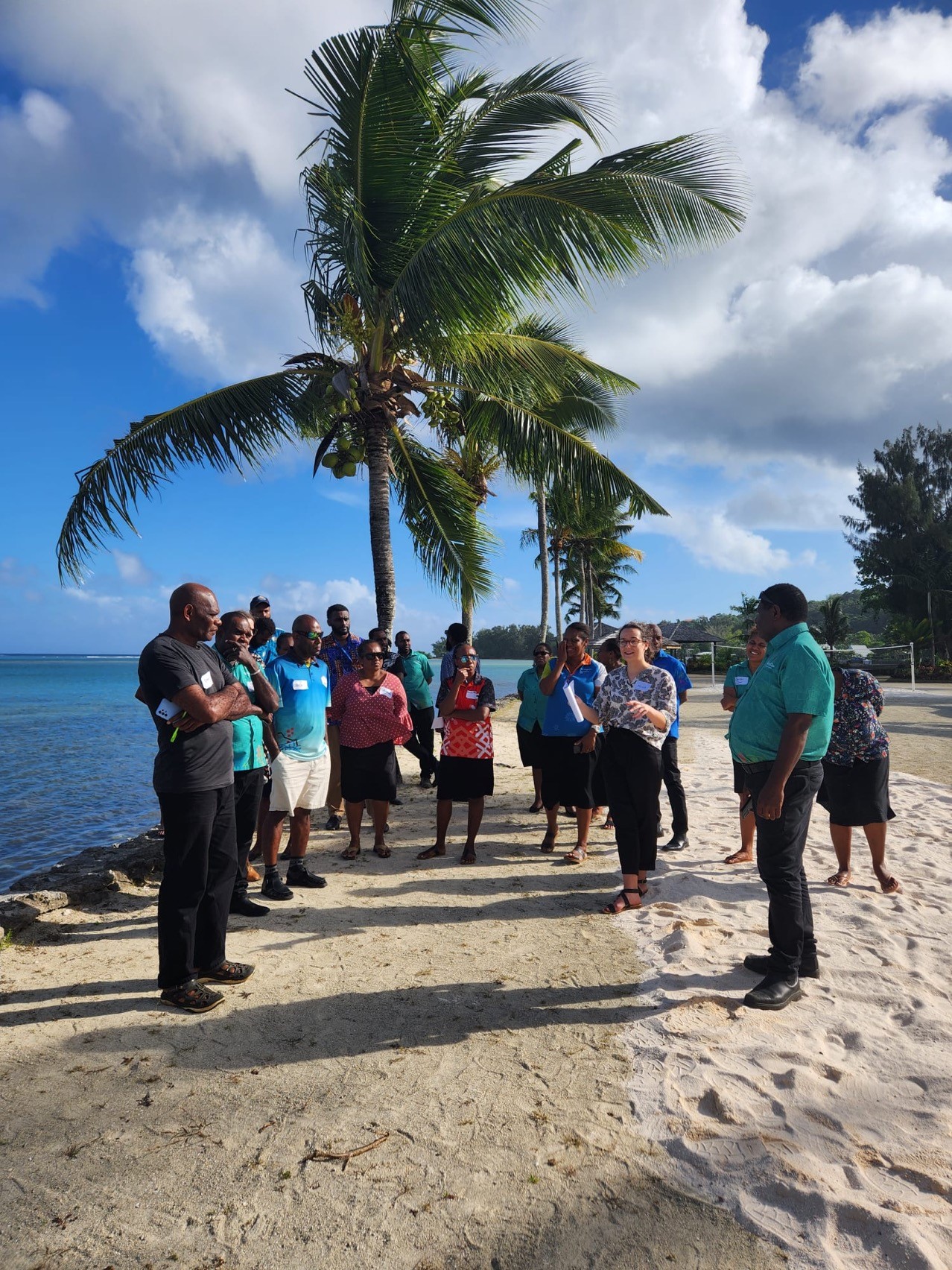
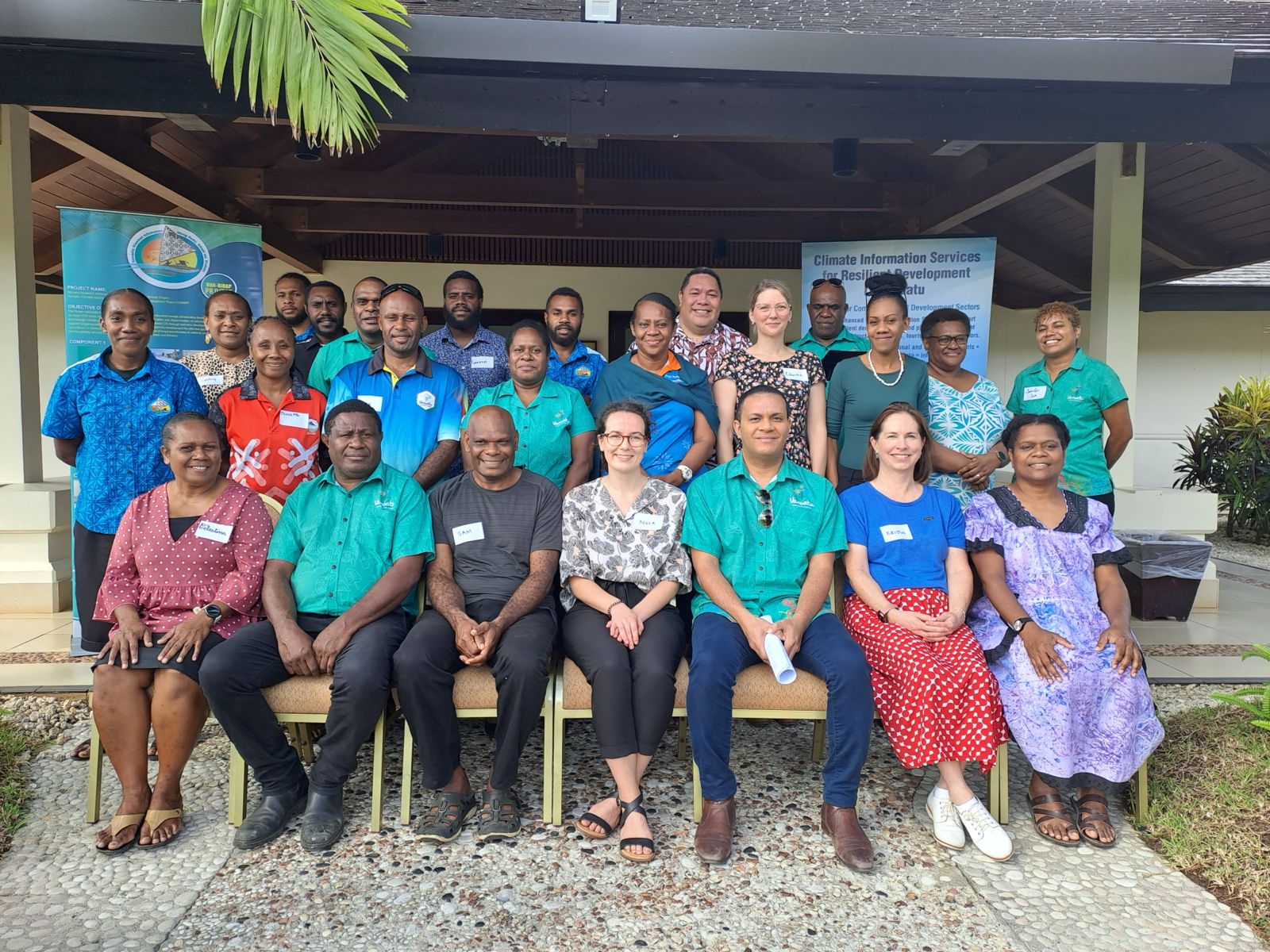
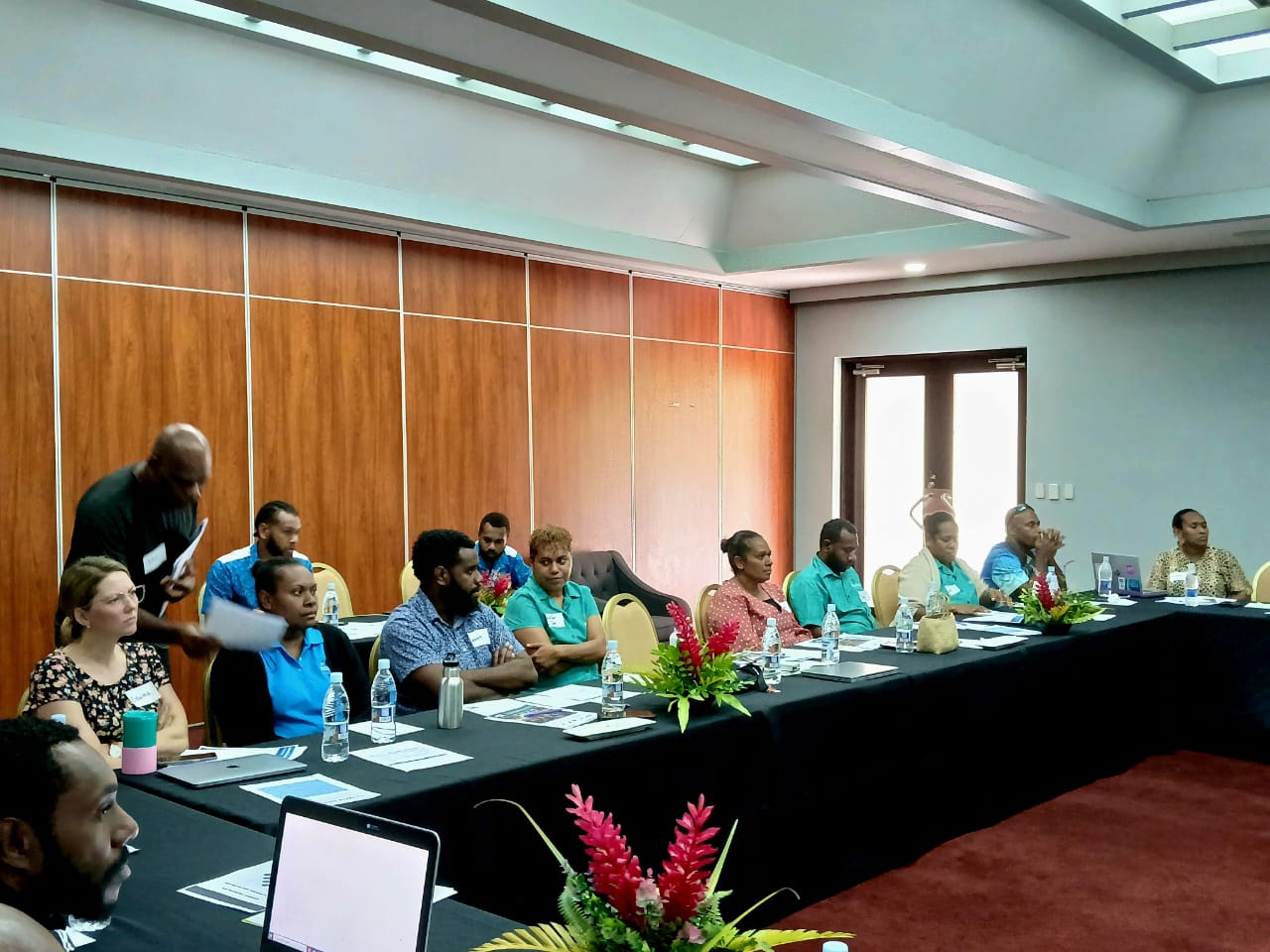
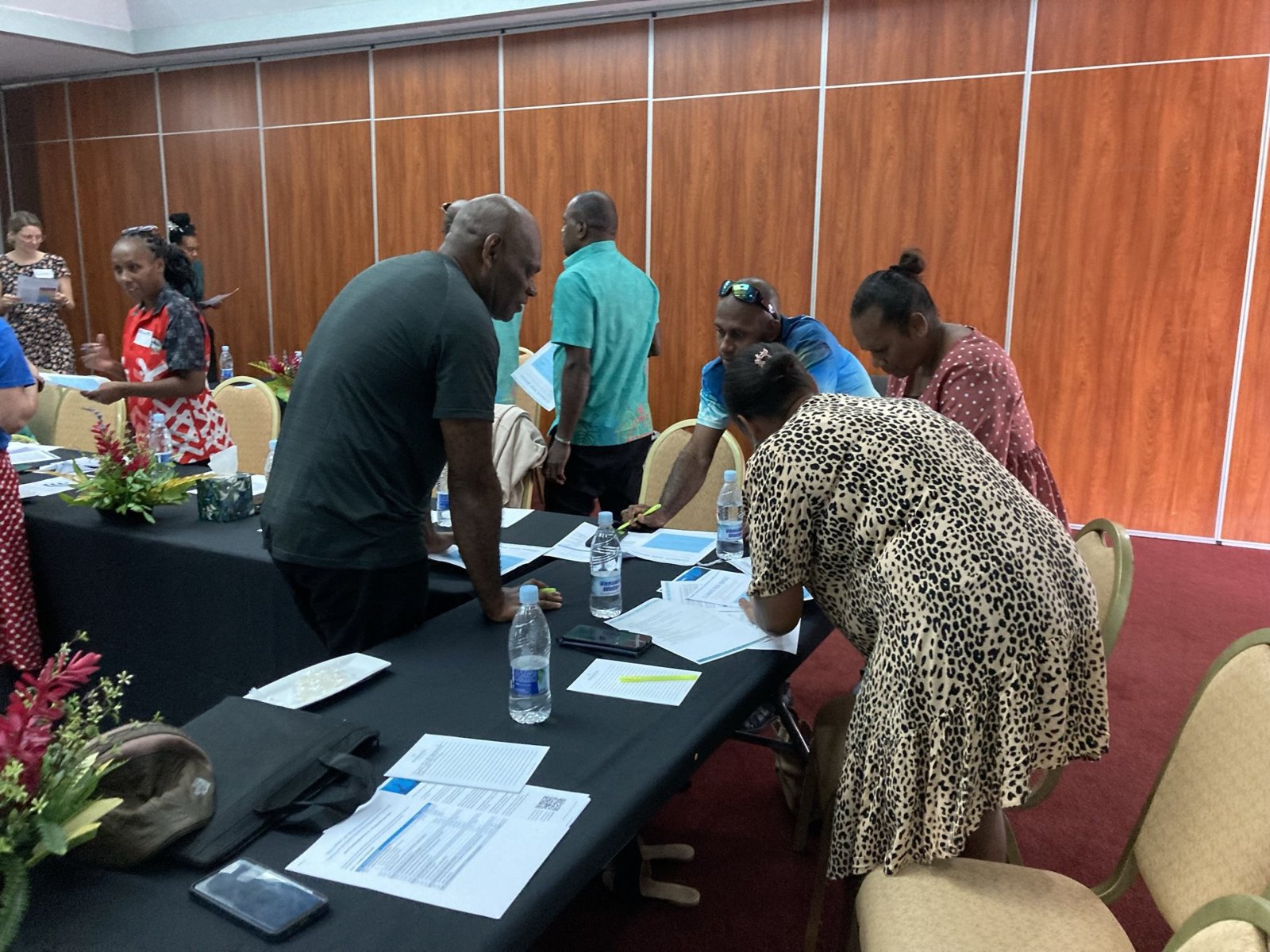
Therefore, in developing the RCRAF, Beca and SPREP placed strong emphasis on case study testing with the framework’s end-users, complemented by targeted training and capacity building. Extensive virtual and in-person workshops were held, engaging over 20 tourism sector stakeholders from across Vanuatu to establish a robust foundation for the RCRAF. These sessions involved trialling the risk assessment tool through a tourism sector case study - testing whether the methodology’s processes were workable for end-users, identifying key knowledge gaps, and ensuring practical application and understanding.
These workshops were followed by an online survey which guided development of the RCRAF by providing insights into stakeholder needs and what role they can play within the framework development. Key questions we asked included:
- What is your organisation?
- Where do you operate within Vanuatu?
- What climate issues are you already seeing in your sector?
- How is climate change already affecting your organisation?
- What would help you to consider climate risks in your future planning?
- What role does your organisation play in identifying climate change risks in Vanuatu?
- Who do you think the end users of this framework will be?
Tourism sector case study: from risk to resilience
To demonstrate the practical application of the RCRAF, Vanuatu’s vital tourism sector was selected for a pilot case study. This is due to its vulnerability to climate-related hazards such as tropical cyclones, coastal inundation, marine heatwaves, ocean acidification, and the importance of the sector to Vanuatu’s economy.
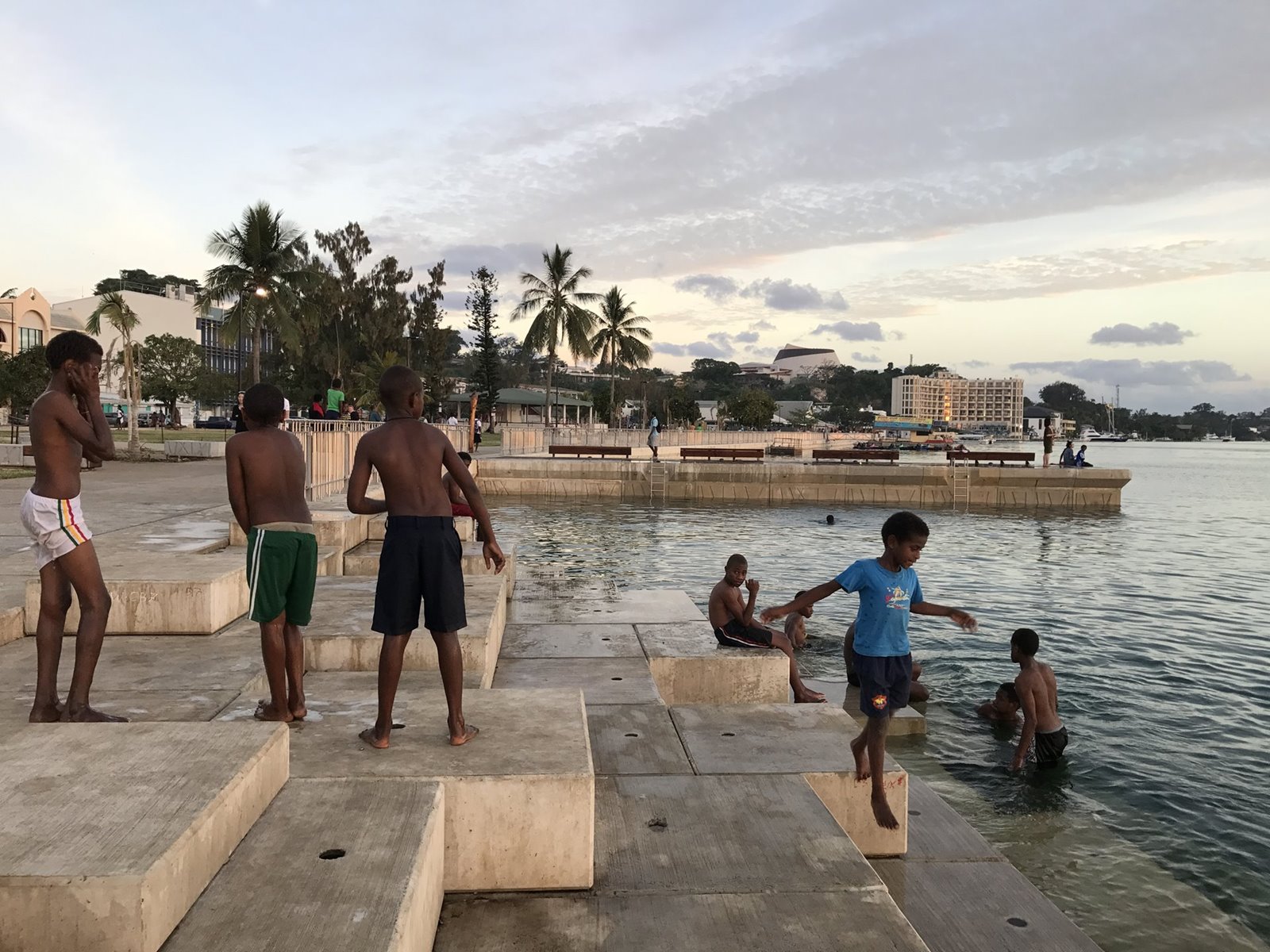
The case study focused on tourism operations in Port Vila and surrounding areas, where Beca worked closely with local stakeholders to apply the RCRAF. The Excel-based tool guided users through a structured process to assess exposure and vulnerability across a range of tourism-related assets and activities, using a specific case study related to the dive industry. Worked examples and exercises were run with tourism stakeholders to get them thinking about what specifically in the dive industry could be impacted by climate change hazards and variables (exposure) - such as dive shops, marine infrastructure, accommodation and transport services.
Exercises then explored a range of questions that helped tool users determine the relative vulnerabilities of that exposure to get an indication of overall risk.
Key risks identified included:
- Coastal inundation threatening dive shops and waterfront infrastructure.
- Marine heatwaves and ocean acidification impacting coral reefs and marine biodiversity, with flow-on effects for dive tourism.
- Extreme rainfall and cyclones disrupting transport, utilities and visitor safety associated with dive tourism activities.
The tool enabled users to prioritise risks based on present-day, 2050 and 2100 scenarios under a high-emissions pathway (RCP8.5) to allow for the identification of all potential risks. It also supported identification of appropriate adaptation actions for particular risks using the PARA framework:
- Protect i.e. constructing sea walls near vulnerable assets.
- Accommodate i.e. installing shade sails on boats and upgrading rainwater harvesting systems.
- Retreat/Avoid i.e. shifting dive operations to less exposed reef sites during high-risk seasons.
A financial projection mechanism was also developed to support cost-benefit analysis of adaptation investments in the tourism sector and to roadmap potential costs associated with adaptation measures over time. The case study was complemented by in-person training sessions and stakeholder consultations, ensuring local operators and government representatives could confidently use the tool and interpret its outputs. This hands-on engagement helped build capacity and laid the groundwork for broader application of the framework across other sectors.
Ultimately, the tourism case study demonstrated how a rapid, high-level assessment can empower decision-makers to act on climate risks - turning adaptation theory into practical, locally grounded resilience planning.
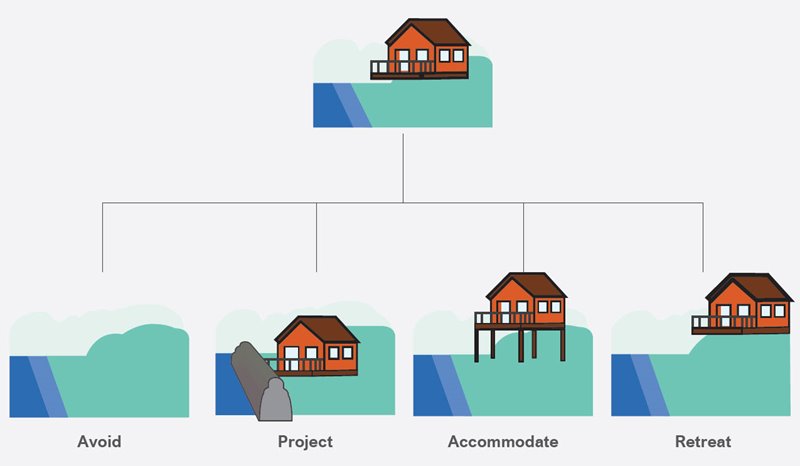
Adaptation options for responding to rising sea-levels - Avoid, Protect, Accommodate, Retreat
Scaling impact: Adaptation theory made real
The Vanuatu RCRAF’s ease of use and consistency is already enhancing cross-sector collaboration; and equipping staff across the various sectors with an easy way to quickly identify key risks.
More info about Beca’s Pacific Development capabilities can be viewed here.
5
Key Vanuatu government sectors
2
Full days of tailored training
20
Cross-government stakeholders
Our team says…
In-person stakeholder engagement in Vanuatu was pivotal to truly understanding the needs and aspirations for the climate risk assessment training and to produce a tool that better met the end user requirements.
Kristin Renoux
Senior Associate Sustainability & Climate (Project Manager)
Our client says…
This partnership has been positive and SPREP is really grateful to the Beca team for their support. The tool is a game changer for Vanuatu, and is receiving really positive feedback from SPREP for potential use of it in other projects.
Sunny Seuseu
Project Manager, VanKIRAP SPREP
What We've Done
Our People