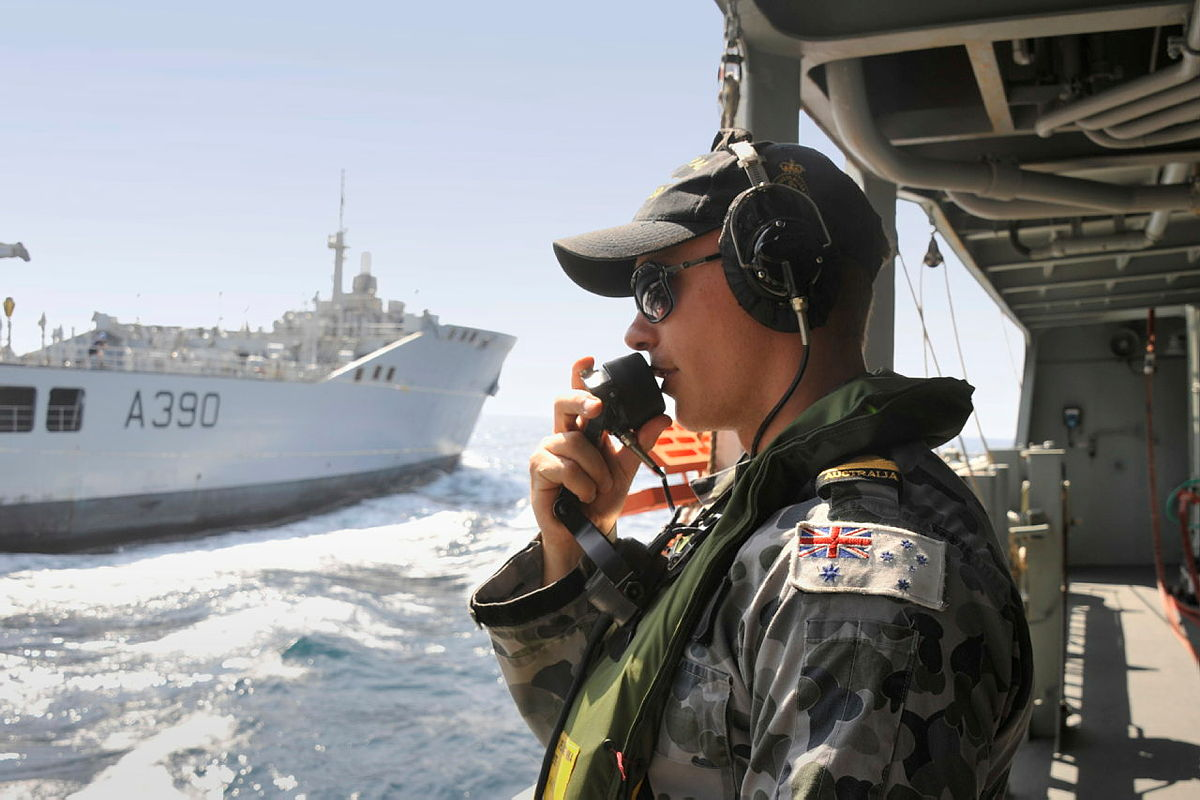
A Naval Engineer with 20 years’ experience, Erik Alston has successfully translated his Royal Australian Navy (RAN) service into a rewarding engineering career at Beca.
Using his RAN experience, Erik today applies his technical knowledge to design, maintain and manage the engineering systems that keep Australia’s naval vessels in good operating condition. It’s one way he continues contributing to Australia’s defence capability as a civilian.
"Give it a go! There’s lots of opportunities to apply those lessons learnt from the military to make a difference to the teams and projects you’re working on."
Service snapshot
- Years of service: 2006-2015 (Royal Australian Navy)
- Specialisation: Marine Engineer Officer
- Where you served: Australia, Middle East, Southeast Asia
What does ANZAC Day mean to you?
ANZAC Day is a time to reflect on all the sacrifices made by those who’ve defended our country and way of life, and those who continue to provide safety and security in our region.
What’s one thing you’d like others to know about military veterans/reservists?
We’re just everyday Australians who’ve had some specialised training and have a collection of experiences in the military that shape who we are today.
What were you looking for in an employer when you transitioned to civilian life?
Everything you do in the military is very focused. Even in the engineering-related roles, you’re focused on a niche area. When I transitioned out of the RAN, I was looking to broaden my experience. One thing that attracted me to Beca was the breadth of the engineering services we offer and the markets we service.
What was one of the biggest adjustments you faced moving from military service to civilian life?
The military is a very hierarchical organisation – you have a direct chain of command (someone responsible for you), and you might have your own direct reports. Moving into a civilian organisation like Beca, the structure is very flat – meaning you get to interact with a broad range of people from different backgrounds, and leadership is very accessible.
Working in Beca’s Sydney office, my desk was next to our Australian Managing Director, and I would often chat with our then Group CEO (Greg Lowe) when he visited town. That proximity to senior leaders would be quite a rare experience in the military.
In the military, you tend to stay within your chain of command, whereas in a civilian role, you’re expected to have interactions across the entire business.
What transferable skills have you harnessed in your civilian career?
Coming from a regimented environment like the military, you’ve got to be very organised to make the most of your time – so time management skills are very transferable. Other useful skills include dealing with stressful situations, managing people and teams, and generally looking after people.
What advice would you give to other veterans/reservists considering a career in professional services?
Give it a go! There’s lots of opportunities to apply those lessons learnt from the military to make a difference to the teams and projects you’re working on. There’s also opportunity to continue developing professionally in an organisation like Beca.
What’s the proudest thing you’ve done in your civilian life?
You leave the military but you’re always connected through your background… I’m proud of being able to continue contributing to Australia’s defence capability through working in a civilian engineering role at Beca.
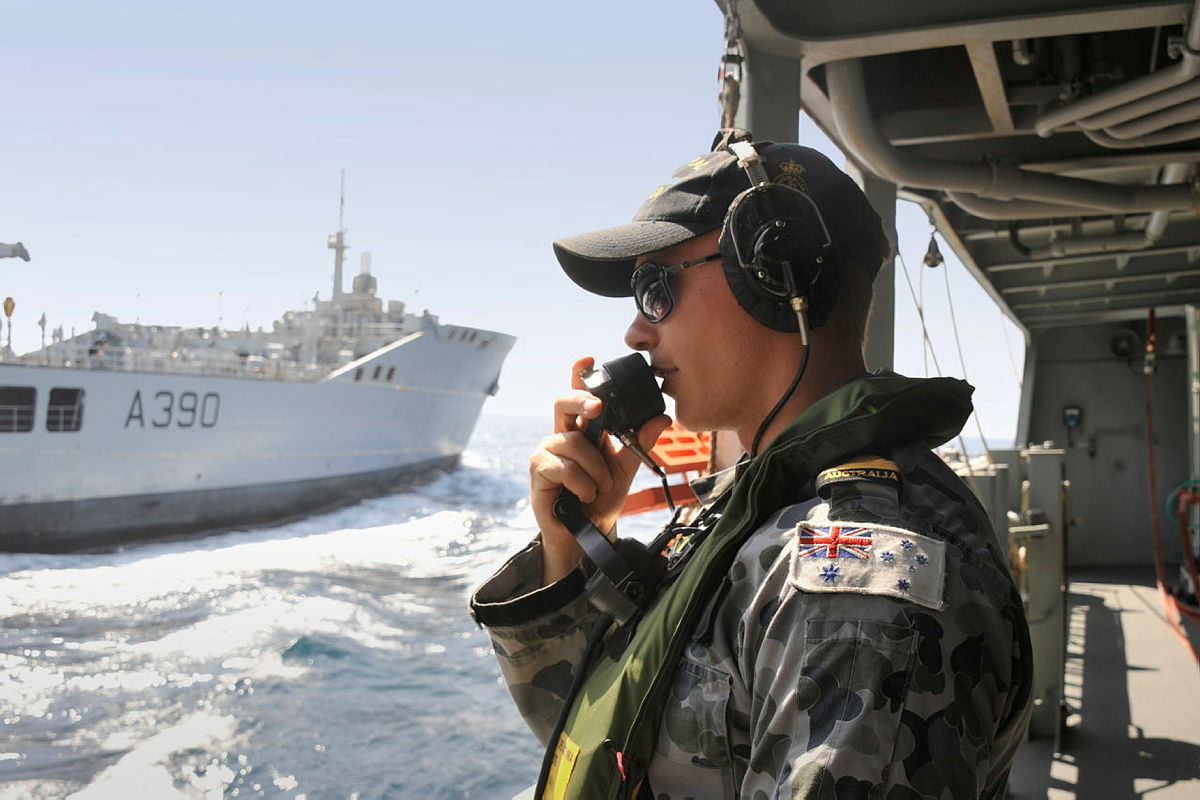 Lieutenant Erik Alston communicates with the Marine Engineering Officer, reporting HMAS Anzac’s fuel levels during a Replenishment At Sea, while in International Waters in the Middle East Area of Operations. Image Credit: Department of Defence, 2012.
View our other Veterans & Reservists stories
Enjoyed Erik's story? Read more of our Beca Veterans and Reservists stories of service via the link below.
Join our Defence team
Ready to be involved, to be heard and belong? As you forge your own career path and contribute to a legacy, your success is shared.