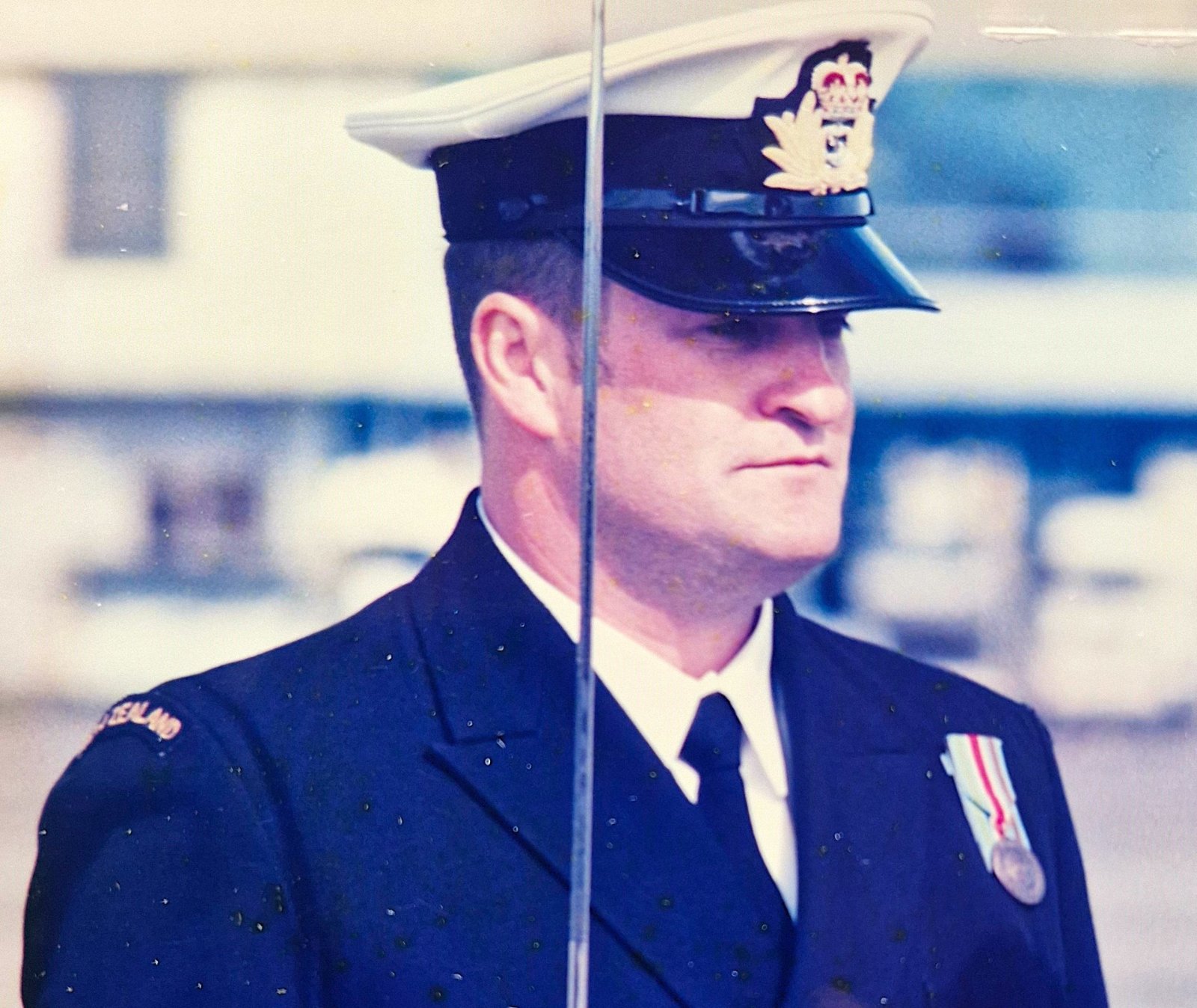
A Royal New Zealand Navy (RNZN) veteran of 22 years, Andrew Ford is today a Senior Principal and Technical Fellow at Beca who leads our New Zealand Defence and National Security market.
Driven by an interest in physics and mathematics at school, Andrew pursued an engineering pathway into the Navy in 1986 – completing a degree in electrical engineering and systems engineering training with the Royal Navy in the UK.
Andrew spent a significant portion of his career at sea as an engineer, serving on frigates, with the balance in training and sustainment roles in New Zealand and overseas. By his mid-20s Andrew was deployed as a UN military observer in Bosnia (1995-96) where he served in multinational peacekeeping teams on the dangerous streets of Sarajevo and Croatia’s Eastern Slavonia region. He was involved in local ceasefire negotiations, patrols and investigating ceasefire violations, including the Sarajevo marketplace bombing which led to NATO joining the conflict in late 1995.
Several years later Andrew served as the Weapons Engineering Officer on the frigate HMNZS Canterbury, which deployed as part of the Australian-led INTERFET peacekeeping taskforce to East Timor (1999-2000), to support the island nation’s transition to independence.
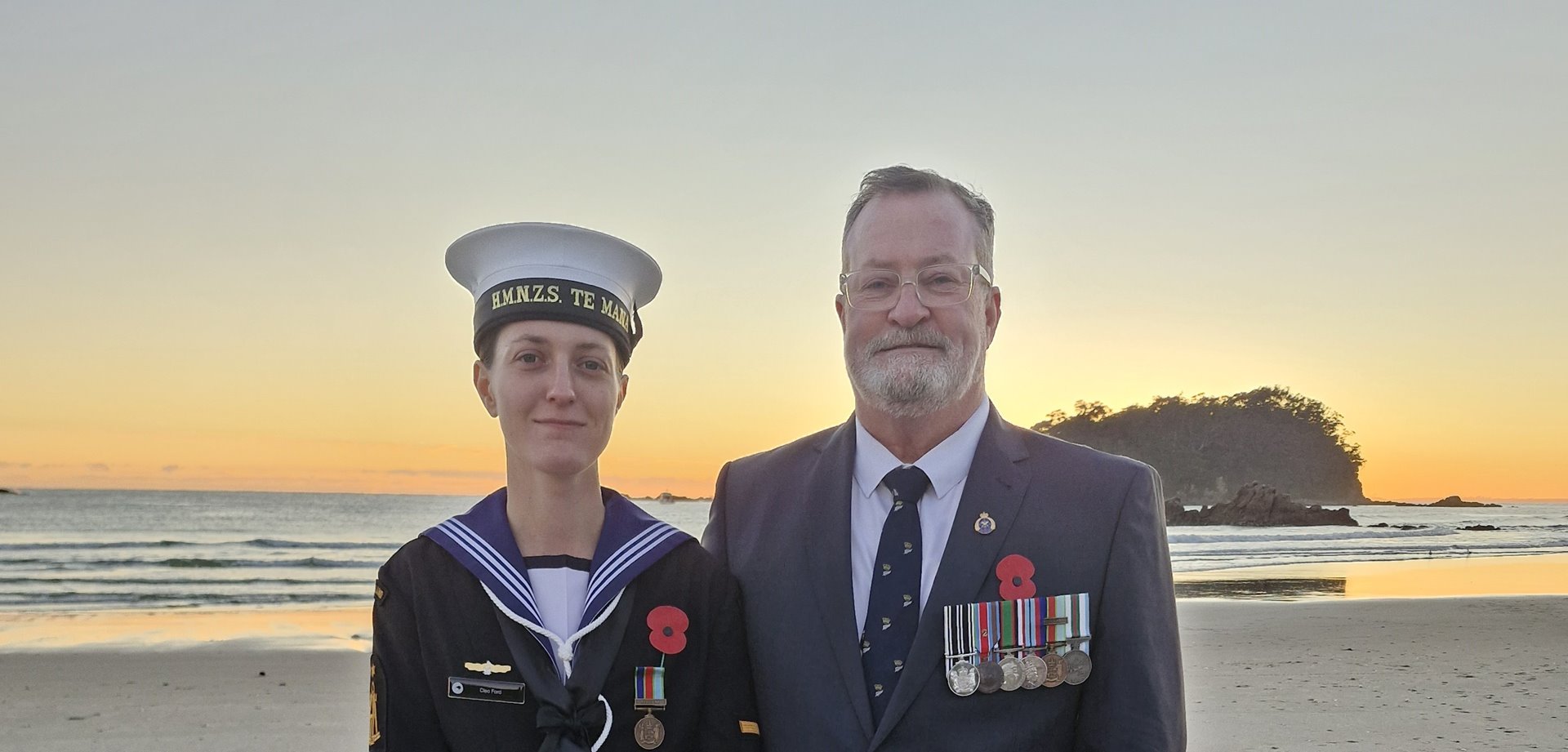
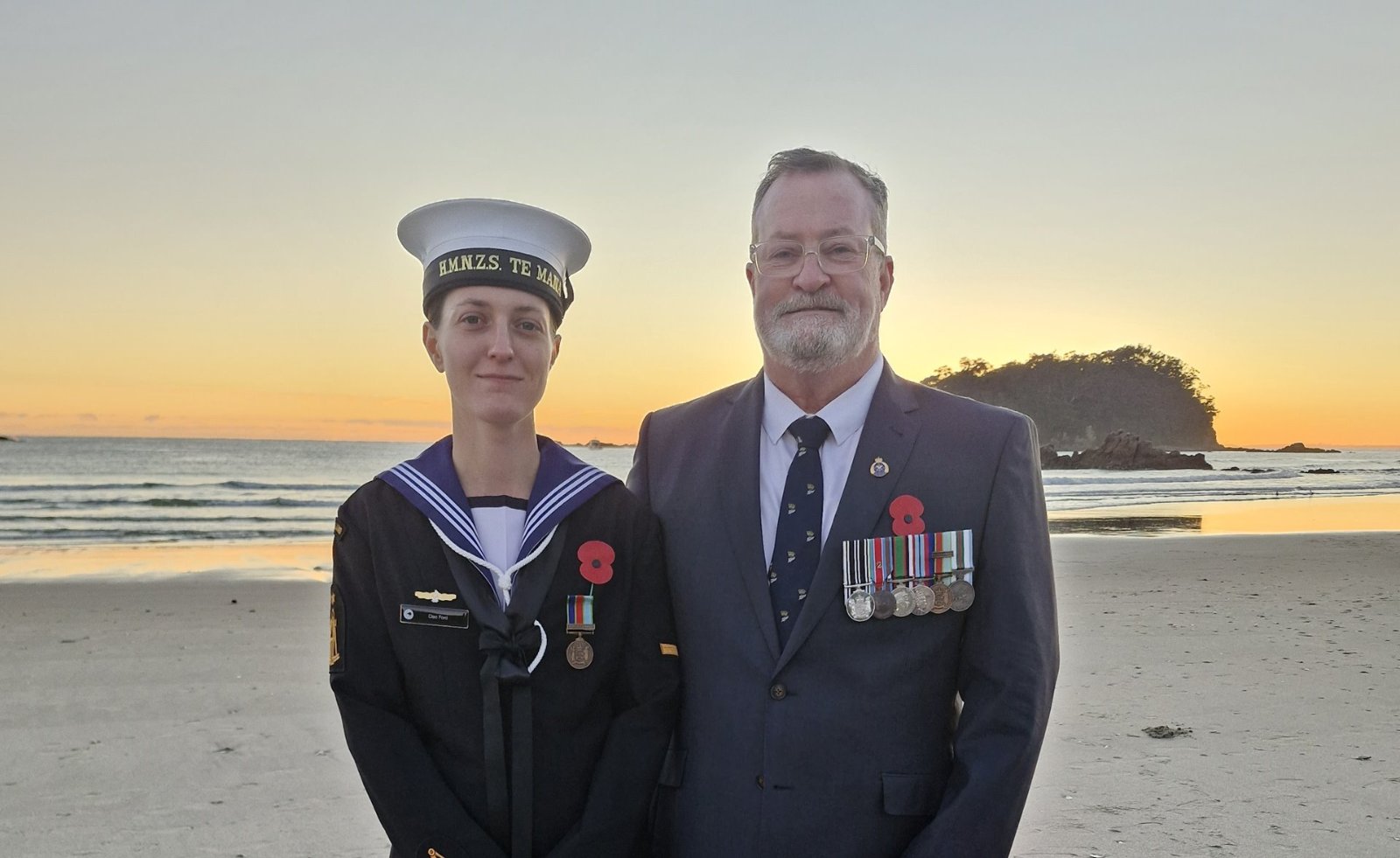
Andrew finished his military career in 2008 at the rank of Commander – and was leading the Weapons Engineering branch as Fleet Weapons Engineering Officer at the time. A tremendous source of pride, Andrew’s youngest daughter has also recently joined the RNZN – continuing a family tradition of Naval service dating back to the 19th century.
His engineering background and the shared values between Beca and the military made for a smooth transition when Andrew decided to seek a new challenge and transition to civilian life with Beca in July 2008. As a veteran-founded business involved in service delivery to Defence clients, Andrew found that Beca offered a supportive and welcoming environment
His biggest advice for veteran’s considering a civilian career in engineering: “Don’t underestimate your own capabilities”.
"Don't underestimate your own capabilities. Most of what you have learned in the military is transferable to leadership and consulting roles. You will bring structured thinking to problem solving, calmness under pressure and a wide range of situational leadership skills to motivate teams."
Service Snapshot
- Years of service: 1986-2008 (Royal New Zealand Navy)
- Most senior role: RNZN Commander – Weapons Engineering
- Where you served: New Zealand and overseas on various ships, Bosnia (1995-96 UN Peacekeeping – Unarmed Military Observer), East Timor (1999-2000)
What does ANZAC Day mean to you?
ANZAC Day is a chance to pause and remember those who’ve served before me. It’s also an opportunity for those who have served to meet with colleagues and share similar experiences. It’s easier to share with people who’ve been through the same thing and experienced the same emotions. I always attend dawn service and will travel to attend with old colleagues. Now that my daughter is serving, it’s great on occasion to attend Dawn Service together.
What’s one thing you’d like others to know about military veterans/reservists?
People need to know that military service is voluntary – the people who choose to serve give up some of their personal freedoms to do so. It takes a personal toll being away from family and friends for extended periods of time.
Veterans are not generally looking for thanks, but they do deserve that people are respectful of their choice, their service and the traditions that they hold close.
What were you looking for in an employer when you transitioned to civilian life?
I’m fortunate to be a trained engineer, therefore transitioning for me was easier than others, as I already had a clear second career pathway.
The military is very values-driven, and it’s like a big whānau (family). Therefore, I was looking for an organisation I could transition to that was similarly values-driven and had a strong sense of belonging.
I had the fortune to work closely with Beca whilst I was serving, and their employee-ownership model was appealing in terms of giving that sense of belonging. Beca’s four values are also quite similar to the NZDF’s (New Zealand Defence Force).
What was one of the biggest adjustments you faced moving from military service to civilian life?
For me, making the move to civilian life coincided with a physical move from Auckland to Tauranga – that physical shift together with the career shift made that overall change easier. When I first joined Beca, I consciously asked not to work on Defence projects straight away, instead working in the Industrial business line to develop commercial experience.
I think we overplay the differences between military veterans and civilians – we both share similar skillsets. Service people tend to be quietly self-confident but humble about their achievements. The biggest transition for me was to become more confident in selling myself and my capabilities.
What transferable skills have you harnessed in your civilian career?
As an RNZN engineer, I held a Bachelor of Engineering and practiced professional engineering within Sustainment, Operations and Design roles – all these skills were transferable into Beca’s Industrial and Applied Technologies consulting roles.
Other major transferable skills include leadership and teamwork – something the Navy ingrains in you from a young age. You’re not taught simply how to “bark orders” but more broadly how to build high-performing teams.
When it comes to being a consultant, the biggest skills I learnt from the military were communication and negotiation skills – this helps translating complex technical engineering concepts into plain language.
Military service also helps you with not “sweating the small stuff” – when you’re used to navigating high-stakes situations, i.e. negotiating ceasefire agreements in Bosnia in your mid-20s, you gain experience in not letting emotions get the better of you.
What advice would you give to other veterans/reservists considering a career in professional services?
- Don’t underestimate your own capabilities – people who’ve spent a long time in the military get trapped thinking their skills aren’t transferable. Military veterans absolutely have skills that are transferable.
- Being calm under pressure – you’re trained to bring structured problem-solving to high-pressure situations. This is an incredibly important skill in professional services.
- Self-promotion - part of the trick in terms of the adjustment is to become more self-confident in selling yourself and your achievements. Part of the role of being in a professional services company is selling people’s skillsets and time. Being humble doesn’t cut it as much in civilian life. You need to be able to talk about yourself in a way that makes a client confident.
- Patience - sometimes you need to take a step back in terms of seniority to establish a civilian career; there’s an amount of proving your value required.
What’s the proudest thing you’ve done in your civilian life?
There’s a couple of things... being appointed a Beca Technical Fellow – this was recognition of excellence by my peers and incredibly humbling, proving that I’d made a successful transition from a military to civilian career.
Standing by my daughter in uniform at an ANZAC Day dawn service. This felt like legacy in action; an incredibly proud moment for me.
Helping establish Beca’s Defence business in Australia. Craig Lee (our former Australian Managing Director) had joined the company at the time and wanted to win sizeable work over there. We won a strategically important scope of work and built the Australian team from there – largely driven by maritime defence consulting.
View our other Veterans & Reservists stories
Enjoyed Andrew's story? Read more of our Beca Veterans and Reservists stories of service via the link below.
Join our Defence team
Ready to be involved, to be heard and belong? As you forge your own career path and contribute to a legacy, your success is shared.