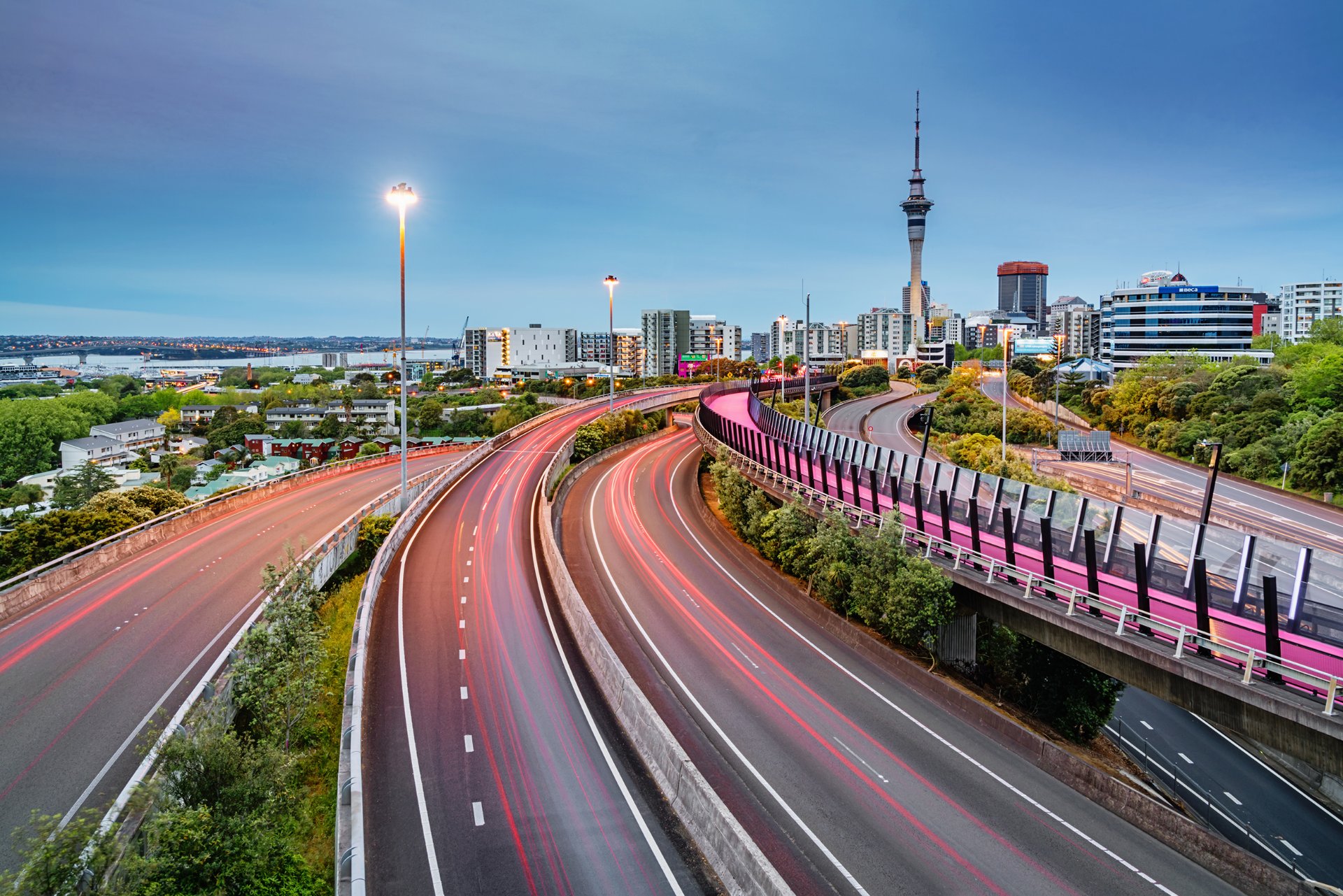
Building better transport, to help us move together, and go further
Beca brings together deep local insight and multidisciplinary expertise to deliver integrated, future focused transport solutions. We take a system wide view of transport networks, helping clients navigate complexity, plan for resilience, and unlock long term value. Working in partnership, we improve connectivity, mobility, and outcomes for communities now and into the future.
Below are abstracts presented at the Transportation Conference 2026. Please feel free to contact us below for more information.

Te Puke got one, so did Cambridge and Temuka. Otaki got one and Levin is getting one. Huntley and Ngāruawāhia got a really big one. Katikati wants one, Blenheim is unsure and Tirau may need one, but it seems unlikely.
Why is there so much inconsistency when it comes to the town bypass? Some towns were bypassed decades ago while similar sized towns still cope with the rumbling of trucks and passing traffic. Is there a secret plan of places that can’t be bypassed so that truck drivers can stop for a pie and a wee?
And is getting a bypass actually a good thing? In some places shifting the state highway away from a town centre has seen towns flourish, with less traffic, safer streets and nicer environments (Te Puke and Cambridge for example). In other places townsfolk decry the good old days when the shops were busier (or just still open), e.g. Temuka.
This think piece presentation aligns with both the Strategy and Planning and Economic and Funding conference streams. It will explore the history of the town bypass and describe the positive and negative outcomes that have been experienced in a range of different towns. Using this data and qualitative evidence we will derive a simple framework for evaluating the need and value of a town bypass in a consistent manner. This will be indicatively applied in an example to test suitability. Further studies or investigation opportunities will be identified.
The presentation will expand industry knowledge and thinking about the oft misunderstood town bypass, and maybe inspire transport planning that helps our towns prosper, with or without a bypass.


Economic benefits and time (saved or lost) play a key role determining the location and type of transport infrastructure we invest in. However, focus on these factors alone can lead to a ‘decoupling’ or ‘distortion’ from the reality of how people move between destinations (land use).
As we all know, designing for people movement is inherently connected to land use – but rarely is the integrated spatial planning work undertaken by councils realised on the ground. Further, our transport system serves a wide array of users all with different needs – however investment choices can appear one dimensional or influenced by political ideology which lacks the nuance to maximise economic potential.
The aptly named ‘Transport Game’ seeks to uncover and shed light on the economics and ‘value’ derived from our transport system from the perspective of different users in different scenarios. In this Learning café session participants will assume the identity of preselected users and play through several real scenarios to test how the transport system impacts their time and economic contribution or prosperity.
The premise of the Transport Game is to provoke and engage discussion/debate on two aspects (focus areas of the presenter):
- how multimodal infrastructure supports economic growth and how different conditions may impact this.
- the relationship between land use and transport typologies, and how this influences transport choice in different situations.
The hypothesis of this work is multimodal systems and land-use integration benefits are undervalued and have a greater influence on economic growth in NZ. The Transport Game forms the genesis of a broader project to better understand this relationship.

Frustrated. Resistant. Distrusting. This is the sentiment we often hear from communities impacted by large-scale infrastructure projects — especially when they feel unheard or overlooked.
By the time these words surface it’s often too late, we didn’t engage early enough. So how early is early enough? And more importantly, how do we sustain meaningful engagement over the life of a project that may span years or even decades?
Over the past five years, our communities have experienced a whirlwind of change. From global disruptions to local transformations, the pace and scale of change have left many feeling unsettled. In this environment, creating space for genuine engagement is both more challenging and more critical than ever. The “squeaky wheel” is louder, and mobilising opposition to projects is easier with tools such as social media when people don’t feel informed or involved.
This Learning Café session will explore the important role of early and ongoing engagement in infrastructure delivery, advocating for a human-centered approach in a highly engineered world. We’ll unpack what real investment in engagement looks like, beyond the buzzwords of “authentic storytelling,” “transparent communications” and “inclusive practices.”
Through a series of real-world examples, we’ll explore what’s worked, what hasn’t, and what we’ve learned along the way. We will invite participants to reflect on their own experiences, share insights, and explore how we can transform infrastructure projects from transactional undertakings into enduring community legacies. This interactive session strongly aligns with the Strategy and Planning conference stream.

Sarah-Lee Crellin
Senior Associate - Communication & Engagement

The increasing frequency of extreme weather events highlights the need for resilient transport networks that can maintain traffic flow during disruptions.
Auckland’s state highway network forms the backbone of both local movement within New Zealand’s largest city and through-movement supporting the upper North Island. It is highly utilised: 80% of traffic occurs on just 50% of the network’s length, while most roads see only 20% of their length carrying such high volumes. Ensuring secure movement on this network is critical for optimising the country’s GDP and personal wellbeing.
Current practice often relies on detouring traffic onto the local road network when the state highway experiences a blockage. However, this is frequently ineffective due to functional mismatches or because local roads are already at capacity. Greater self-reliance within the state highway network is needed, as detours are not always feasible.
This presentation will describe the method and findings of a NZ Transport Agency Waka Kotahi (NZTA) led study focused on obstruction management within Auckland’s State Highway network. The aim of the study was to identify hot spots susceptible to movement obstructions from natural hazards and develop countermeasures to mitigate these risks.
In the presentation we will describe trade-offs made between quality, effort, and data availability. Our approach combined qualitative insights from experts in stormwater, geotechnical engineering, transport planning, network operations and project delivery with quantitative data from various sources. A key challenge—and area of interest—was synthesising these qualitative and quantitative insights into meaningful outcomes that inform effective resilience strategies.
The resulting framework that we will describe in the presentation provides a foundation that can be applied in other cities to support development of a robust programme of works aimed at enhancing resilience. The presentation strongly aligns with the Designing Resilient Futures conference theme.

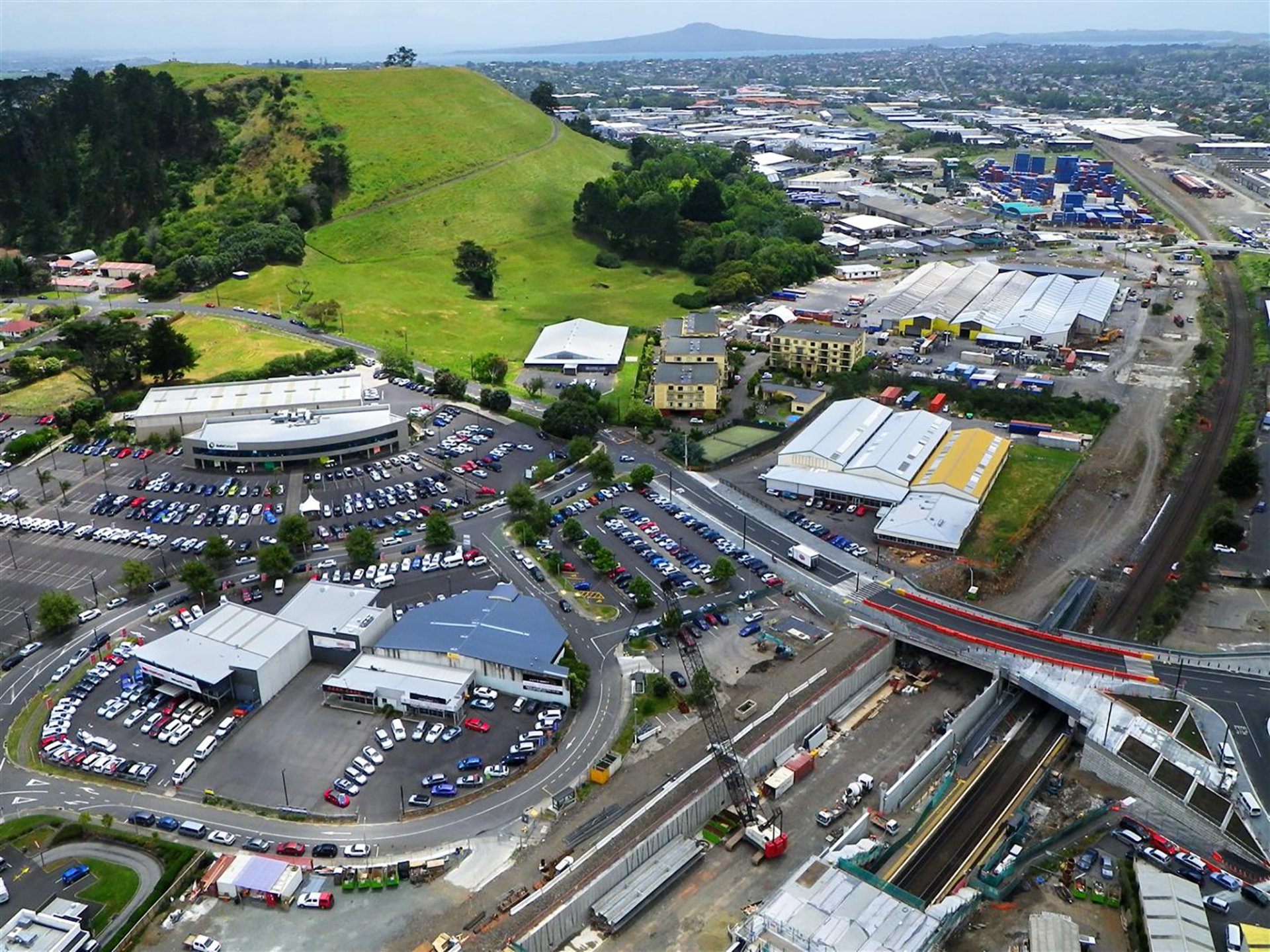
Auckland is the country’s fastest growing region. The city is projected to increase by 720,000 people to reach a population of 2.4 million by 2050.
The Auckland Plan 2050 guides Auckland’s future and sets a strategic direction for how this growth will be accommodated to ensure a quality, compact, urban form. While the majority of this growth will be within existing urban areas, around 30% will extend out into future urban growth areas (greenfields areas) in North, North West and south Auckland.
Historically, delivery of strategic transport infrastructure has followed urban growth, resulting in poor transport outcomes. The Auckland Supporting Growth Programme was established to accommodate a high-quality multimodal transport network that would respond to the future growth demands of Auckland.
Auckland Transport (AT) and the NZ Transport Agency Waka Kotahi (NZTA) have been working together to develop transport networks to support the development of Auckland’s new future urban growth areas over the next 30-plus years. Over the last eight years, the Supporting Growth Alliance has delivered designations for 70 projects across the Auckland Region protecting the ability to implement the right transport infrastructure at the right time to align with growth.
In areas where growth is accelerating, we’re now seeing the benefits of this approach, with Auckland Transport working with developers on integrated land transport solutions. Our presentation will describe how the ‘Landuse Integration Process’ established for the long term designations is delivering short term outcomes that are consistent with future transport needs, including recent implications of fast track applications.
The presentation will provide valuable insight into how the concepts of the Supporting Growth programme could be applied in other areas working on spatial plans and aligns strongly with the Strategy and Planning conference theme. Building a resilient transport network really is ‘Supporting Growth’.

In August 2023, significant cracking was observed across both lanes of State Highway 1 (SH1) near Utiku, central New Zealand, aligning with the scarp of the long-active Utiku Landslide. This large, deep-seated, slow-moving landslide has intermittently disrupted SH1 and the North Island Main Trunk railway since at least the 1960s. Recent movement, triggered by elevated groundwater levels after prolonged heavy rainfall, prompted an urgent remedial response to safeguard this critical transport corridor, including SH1 roading, Kiwirail main-truck line; and critical utilities (Power / Fibre).
A multi-faceted remediation strategy was developed and implemented, (including a TARP) comprising minor road realignment (within the existing corridor) and subgrade improvements, installation of fanned inclined drains to lower groundwater levels, surface water and pavement drainage enhancements, and ongoing instrumentation and monitoring. Additional instrumentation installation, and ongoing monitoring of ground water levels and rainfall Niwa data; and tilt meters for movement monitoring. The immediate effectiveness of the inclined drains—lowering groundwater by up to 9 metres in some locations—demonstrates their potential as a pragmatic landslide management tool.
This paper presents an overview of the geology and history of the Utiku Landslide and details how these informed the remedial design. Emphasis is placed on the engineering geological model underpinning the drain design, construction methodology, performance-based optimisation approach, and comprehensive monitoring regime. The deployment of advanced telemetry instrumentation—including shape arrays, tiltmeters, piezometers and cloud-based data platforms—has provided real-time insights into groundwater drawdown and slope stability.
The results highlight the beneficial impacts of targeted drainage on landslide resilience and inform recommendations for applying similar approaches to other vulnerable sites. Considering climate change projections indicating increased rainfall intensity—and thus heightened landslide risk—the lessons from Utiku offer valuable guidance for highway maintenance strategies in challenging geological settings.

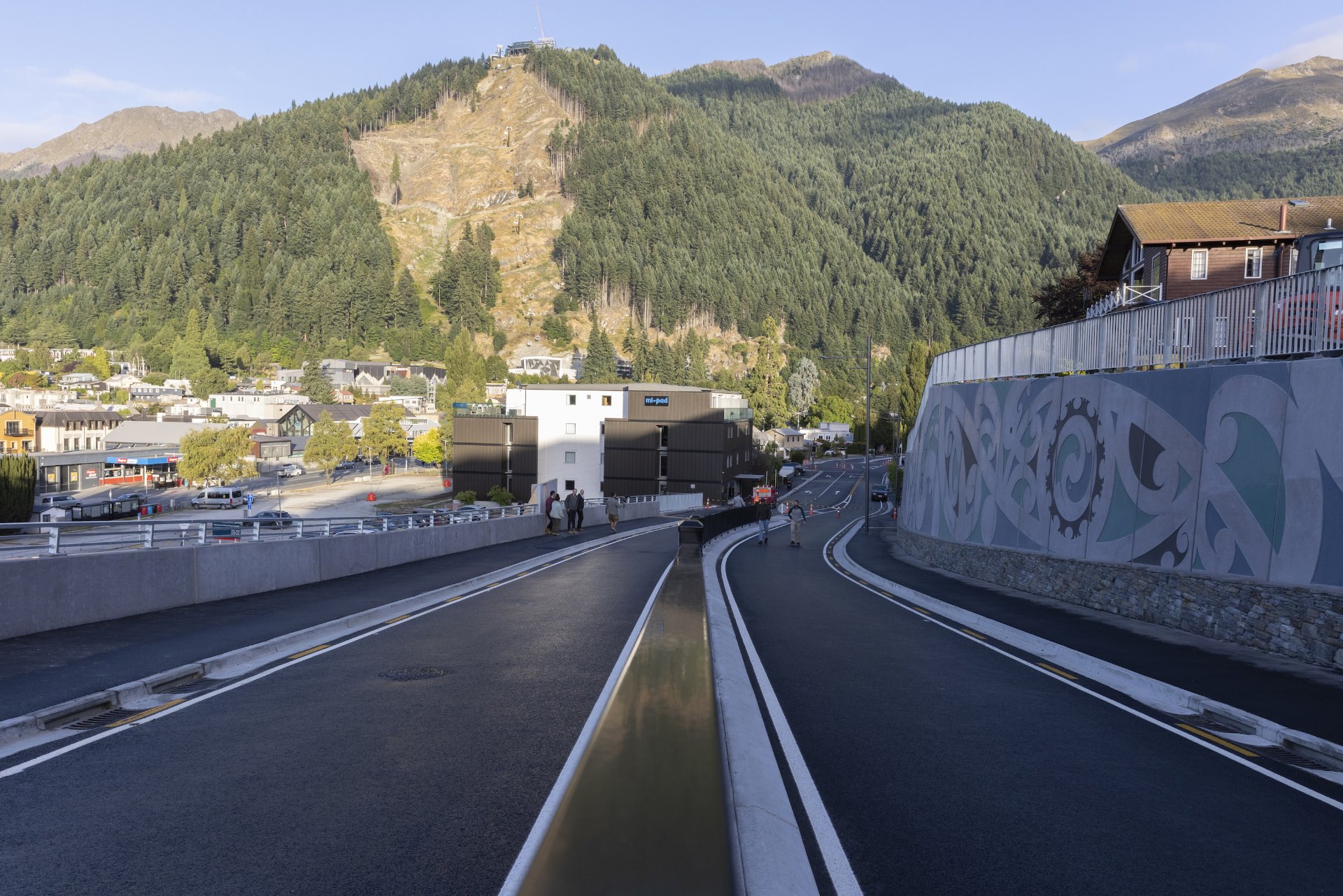
It's a common sight across New Zealand to see Māori culture integrated in Transport infrastructure. From physical objects like Pouwhenua and street-art to more subtlety, servicing water quality management outcomes. These elements acknowledge mana whenua presence and mātauranga. In all cases they are a unique feature in the infrastructure space that sets Aotearoa apart on the world stage.
Analysing the benefits of doing more highlights why this remains an important part of the infrastructure puzzle. I am reminded of a whakataukī from Sir James Henare. “Kua tawhiti kē tō haerenga mai, kia kore e haere tonu. He nui rawa ō mahi kia kore e mahi tonu' – 'We have come too far not to go further. We have done too much not to do more'
Human connectivity to these features reminds us that there is a past, a present and a future.
We have 200 years of lived experience in New Zealand of Western knowledge in Infrastructure Design. A further 800 years of lived experience exists in mātauranga that adds value to and beyond the Pouwhenua and Street art.
Acknowledging the significant challenges we have in our journey to social and economic prosperity, opening the doors to Māori Design principles through indigenous knowledge and baking that in to what we do more than doubles the amount of knowledge we have at our fingertips to aid meeting these challenges.
In my presentation I will explore some of these elements and some examples in projects that highlight the value of what could be termed “Culture in Design”. Such elements as:
- Environmental outcomes
- Community inter-generational wealth creation
- Resilient Infrastructure
- Economics on a local the world stage
- A connected world at a human centric level.
I will also highlight current and emerging trends showing Iwi appetite and readiness as Infrastructure Investors and will leave you with some ideas on what we in industry need to do to prepare for this reality. This strongly aligns with the Strategy and Planning and Designing Resilient Infrastructure conference themes.

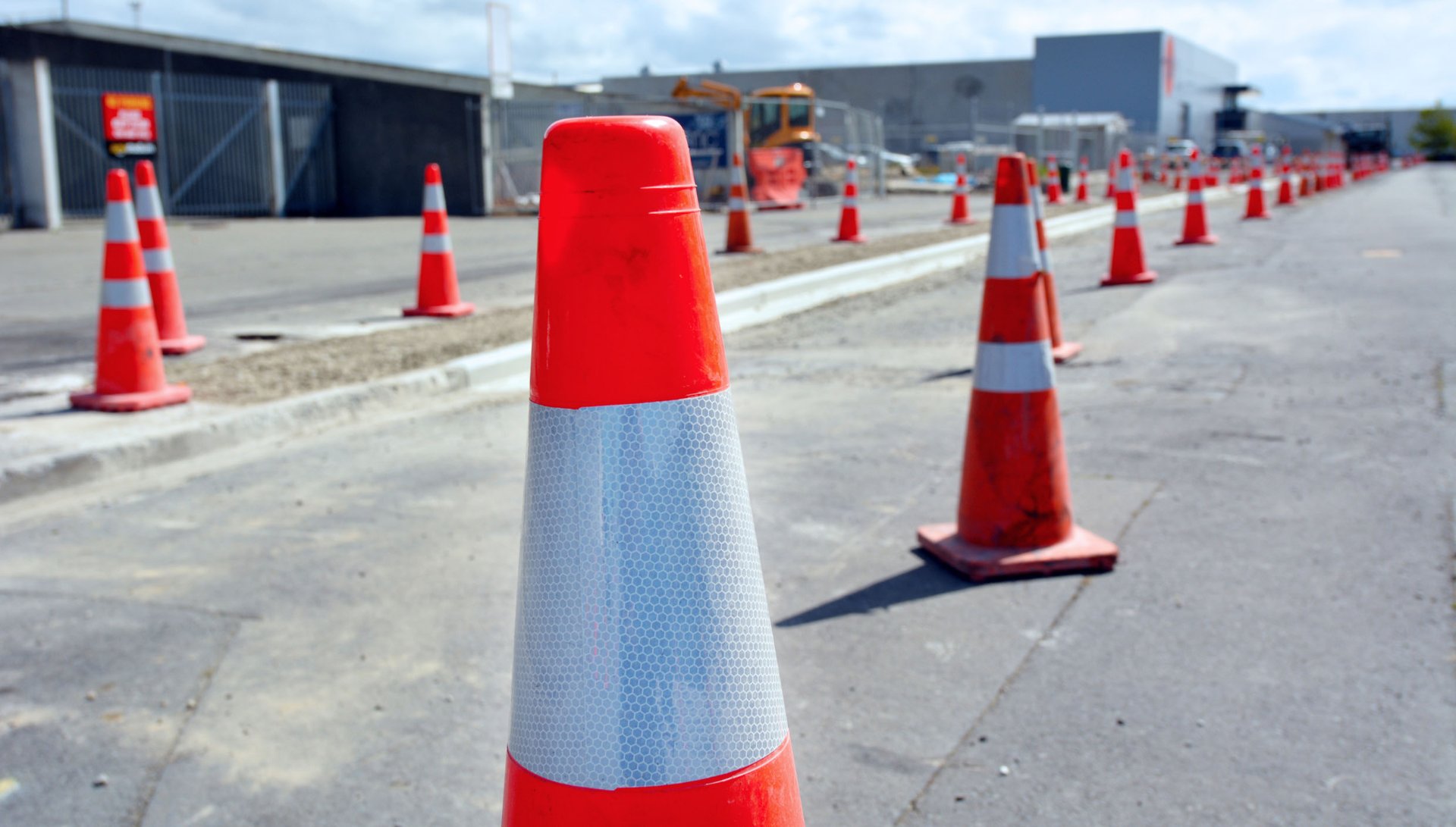
Road cones, road cones, road cones… It’s been hard to avoid the public and political attention centred around a distorted focus on the symptoms rather than the root causes. With increasing severe weather events and an unprecedented infrastructure pipeline, our roads will inevitably see more emergency works—and more road cones. Maintaining resilient networks during these disruptions is essential.
Whilst the move to a risk-based approach under the NZ Guide for Temporary Traffic Management (TTM) was centred around enabling improved health and safety outcomes for both road workers and road users, it presents the opportunity to see more effective and efficient TTM that is right sized for the job. Enabling these outcomes for the TTM sector is often misinterpreted as a job for contractors and TTM suppliers but in reality this is a call to arms for a significant set of dormant skills that are readily available from client organisations and professional services to help bring this to life.
This presentation shares insights from risk-based TTM case studies that have enhanced network resilience when these important but disruptive works are needed. We will explore examples of what risk-based planning for TTM activities looks like and where key skills from client organisations and professional services has remained largely untapped.
Ultimately, this is a once-in-a-generation transformation for the TTM sector—realising its full potential depends on harnessing skills across all contributors. By identifying what has been missing so far, we can activate dormant capabilities to help shape safer, more resilient transport networks.

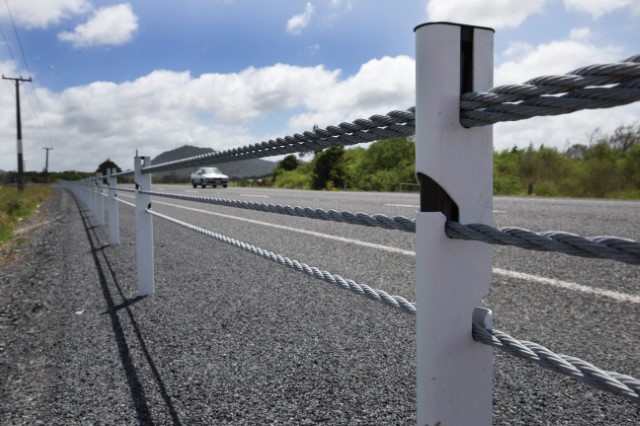
The potential closure of key routes such as Milford Road, or SH6 at the Narrows or Epitaph, can halt tourism, cut off communities, and disrupt supply chains. Resilience is not just about infrastructure, it’s about safeguarding livelihoods, economies, and ecosystems. By demonstrating avoided losses and long-term benefits, we can shift the narrative from reactive recovery to proactive resilience.
All corridors assessed sites using the South Island Resilience SSBC panel-wide risk assessment matrix, Assessed Risk Level (ARL) rockfall assessment and National Resilience Assessment Tool (NRAT). This abstract will cover the methodology and key learnings for each process, how this information enabled us to determine the economic case for resilience improvements, and how others can apply it to their road networks.
The risk assessment matrix approach offers a consistent framework for evaluating site-specific hazards by integrating expert judgement, site observations, and available data. Risk levels are determined using a matrix that considers both the likelihood and consequence of event scenarios (measured by road closure duration), which aligns with the NRAT.
The Assessed Risk Level (ARL) process is a rockfall risk assessment method developed by the Australian Geomechanics Society and adopted by NSW Roads and Maritime Services. It involves primarily visual slope assessments, supported by available data, and uses quantitative rating scales to determine risk levels - ARL1 being highest and ARL5 lowest.
The National Resilience Assessment Tool (NRAT) is a multi-criteria analysis framework developed by NZTA to consistently evaluate disruption risk across the state highway network. It calculates a resilience score using weighted inputs such as Annual Average Daily Traffic (AADT), scale and duration of outage, One Network Road Classification (ONRC), lifeline criticality, detour length, and event likelihood. These inputs are assigned numerical values (using Fibonacci weighting) to reflect their impact severity.