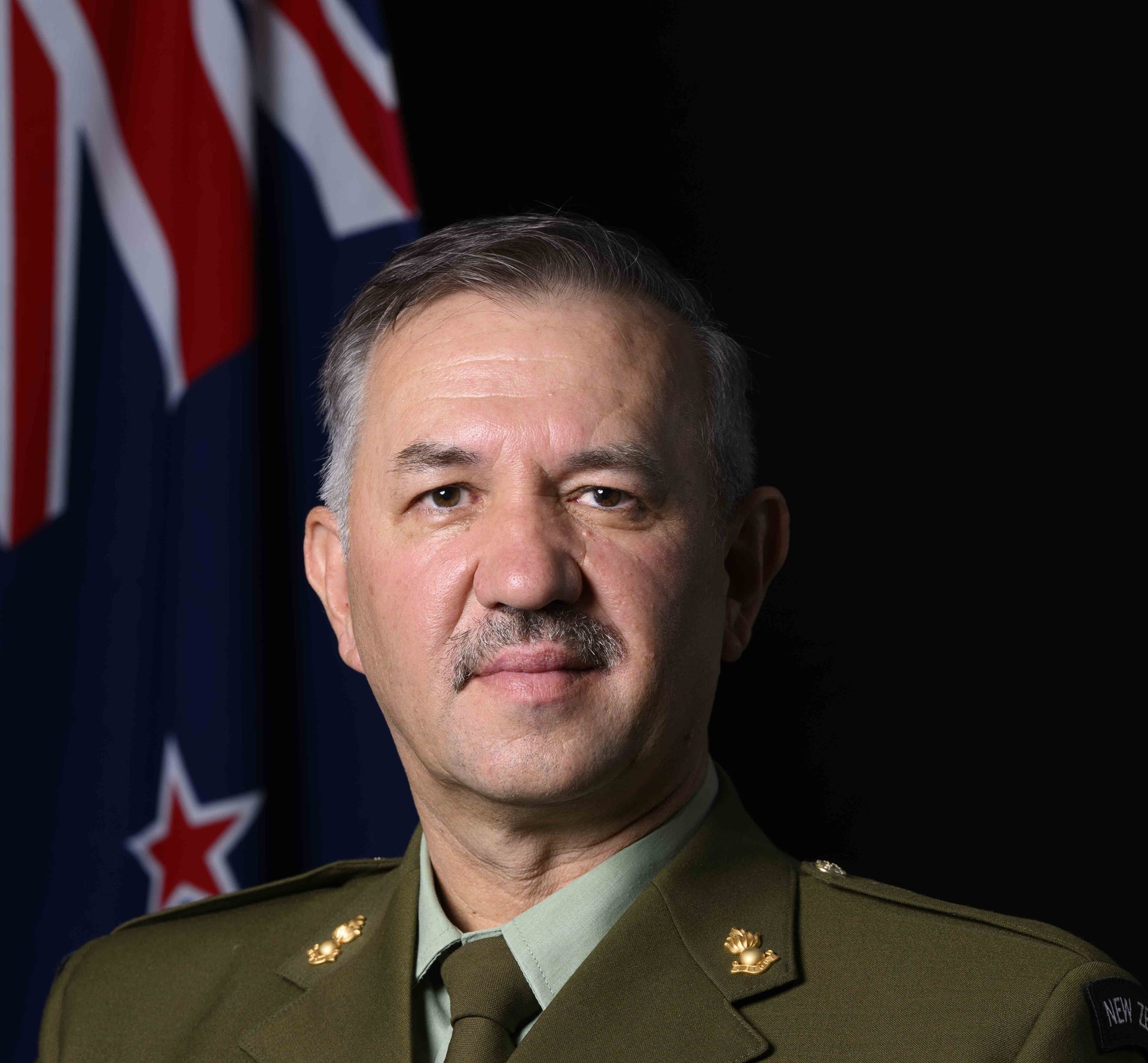
Since joining the New Zealand Defence Force (NZDF) Army Reserves as a Communications Signaller in 1992, Solomon has enjoyed a working life marked by both a “major career” – in various civilian roles, and a “minor career” marked by his ongoing service to the NZDF and an 8-year stint as a police officer.
Through his capacity as a long-serving NZDF Army Reservist, he’s responded to several civil defence and humanitarian operations, including floods, prison strikes and COVID-19. He also participated in infrastructure projects in the Solomon Islands as part of a multinational Pacific Partnership exercise.
In 2018 he switched trades to the Royal New Zealand Engineers and currently serves as a Senior NCO (Non‑Commissioned Officer) in a Recce & Liaison Officer role, responsible for planning and enabling Squadron and Troop training.
Today, Solomon applies his leadership, teamwork and organisational skills to his project management role at Beca, where he’s found a great balance between civilian life, continued service and raising a young family.
"Having an employer that understands the value of service, and the realities that come with it, makes an enormous difference. It allows me to serve knowing I’m supported both professionally and personally."
Service Snapshot
- Years of service: 1992-Present (NZDF - Army Reserves)
- Most senior role: NZ Army Soldier (Active Reserves)
- Where you served: New Zealand, Solomon Islands
What does Remembrance Day mean to you?
Remembrance Day for me, is another significant day as a member of the NZ Defence Force, to stop, reflect and remember the people who have served and lost their lives in past conflicts. Specifically those who served in WW1, as it marks the 1918 Armistice and the end of WW1. In Palmerston North, I will attend the local civic service held in the City Square and observe the 2-minute silence at 11:00. It also offers a chance to connect with other past and serving Defence colleagues.
What’s one thing you’d like others to know about military veterans/reservists?
That we’re there in the background and the service we provide is quite valuable. People know about the regular defence force, but they don’t necessarily know much about the reserve force, or the fact someone sitting next to them in the office might actually be a serving reservist. It’s a balance between doing your day job, my family and my second job (the NZDF Army Reserves).
What were you looking for in an employer when you transitioned to civilian life?
The opportunity to grow. I haven’t really left to be honest, as I’m still serving as a reservist.
I also spent eight years as a police officer, in between all my other roles… when I left the police what really gelled with me was I was looking for an employer that gave me that ability to contribute to society more at the problem-solving level, as opposed to just dealing with the problems at the ‘bottom of the cliff’.
What was one of the biggest adjustments you faced moving from military service to civilian life?
There is a mindset shift going between the two roles (civilian career and military service).
When you go into the army and do training, they talk about your need to ‘switch on.’ You’ve got to step away from your relaxed civilian lifestyle and perspective into a faster-paced, more organised way of life. But the same shift also applies when you come back to your civilian role.
What transferable skills have you harnessed in your civilian career?
Leadership, organisational skills, teamwork and determination. Whilst the hard ‘trade skills’ that I got out of the military are not necessarily directly transferrable, the soft skills certainly are!
What advice would you give to other veterans/reservists considering a career in professional services?
Just back yourself that you can successfully achieve a change of career. You might think, maybe my skills aren’t transferrable, but many of them are.
As a reservist, how does Beca support you in your continued service?
I’ve found Beca to be very flexible and understanding, especially with its history of being founded by people who served in the Air Force. I can feel it in the culture of Beca. I’ve worked with other employers where they see you more as a liability or a burden.
When I first started at Beca during COVID times, I remember flicking a message to my manager at one stage saying, look, I might have to drop everything and go off and do COVID service next week at a quarantine centre. And she was like, yes, sweet.
What’s the proudest thing you’ve done in your civilian life?
I’m proud to continue serving while building my civilian career, and I’m grateful to work for an organisation that genuinely supports that commitment. Having an employer that understands the value of service, and the realities that come with it, makes an enormous difference. It allows me to serve knowing I’m supported both professionally and personally.
Above all, I’m proud of the balance I’ve built between service, work and family. Becoming a father is the thing I’m most proud of, and it’s what ultimately keeps everything else in perspective.
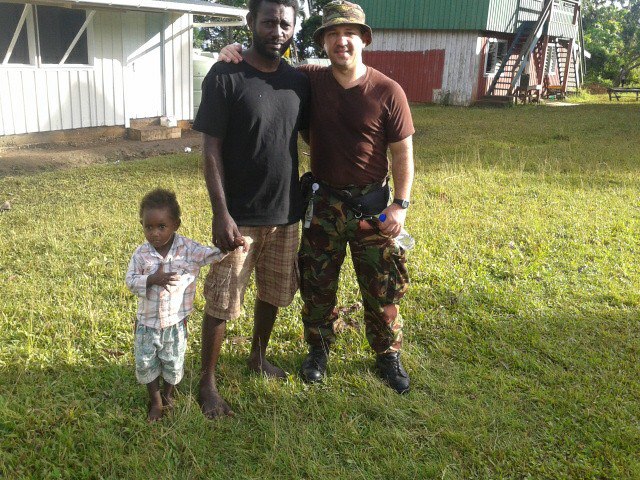 One of Solomon’s favourite photos from his service in the Solomon Islands. This photo features him in front of the school classrooms his team rebuilt, with the head teacher and his son.
View our other Veterans & Reservists stories
Enjoyed Solomon's story? Read more of our Beca Veterans and Reservists stories of service via the link below.
Join our Defence team
Ready to be involved, to be heard and belong? As you forge your own career path and contribute to a legacy, your success is shared.