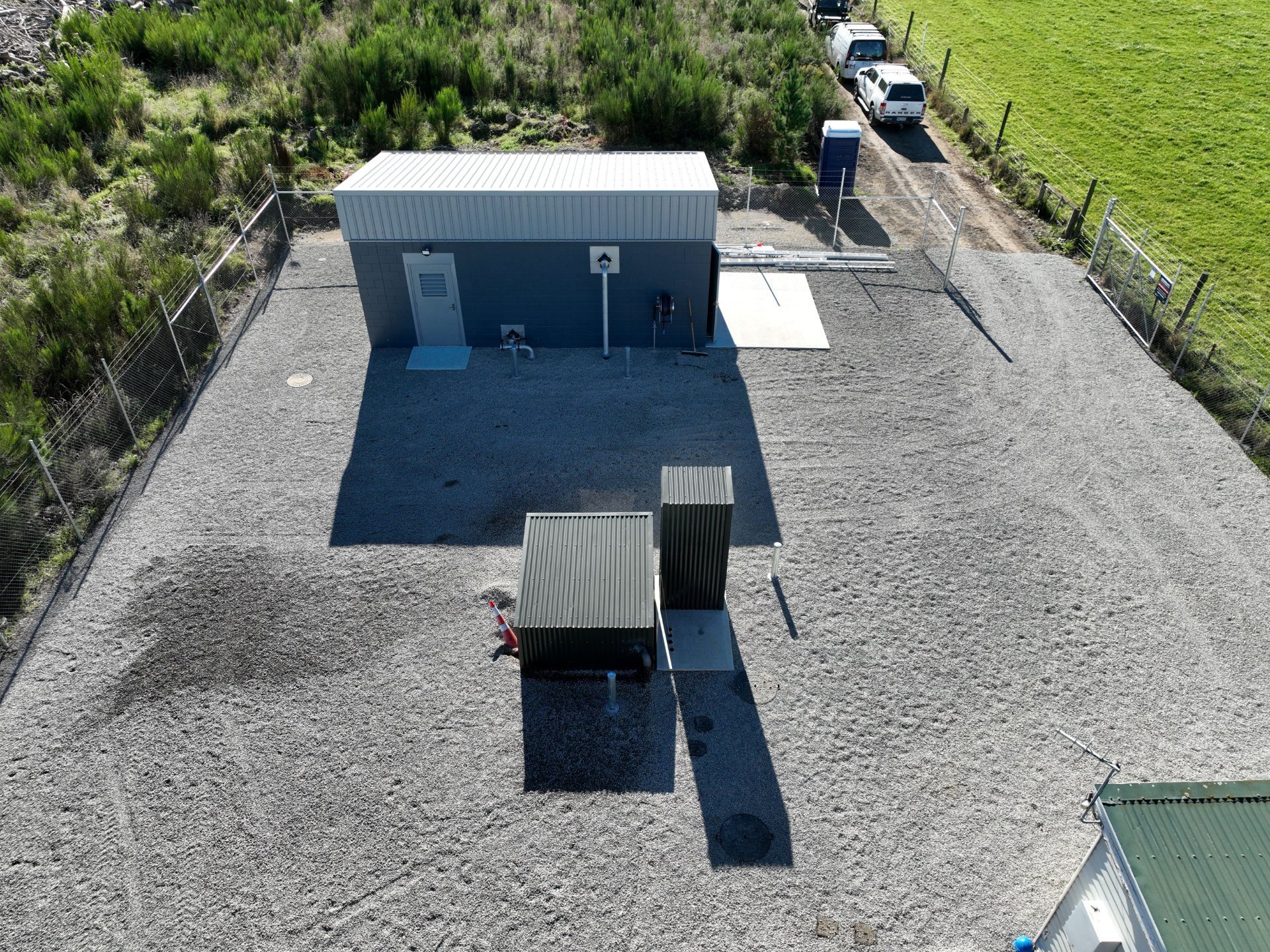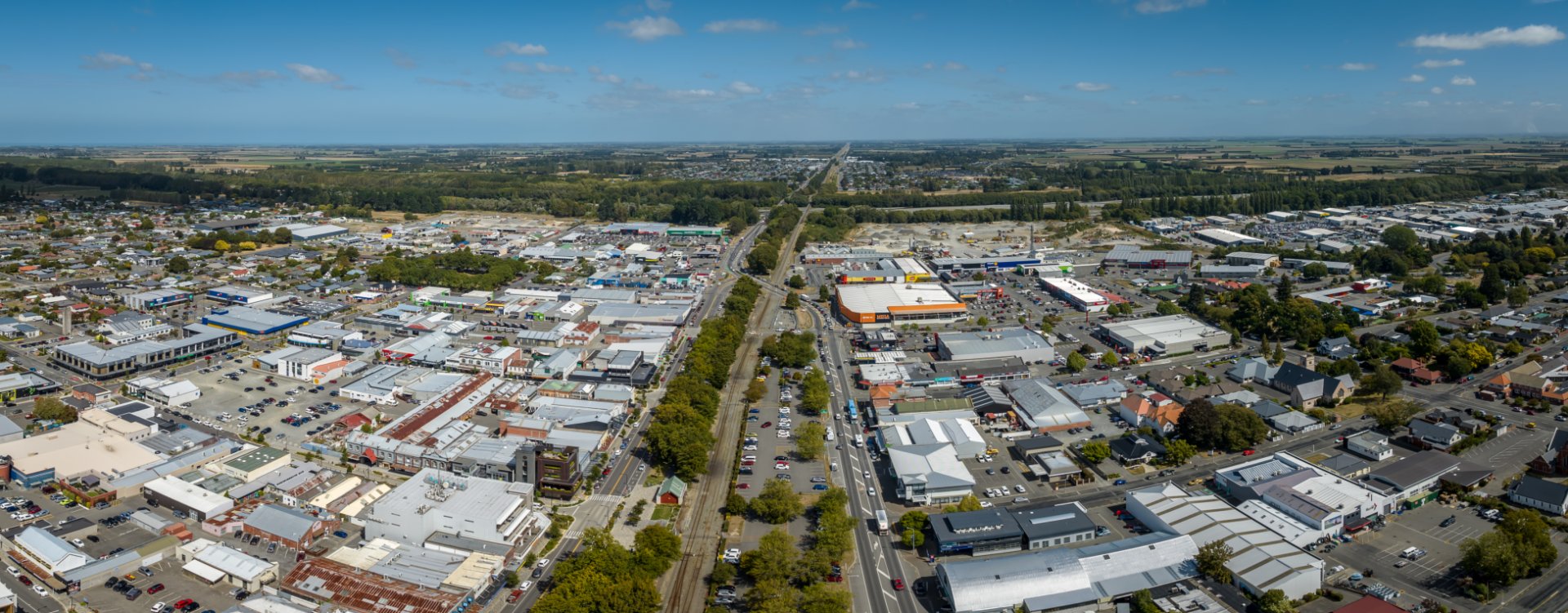
For a small local authority, meeting the requirements of Three Waters legislation can be costly. Ashburton District Council (ADC) has a relatively small number of ratepayers, yet it needed to upgrade nine Water Treatment Plants to meet new regulations for safe drinking water.
Designing cost-effective upgrades to Ashburton’s Water Treatment Plants
“Being on a three-year contract with Ashburton District Council as their sole provider of water professional services, we got to know the client organisation pretty well,” Principal – Civil Engineering Ben Scott says. “It was clear that they needed us to make the project as cost effective as possible and asked us to do things differently.”
Rather than going through many stages of design, the client asked if the process could be sped up to keep the costs as low as possible.
“We were able to streamline the design process to make it much more cost-effective. In various workshops together we would talk through a 3D model of the design on-screen so that everyone could see and understand what we were proposing and get decisions quickly, within the meeting,” Ben says. “By removing the traditional hold points for client review and reviewing documents, this helped speed up the programme.
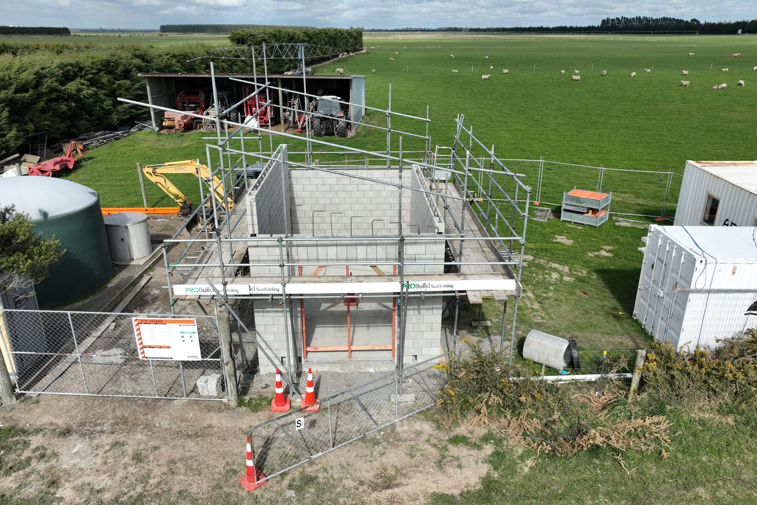
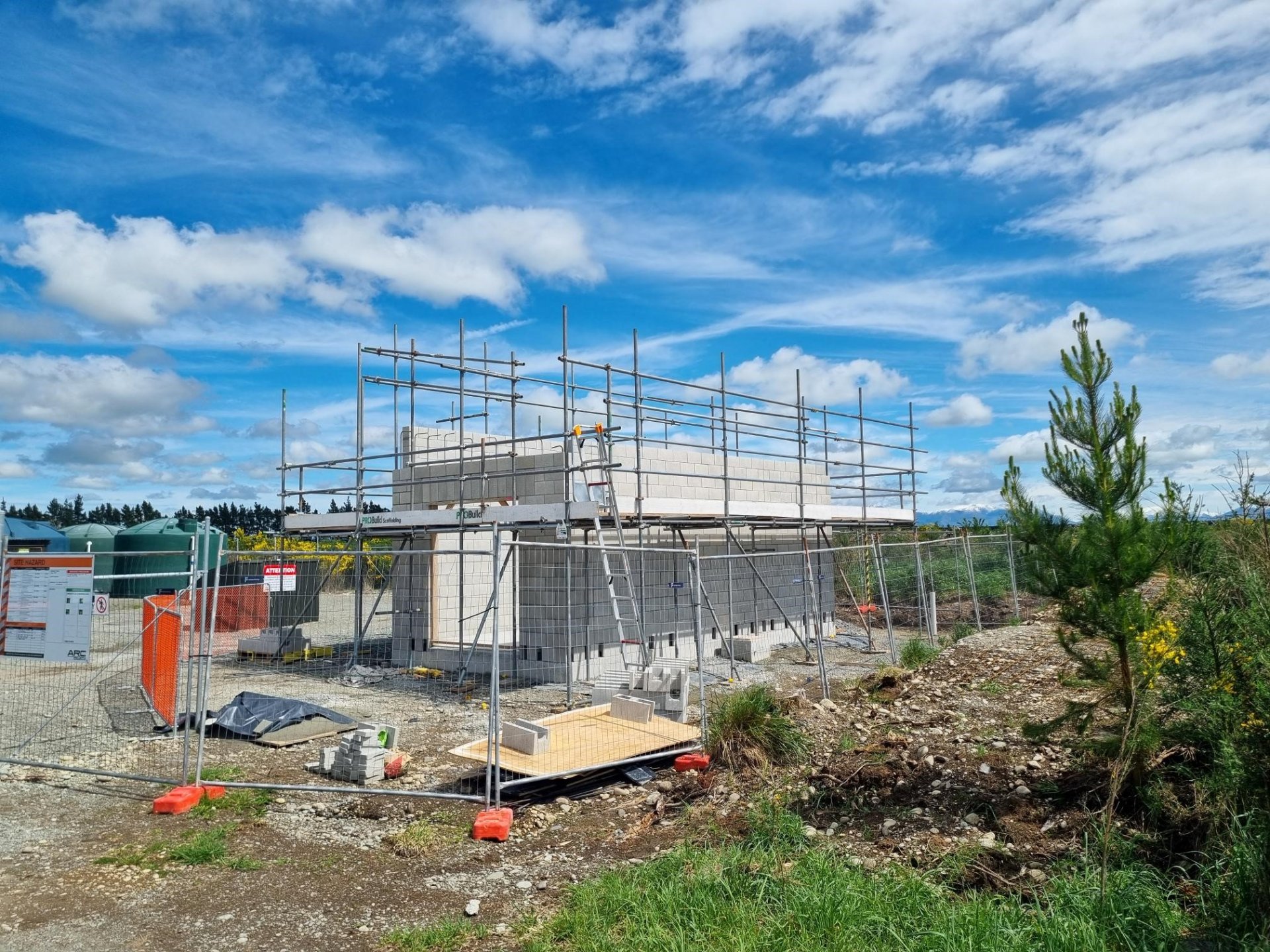
The new Dromore Water Treatment Plant building mid-way through construction (source: ARC Projects)
“We also split the nine Treatment Plant Upgrades into three packages of three, which meant some efficiencies were replicated across each package. ADC engaged local contractors which was a better outcome for the community and meant we could benefit from lessons learned as we went along, and then apply them to the next package of work.
“Ashburton District Council also needed to get the most from the infrastructure they already had. We looked for opportunities to reuse or repurpose existing assets as much as possible and make the best use of the building footprint.
“It was a high trust model on both sides. They trusted us to do it efficiently, and we trusted them to listen to our advice and make timely decisions. It was very refreshing,” Ben says.
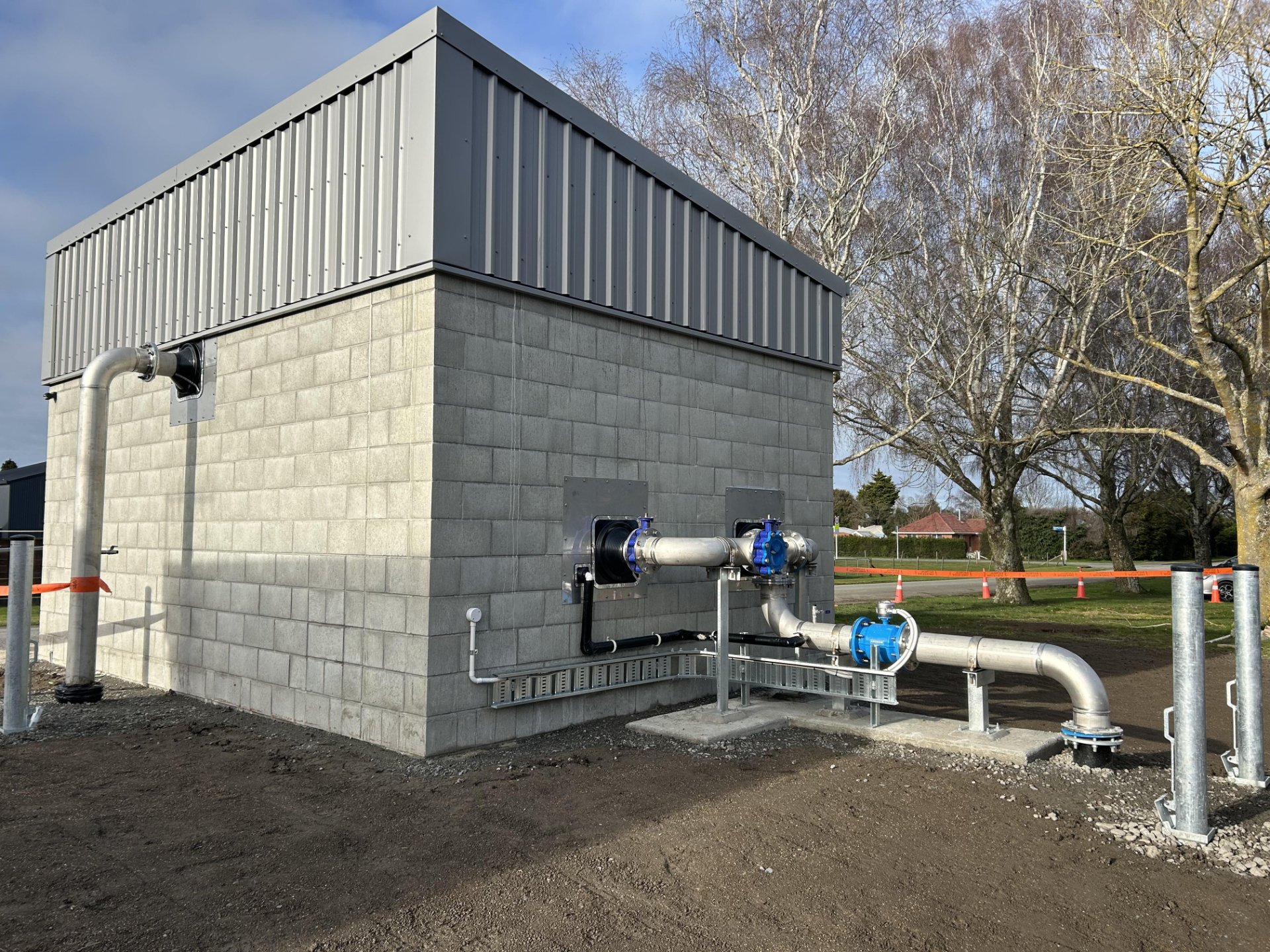
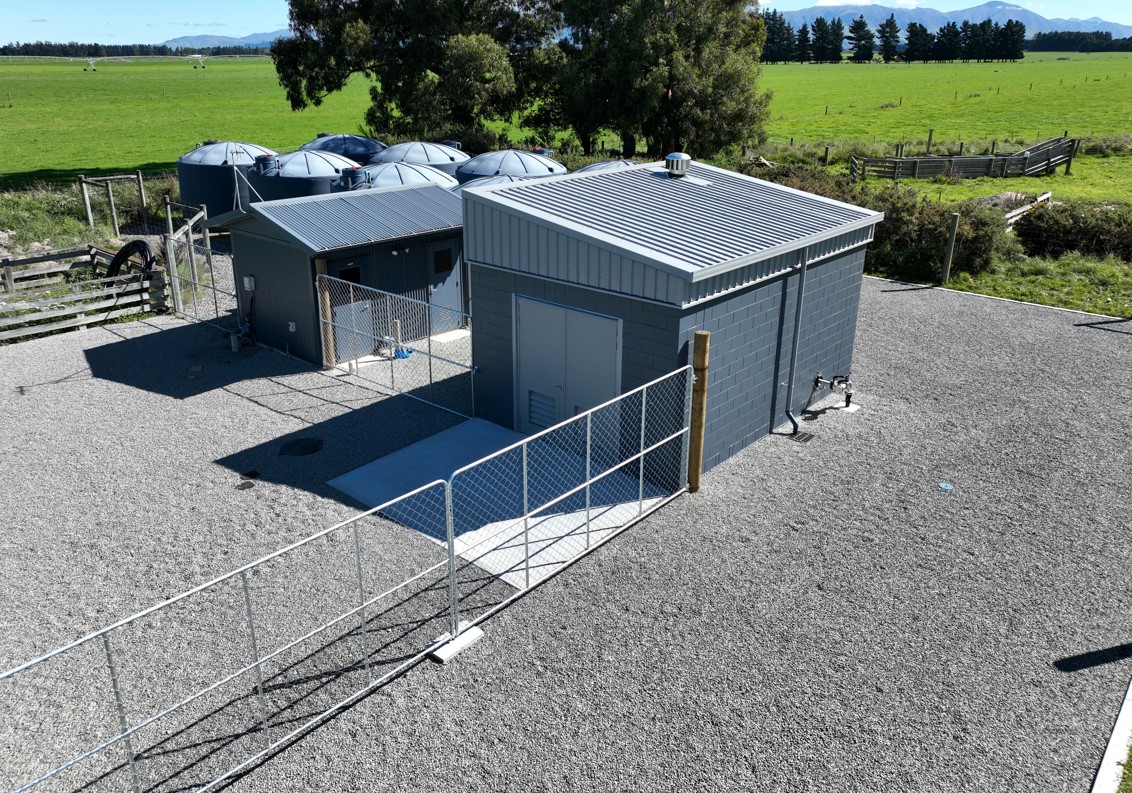 Mayfield Water Treatment Plant was the first site upgraded to achieve compliance with new compliance standards (source: ARC Projects)
The project was also an opportunity to let younger team members lead.
“We had a small, tight team working on the project day-to-day, and brought technical specialists in as needed, which the client really appreciated,” Ben says.
Senior Process Engineer Jon Tweed was the process lead and design manager on the job and Senior Environmental Engineer Danika Ferguson was the project manager.
“When Jon and Danika presented this project at the Āpōpō conference, the client stood up to acknowledge them and thanked Beca, which was such a pleasure to see,” Ben says.
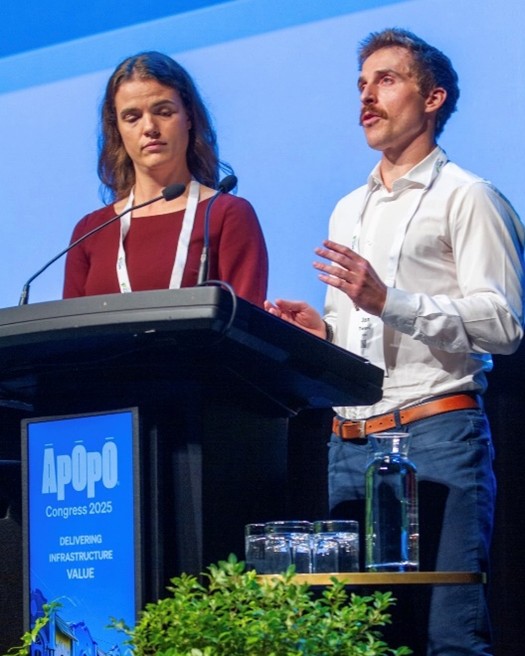 Finalists in the Emerging Professionals Category, Danika Ferguson and Jon Tweed presented the project at the Āpōpō Conference 2025
“One of the highlights for me was using point cloud modelling to not only speed up the design process but also as a useful way of showing the client whether the infrastructure would fit within an existing building envelope, while still allowing space for maintenance and access. It really helps the client visualise in a real 3D space what they are getting ahead of construction,” Jon says.
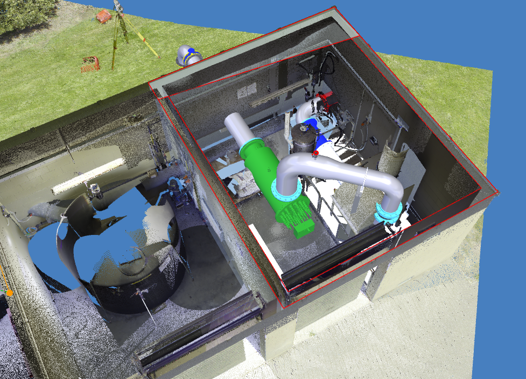 Some of the upgrades sought to repurpose an existing building footprint. Designs were integrated into a virtual model of the existing building to help guide design decisions in a real 3D space.
Danika says the project can be a useful example to other local authorities looking at compliance-driven upgrades on existing infrastructure.
“We were pleased to be able to achieve a 14-month design programme for nine treatment plants, and to have been able to seamlessly integrate old and new infrastructure.” Danika says.
Eight out of the nine treatment plants were commissioned as of December 2025 with the last treatment plant commissioned in February 2026.
“It has been really rewarding to tangibly help Ashburton achieve compliant drinking water for years to come,” Danika says.