
Auckland Council is strengthening its climate resilience through comprehensive transition planning.
This includes bringing together various entity plans into a unified group climate transition plan, piloting a five-step transition planning process, and developing Dynamic Adaptative Planning Pathways (DAPPs) to address both climate-related risks, address opportunities and emissions.
Beca was engaged to support Auckland Council with its transition planning workstreams at a Group level, by providing strategic advice and reinforcing alignment across multiple climate initiatives. Our involvement included consolidating transition plans, assessing risks and opportunities, developing actionable steps, and supporting the creation of the DAPP approach.
As the territorial authority for the greater Tāmaki Makaurau Auckland region, Auckland Council is the largest local government organisation in New Zealand. The wider Auckland Council Group (the Group) includes its subsidiaries (council-controlled organisations and Port of Auckland Limited), associates and joint ventures.
The Group is required to prepare a climate statement annually in accordance with the Aotearoa New Zealand Climate Standards (Climate Standards), which includes the Group transition plan to outline how it is positioning itself towards a low-emissions, climate-resilient future and to showcase current actions and long-term strategies.
Consolidation model for aligning transition planning
The Council Group wanted to consolidate different entity plans to a group climate transition plan, adopting a bottom-up approach allowed for ownership of each plan and flexibility across the entities. Beca and the Council’s Chief Sustainability Office (CSO) developed a model to streamline existing transition planning and bring bottom-up and top-down approaches together.
The consolidation model reflected key themes across existing separately developed transition plans and was informed by the New Zealand Climate Standards requirements and relevant guidance from the External Reporting Board (XRB) and Financial Markets Authority (FMA).
Its purpose was to bring together transition planning from the across the Group into a holistic and aligned approach, supporting the development of key statements for input into the Council’s annual Climate Statement.
This process brought value by increasing alignment with XRB guidance, clarifying what effective transition planning means in a local government context, and enabling identification of commonalities, synergies and areas for development across the Group. It also enabled easier identification of key processes and optimal timing for communicating transition planning.
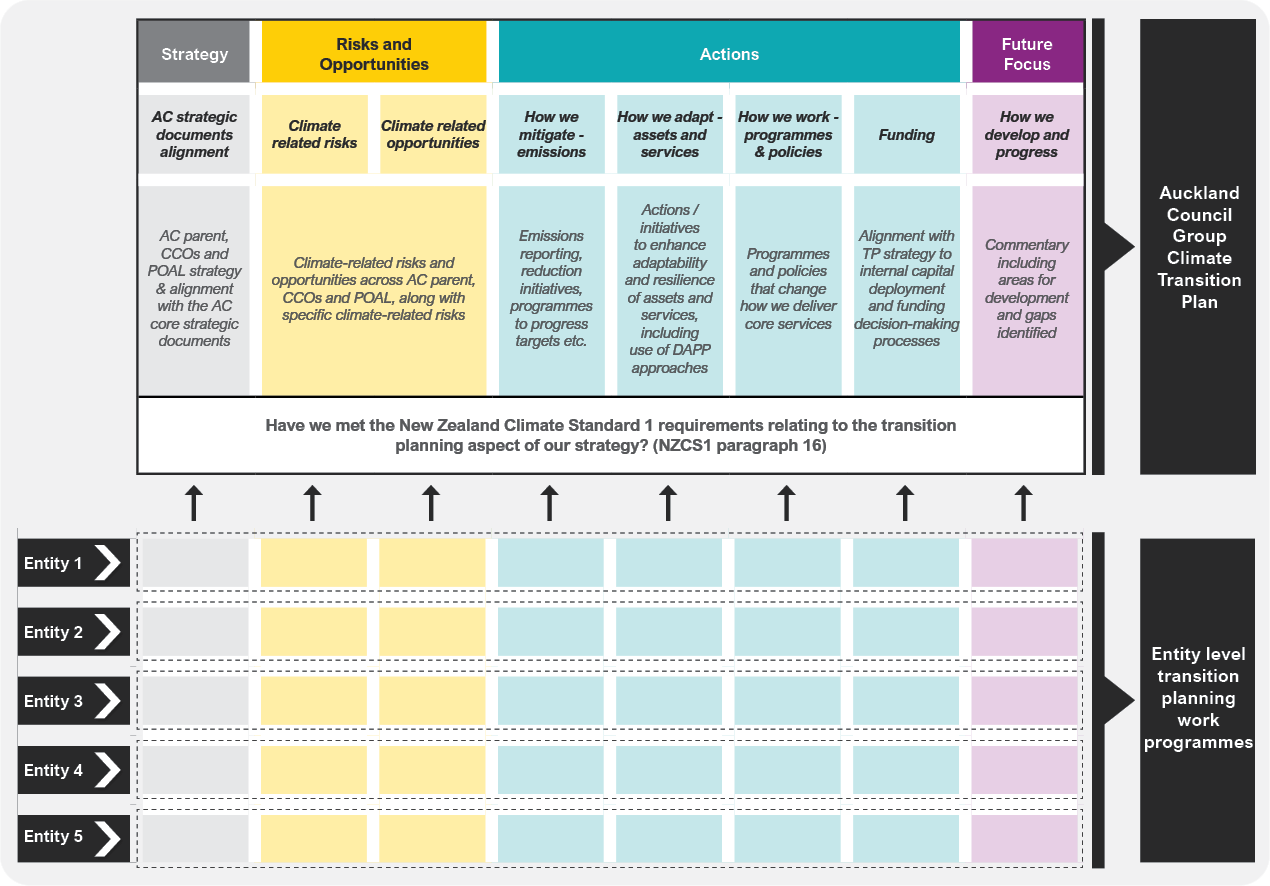
Figure 1 - Indicative model to streamline transition planning
Piloting a pragmatic five-step transition planning process
A key challenge is translating transition planning into practical action across Auckland Council’s key activity areas. A process was originally developed by Auckland Council and was expanded and iterated by Beca to allow for a more comprehensive approach. This project presented an opportunity to pilot the comprehensive five-step transition planning process co-developed by Beca and Auckland Council and key stakeholders with one of the Council’s main service areas, Healthy Waters.
The five-step process provided a structured yet flexible framework that supported the pilot’s goals by guiding participants through a logical progression of understanding, analysis, and action.
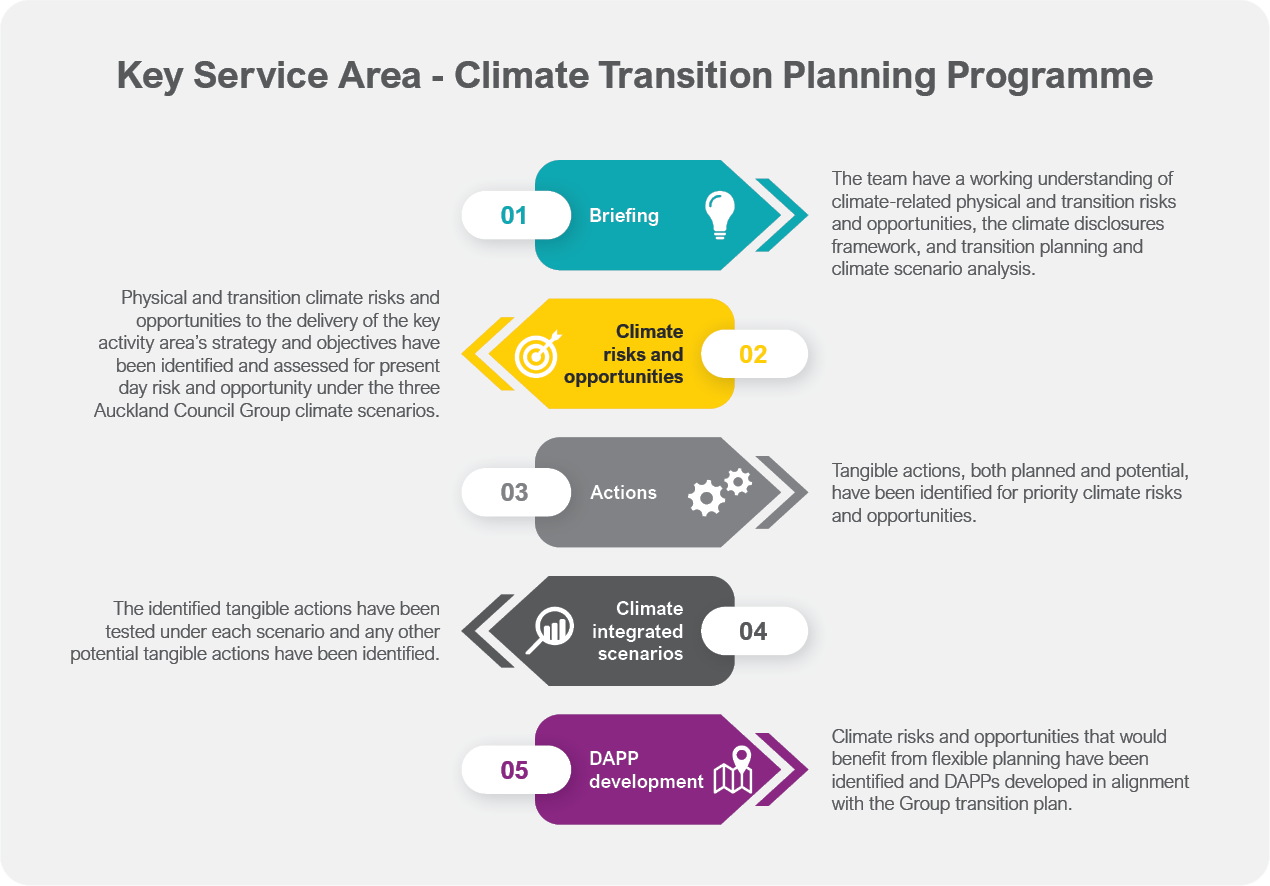
Figure 2 - Five-step climate transition planning process
- Step one - Briefing and training workshop
Following an initial process to scope the project, and identify clear objectives and inter-dependencies, the practical transition planning process began with a briefing and training workshop. This helped establish a shared foundation of knowledge around climate change, risk, and adaptive planning, so participants were aligned and equipped to engage meaningfully.
- Step two - Assessment of climate risks and opportunities
The workshop was followed by a focused assessment of climate risks and opportunities specific to the service area, grounding the work in real-world operational and environmental contexts.
- Step three - Development of targeted actions
Building on the assessment of risks and opportunities, participants brainstormed adaptation responses - both potential and planned – existing and targeted actions were developed.
- Step four - Stress-testing actions
These actions were then evaluated and ‘stress-tested’ against a range of plausible climate scenarios pragmatically right-sized from the Group climate scenarios, helping to evaluate their robustness and adaptability under different future conditions.
- Step five - Creation of DAPP diagrams
The final step involved the creation of DAPP diagrams - providing flexible strategies for managing climate risks and addressing opportunities over time. DAPP pathways are designed to trigger timely decisions based on evolving climate conditions, enabling the Council to adapt effectively while maintaining service delivery and financial sustainability.
Bespoke DAPPs were developed for this key service area, by integrating existing knowledge with Auckland Council’s broader transition planning approach.
The DAPPs created for Auckland Council were intended only for internal use and are confidential. Below is an illustrative fictional DAPP example reflecting in principle climate transition planning for water assets.
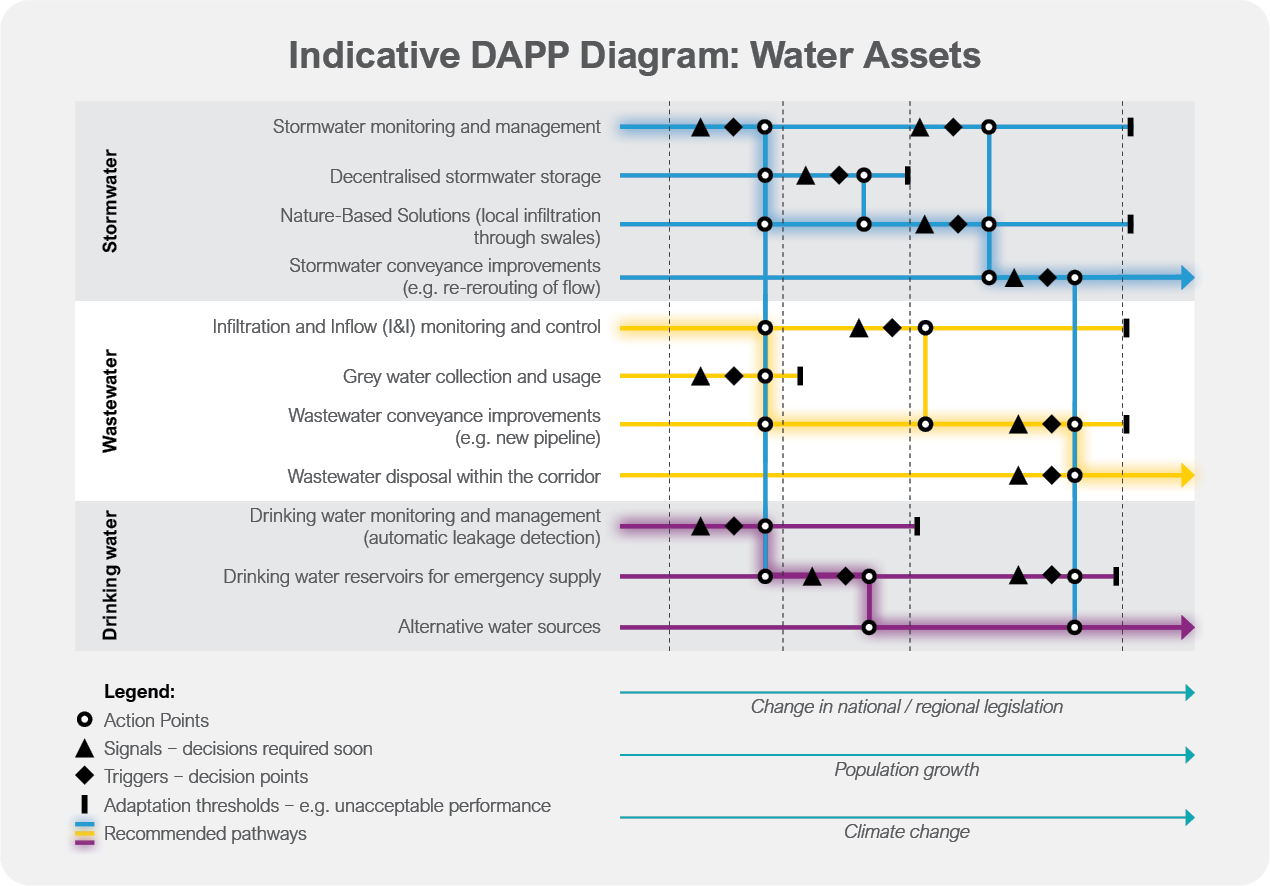
Figure 3 - Illustrative example of what DAPPs look like.
Emissions DAPP
During the consolidation process, an opportunity emerged to develop a DAPP diagram specifically for emissions reduction actions contained in the Group’s transition plans. This marked the first time DAPP had been considered to reflect transition planning for emissions by Auckland Council – a novel and insightful challenge.
The emissions DAPP helps identify external variables that introduce uncertainty or link to conditions that could either enable or threaten the most significant decarbonisation actions across the Group’s overall footprint. It also highlights key drivers of future change likely to affect the implementation of actions.
Consolidating emission reduction activities into a DAPP format offered a new perspective, beyond a traditional ‘effort to target’ view. This enabled clearer identification of critical actions required for interim and net zero reduction goals to be achieved, particularly areas where cooperation across the Group could be beneficial.
Unlike many emission plans or models, DAPP enables insights into the most influential drivers, key reduction action dependencies (including reliance on new technologies), and factors which could impede progress towards reduction goals.
Conclusion
Beca partnered with the Auckland Council CSO to consolidate, streamline and mature climate transition planning from across the Group, supporting both strategic decision-making and mandatory climate-related disclosure reporting. By evaluating synergies and identifying areas for further development, we helped the Group achieve greater alignment in its transition planning, and enhance overall resilience to climate change.
We helped Council to develop a ‘Group Climate Transition Planning Roadmap’ - a practical framework for advancing climate transition planning across the group. At Auckland Council activity level, the creation of DAPP for climate-related risks and opportunities, highlighted where flexible planning approaches would deliver the greatest benefit. We also supported the development of a group emissions DAPP, marking the first time the methodology had been considered by Auckland Council to reflect transition planning for emissions.
Our team brought their technical expertise in risk management, climate-related disclosures, and adaptation methodologies - including DAPP - to develop a pragmatic approach and tools for effective transition planning, supporting strategic decision-making and future reporting requirements.
“This work became a team effort -> He rau ringa e oti ai | Many hands make light work. Some of the positive feedback we have received applies to all the hands and minds that contributed -> Ehara taku toa i te toa takitahi, engari he toa takitini | My successes aren’t mine alone, but ours,” says Carlien Kruger, Group Climate Risk Specialist and Climate Transition Lead at Auckland Council
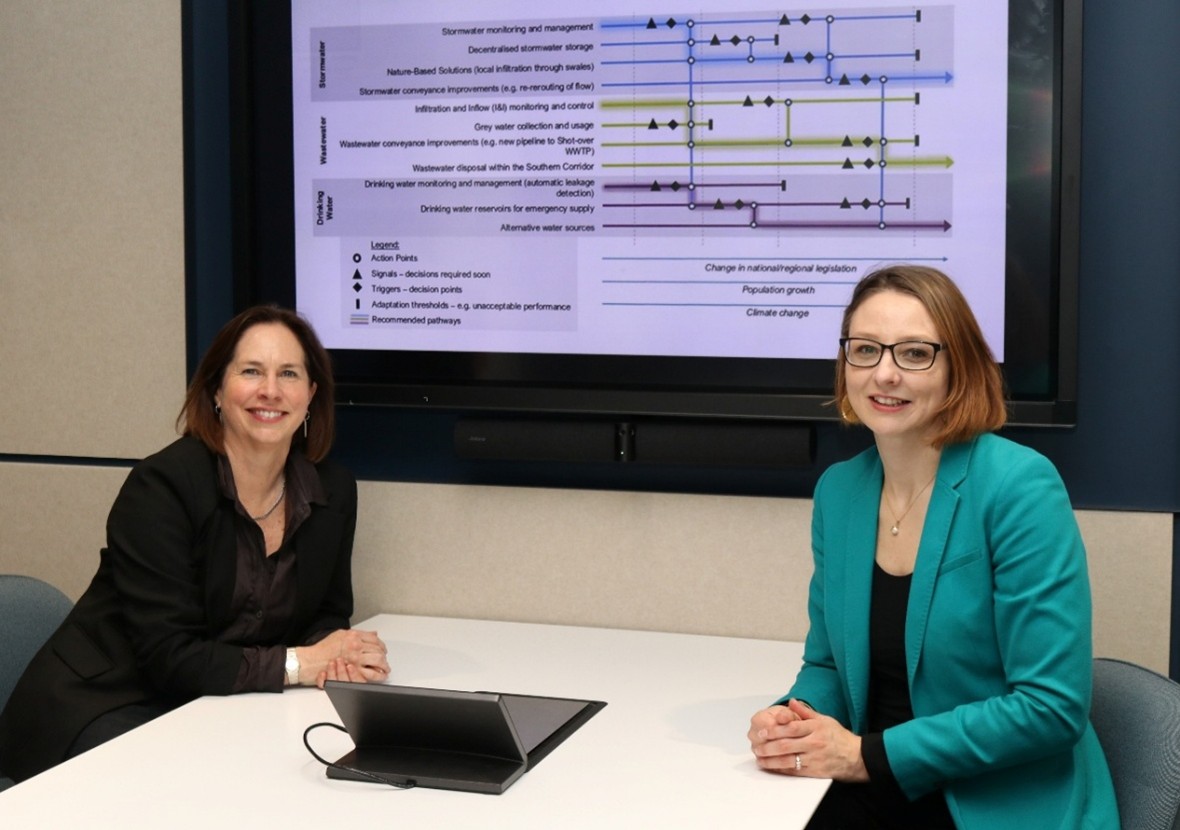
Figure 4 - Pictured from left; Kristin Renoux, Senior Associate - Climate and Sustainability at Beca and Carlien Kruger, Group Climate Risk Specialist and Climate Transition Lead at Auckland Council
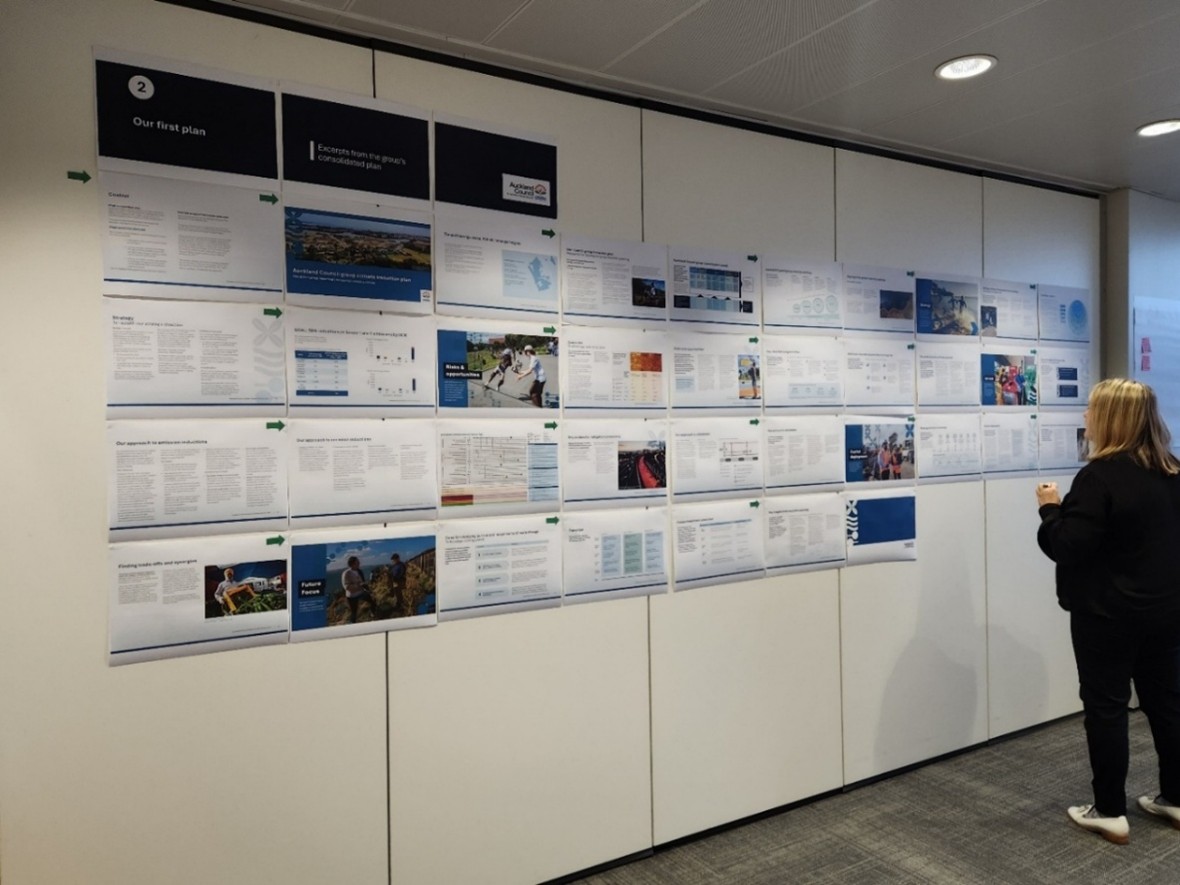
Figure 5 - Pictured is an Auckland Council stakeholder walking through the visual presentation of all the transition planning, including the consolidation model, and the Auckland Council Group five-step process, DAPP and Emissions DAPP.
Our People