Why nature must be part of the infrastructure system
What we’re seeing across projects and sectors is that nature isn’t simply an environmental context to work around – it is already a functioning part of the infrastructure system. Where organisations once defaulted to engineered assets as the only credible option, we can now demonstrate that natural systems can support, enhance or substitute for conventional grey (built) infrastructure. This isn’t theory. It’s grounded in hydrology, ecology, geomorphology, long-term monitoring and on-the-ground performance evidence.
Critically, natural infrastructure doesn’t add value in a linear way. When designed and governed with the same discipline applied to pipes, pumps, culverts and treatment plants, natural systems act as value multipliers – reducing peak flows, stabilising land, filtering contaminants, enhancing biodiversity, strengthening cultural outcomes and improving community wellbeing. In many cases, these co benefits accumulate to create outcomes that outperform engineered alternatives, from both an economic and a community standpoint.
This recognition pushes us toward a deeper shift. Infrastructure decisions can no longer treat nature as an afterthought, a mitigation measure or a green add on. We need to approach natural systems as core components of our infrastructure toolkit – evaluated early, funded appropriately, designed with rigour and maintained as assets with defined service roles. This is about building systems that are more resilient, more adaptable and more fiscally responsible in the long term.
With this shift in mind, we can now turn to the practical implications: what it means to value nature as infrastructure, how this reframing strengthens long term resilience and how scenario analysis is helping organisations understand the consequences.
Structured and planned natural asset investment
Across New Zealand, the limits of a grey-only approach are already evident: not only in the effects of storms and flooding, but in the cumulative maintenance burden, operational volatility and consent pressures faced by infrastructure owners. These pressures highlight that the performance of our networks is inseparable from the condition of the natural systems around them.
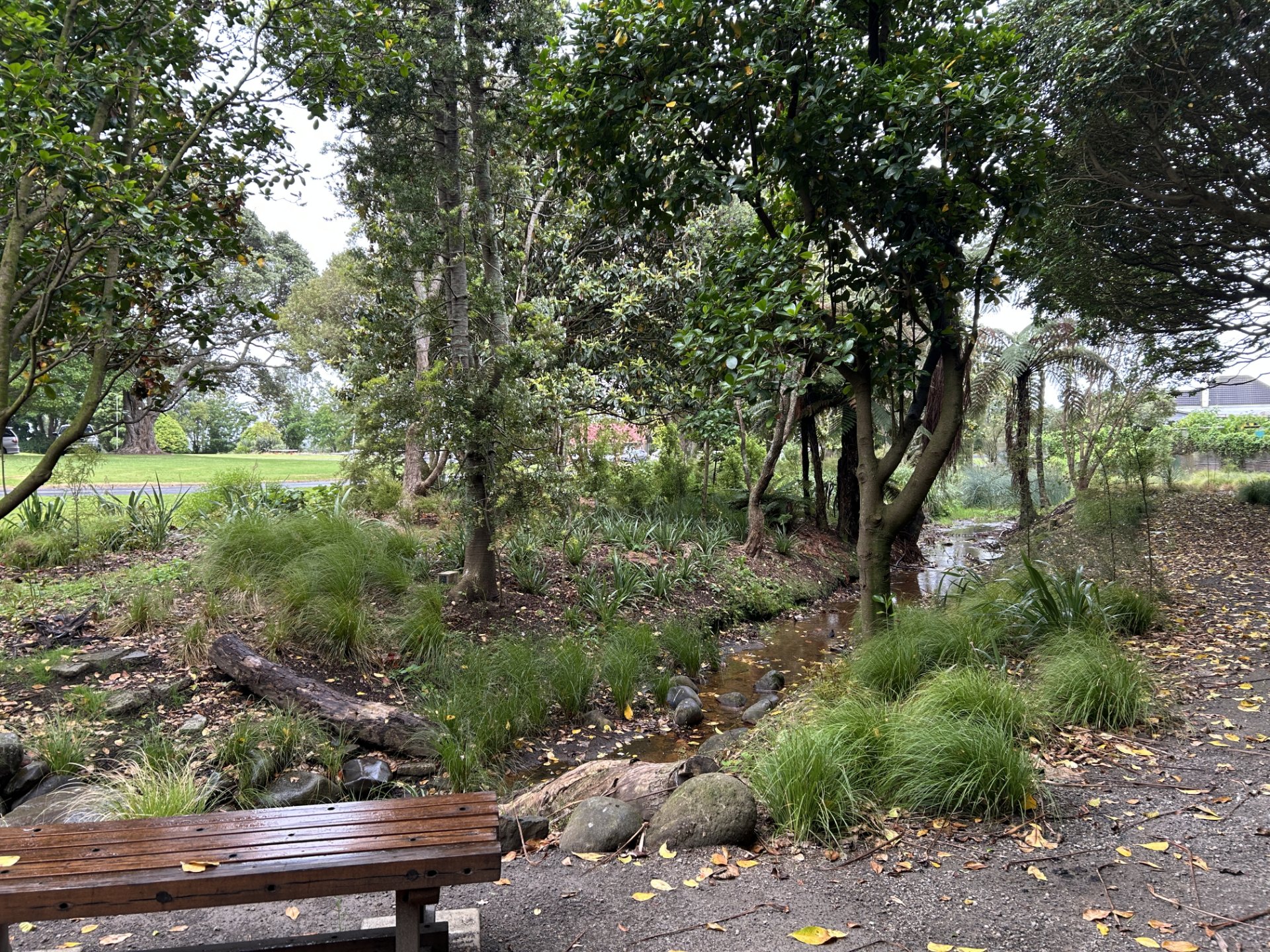
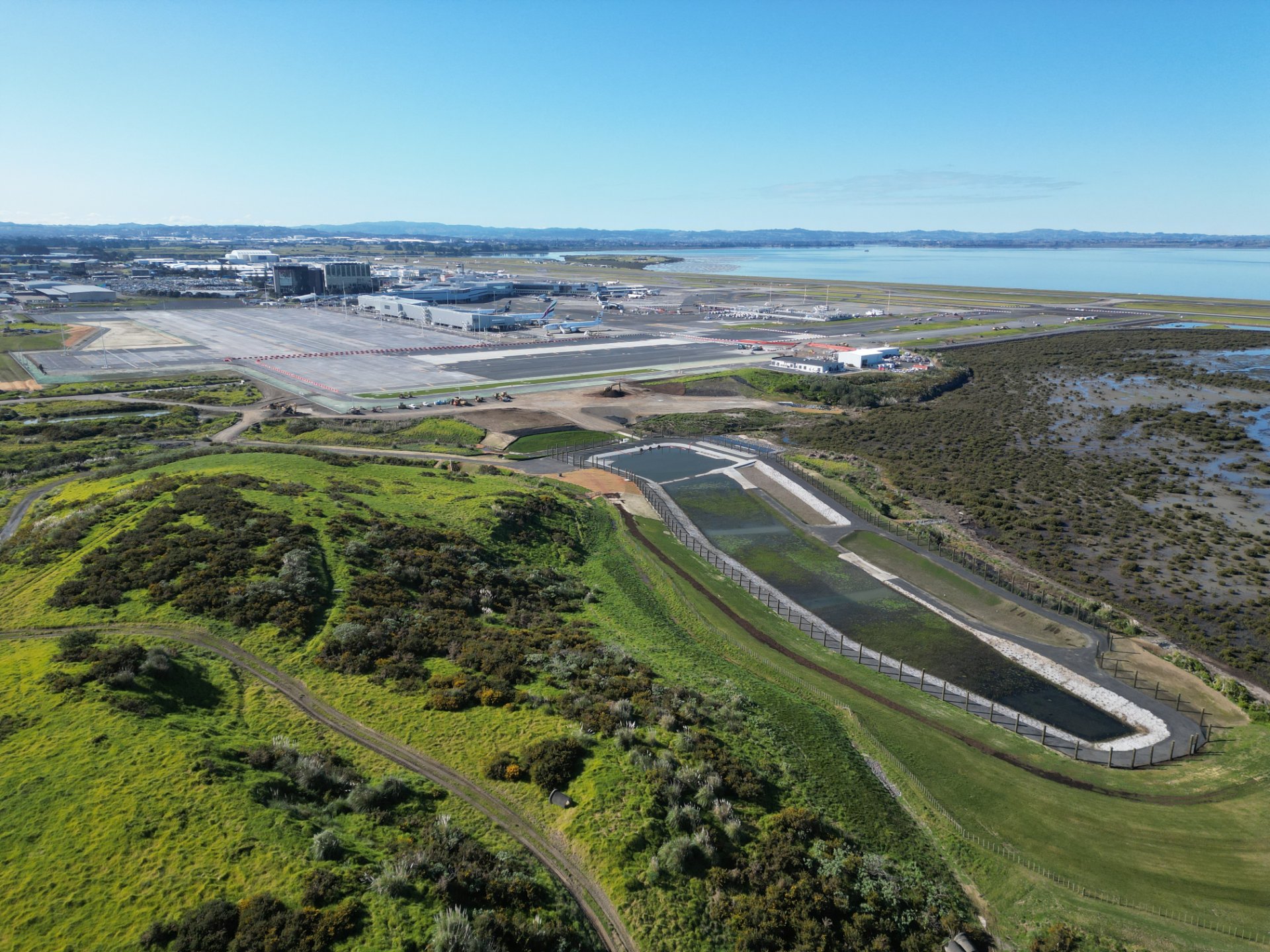
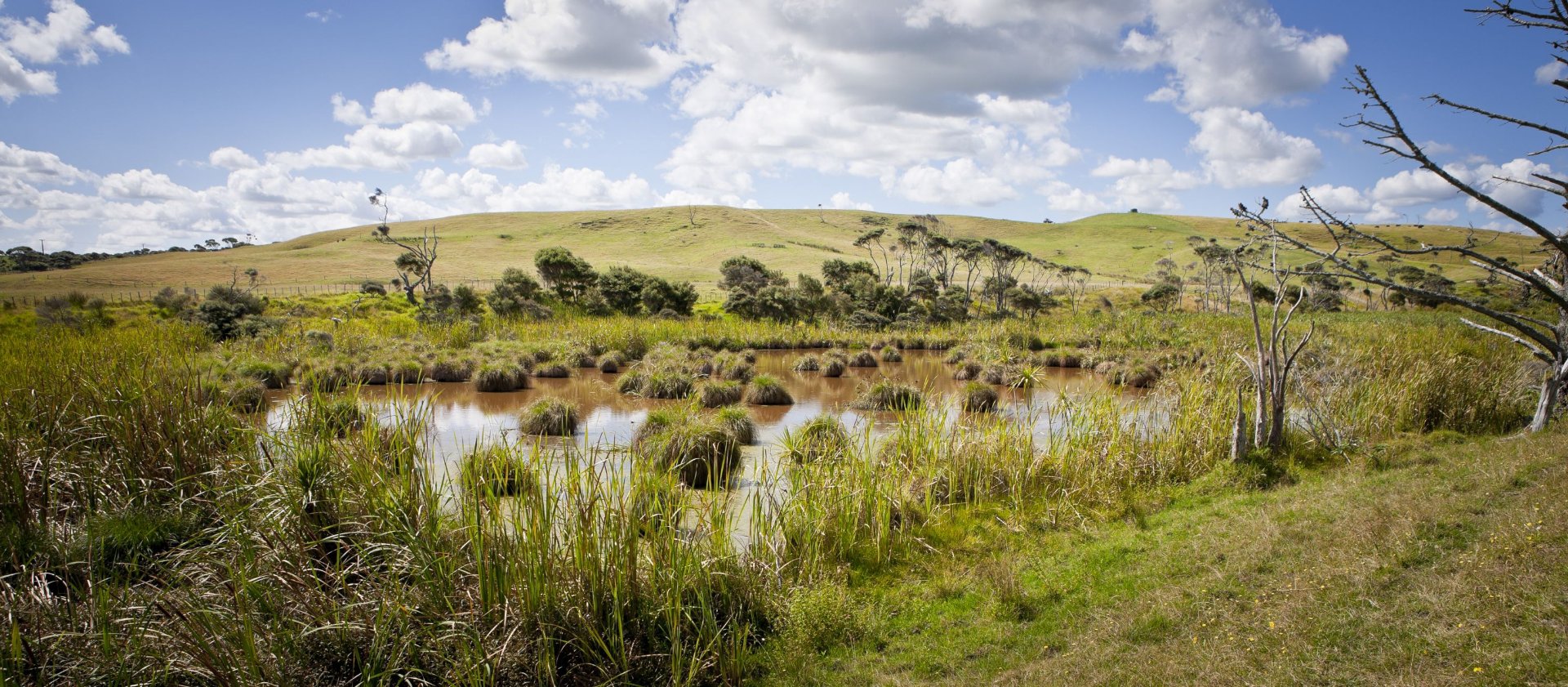
When we talk about nature as infrastructure, we’re not introducing a new idea, we’re naming an existing reality. Wetlands store and slow stormwater. Floodplains distribute excess flows. Dunes, reefs and estuaries protect our coastlines. Soils regulate hydrology and filtration. Vegetation cools urban environments. These natural processes underpin the performance of the engineered systems we rely on, even if they rarely appear on asset registers.
What’s changing is that these functions can no longer be taken for granted. Degraded catchments, declining water quality, eroded shorelines and stressed ecological systems are directly amplifying the risk profile of built assets. The resilience we thought we were ‘buying’ through engineering alone is, in practice, being shaped by ecosystem condition. That makes the valuation, maintenance and active management of natural systems a core infrastructure question, not an environmental one.
Recognising ‘nature as infrastructure’ means elevating these systems into the same investment, planning and performance frameworks we already apply to pipes, culverts, pump stations and treatment plants.
The shift toward treating natural systems as infrastructure isn’t being driven by planners and engineers alone. Financial institutions, credit analysts, insurers and sustainable finance frameworks are increasingly expecting organisations to demonstrate how natural systems influence long-term resilience and the performance of the assets they fund. They’re looking for clear, credible evidence of how natural systems reduce system risk and support operational continuity, and how nature-based interventions change lifetime cost profiles. Organisations able to articulate and verify these connections are finding it easier to access capital through sustainability-linked instruments and resilience-oriented products.
Recognising natural systems as part of the infrastructure estate is both a resilience imperative and a financial one. To do so, we must approach nature in the same way we approach any other asset type:
• Planned through the same decision frameworks
• Assessed against service needs and risk profiles
• Funded through CAPEX and OPEX
• Maintained deliberately
• Monitored with performance indicators
• Managed across catchment boundaries, not project boundaries
Without this shift, we continue to rely on natural systems for critical services while failing to protect or reinvest in them, leaving our built networks exposed and our communities vulnerable.
What we’re learning from nature related scenario analysis
Beca’s nature and climate scenario analysis work with major New Zealand organisations consistently shows how natural systems shape infrastructure performance, risk, cost and long-term viability. With nature at the heart of the analysis, climate drivers can be pragmatically integrated.
Over the past year, we’ve worked with organisations across food and fibre, processing, transport and regional networks to explore nature-related risks and opportunities through structured scenario analysis aligned with emerging disclosure frameworks. The findings are remarkably consistent, and highly relevant to infrastructure planning.
1. Nature has become a core operational variable
Scenario analysis repeatedly highlights how water availability, soil function, ecological decline, landscape dynamics, sedimentation and climatic instability directly influence operational continuity, maintenance costs, network performance and long-term investment needs. Infrastructure owners already experience this: catchments shape flood behaviour; land stability affects transport routes; receiving environments drive consenting and treatment requirements.
2. Built assets inherit the resilience, or fragility, of the landscape
Engineered systems depend on the state of the natural systems around them. A culvert’s performance depends on upstream land use. A pump station’s viability hinges on groundwater behaviour. A wastewater plant’s compliance risk reflects the receiving environment’s sensitivity. Scenario analysis makes visible what many practitioners already know: infrastructure is only as resilient as the landscapes it sits within.
3. Data gaps translate into decision risk
In almost every scenario workshop, participants identified the same constraint: limited data on natural system trends makes long-term planning uncertain. Without monitoring and natural capital information, organisations risk mis-sizing investments or reacting too late.
4. Nature recovery expands future options
Optimistic scenarios show that investment in natural systems is not just risk mitigation – it can create strategic advantage. Improved water quality, stabilised catchments, healthier soils and restored biodiversity can reduce insurance costs, lower maintenance burdens, improve market access and increase asset resilience.
5. Scenario-based thinking changes governance
The greatest impact is the shift in mindset. When leadership teams test their strategies against plausible futures, nature-related risk becomes a system-wide consideration rather than a sustainability topic. Decisions become more future fit, and the role of natural infrastructure becomes clearer.
From plans to practice
New Zealand faces a convergence of climate and environmental pressure, infrastructure under investment and heightened expectations from financiers, insurers, regulators and communities. We can’t meet these challenges by continuing to plan and fund infrastructure as if nature plays no meaningful role.
The National Infrastructure Plan highlights long-term constraints and areas for urgency. The emerging Natural Infrastructure Plan demonstrates how nature already contributes to service resilience.
Organisations that can demonstrate how natural systems support long-term asset performance and verify this with credible evidence will have clearer access to capital and greater financial headroom. Those who can’t will face higher costs and reduced flexibility as nature-related risks become more visible in markets and balance sheets.
The path forward is clear:
• Integrate natural and built systems into a unified strategy
• Fund natural infrastructure as infrastructure
• Use scenario analysis to stress test strategy and inform transition planning
• Build metrics and monitoring that allow nature to be managed as an asset
• Enable councils, government, industry and finance to collaborate at catchment scale
This is multidisciplinary work. It calls for engineering, ecology, hydrology, economics, planning, climate science, te ao Māori perspectives and governance – not in parallel, but as one integrated practice.
If we want infrastructure that can withstand the next storm and sustain the next generation, then nature can’t sit outside the budget, the risk register or the balance sheet.
It has to be part of the plan.
Our people