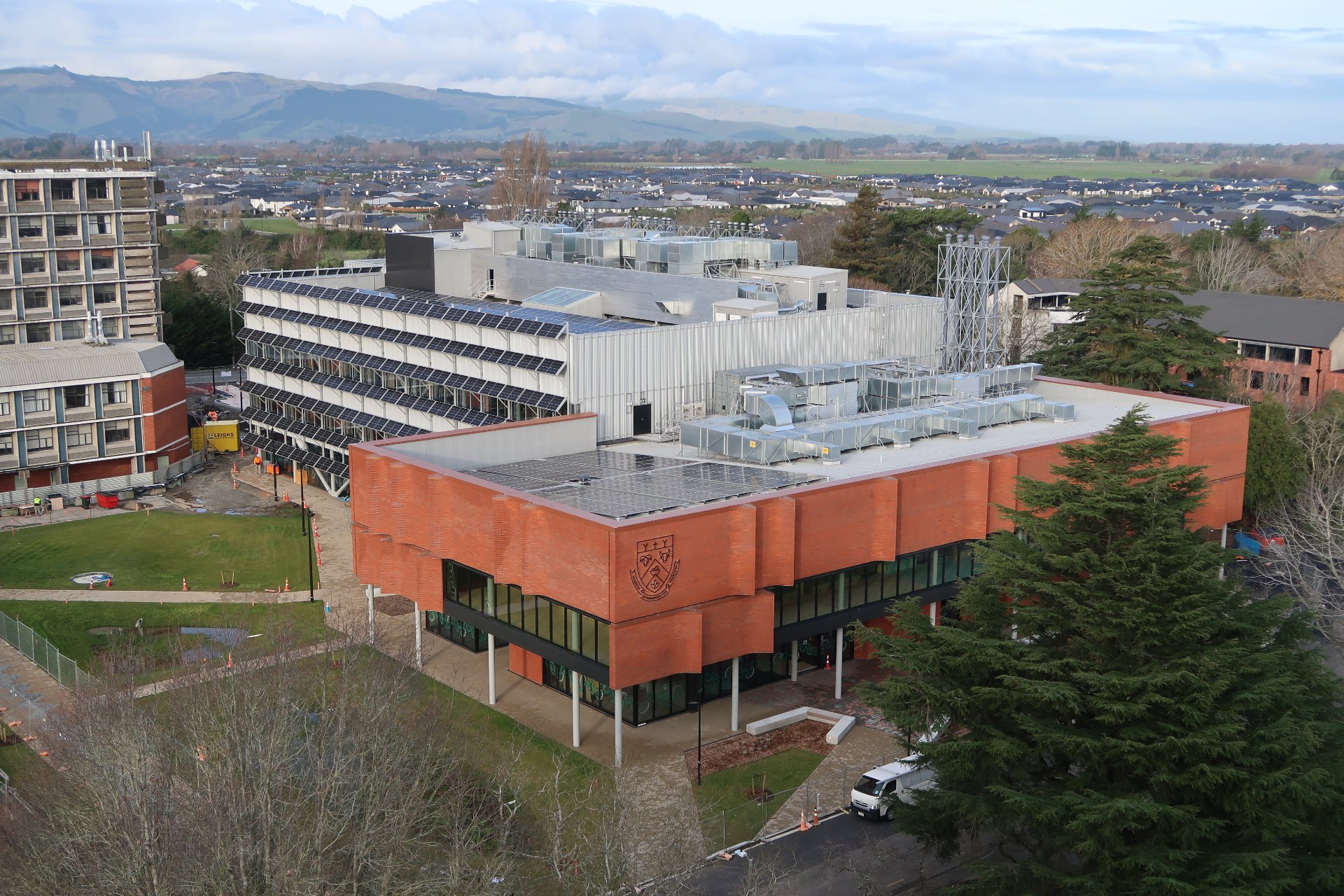
Lincoln University’s campus has transformed since the Christchurch earthquakes. The centrepiece of its refurbishment is Waimarie, its flagship science building.
“The university was interested in adopting new technology when designing Waimarie, but cost was a concern. We were able to show that using Tectonus Resilient Slip Friction Joints (RSFJs) would be of comparable cost to a conventional design and would significantly improve the building’s performance following an earthquake, meaning the building could be brought back into use quickly,” Senior Associate Structural Engineering Chris Wallington says.
This was the first time Tectonus RSFJs had been used on a building of this size in New Zealand, and there were no New Zealand design standards for their use. This required the creation of a bespoke design methodology and quality testing programme.
“We researched international standards, whilst incorporating New Zealand parameters, to inform a design methodology which we then agreed with the structural peer reviewer,” Technical Director – Structural Engineering Samir Govind says.
“We worked iteratively with Tectonus, above and beyond our original scope, to investigate suitable device properties that met the design criteria. A key outcome determined that the alternative design required two less shear walls and reduced sizing of foundation and braced frame elements,” Samir says.
As well as reducing cost, these reductions meant a substantial reduction in upfront carbon emissions and allowed for more usable space within the building.
What are Tectonus RSFJs?
Tectonus RSFJs are a friction device that dissipate seismic energy through sliding movement. They can be incorporated into various structural systems and construction materials. Buildings featuring RSFJ technology are designed to endure earthquakes without damage to the devices and can be quickly assessed after a seismic event.
“We conceptualised the connections in sketch format then held workshops with the main contractor, Tectonus and subcontractors to confirm our proposed details were buildable. The shear walls required bespoke detailing to allow the walls to rock at their base and avoid damage at suspended floors,” Chris says.
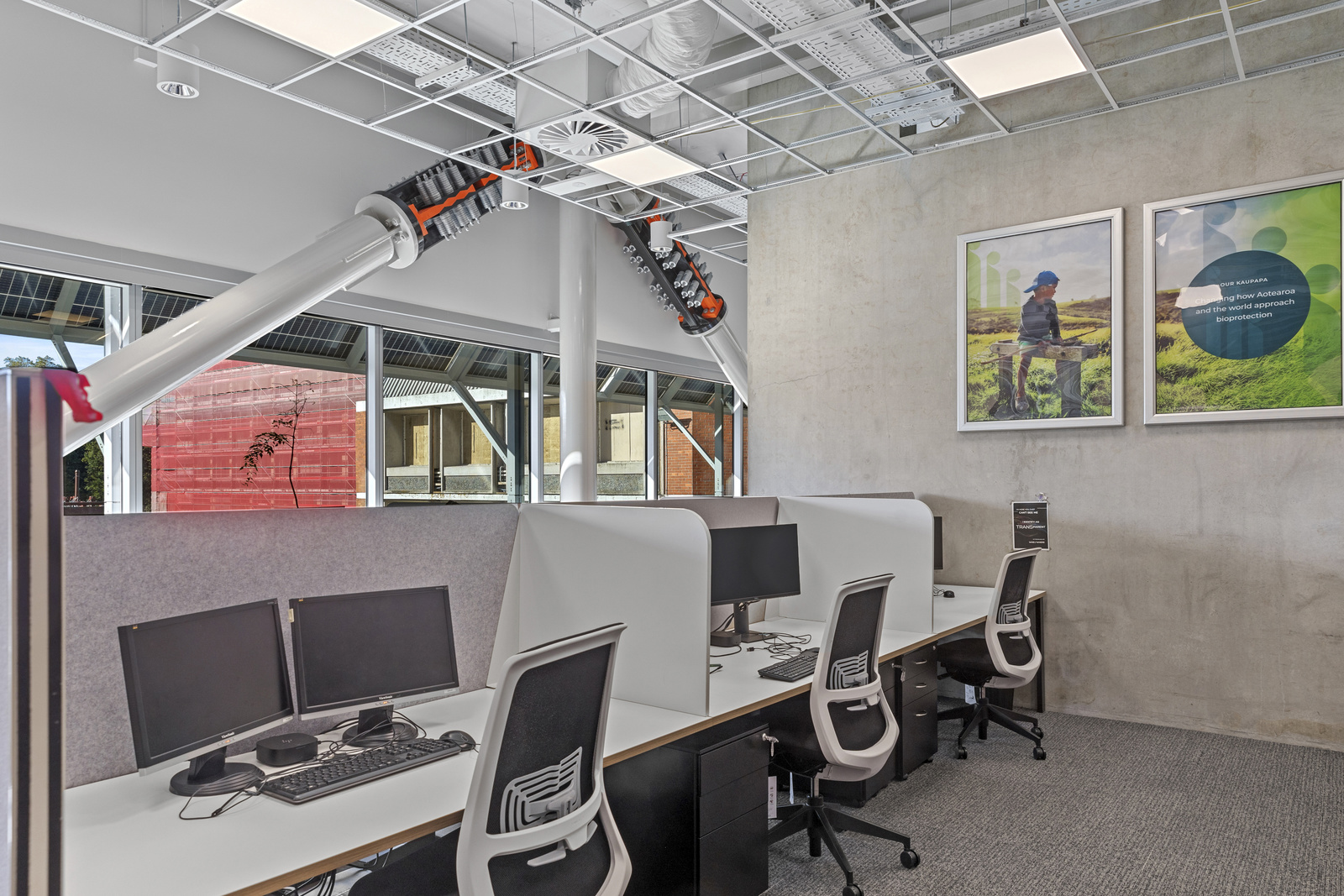
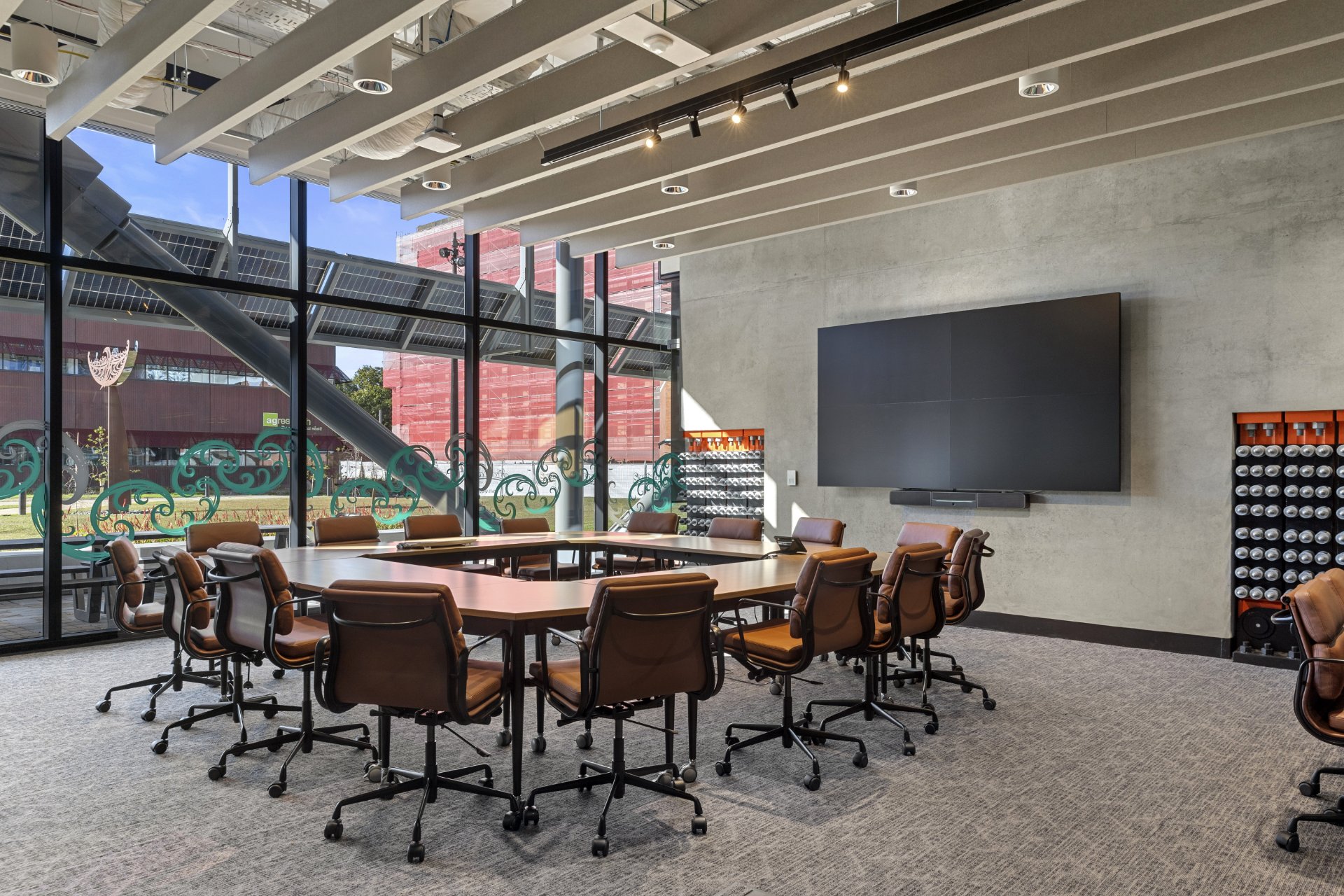
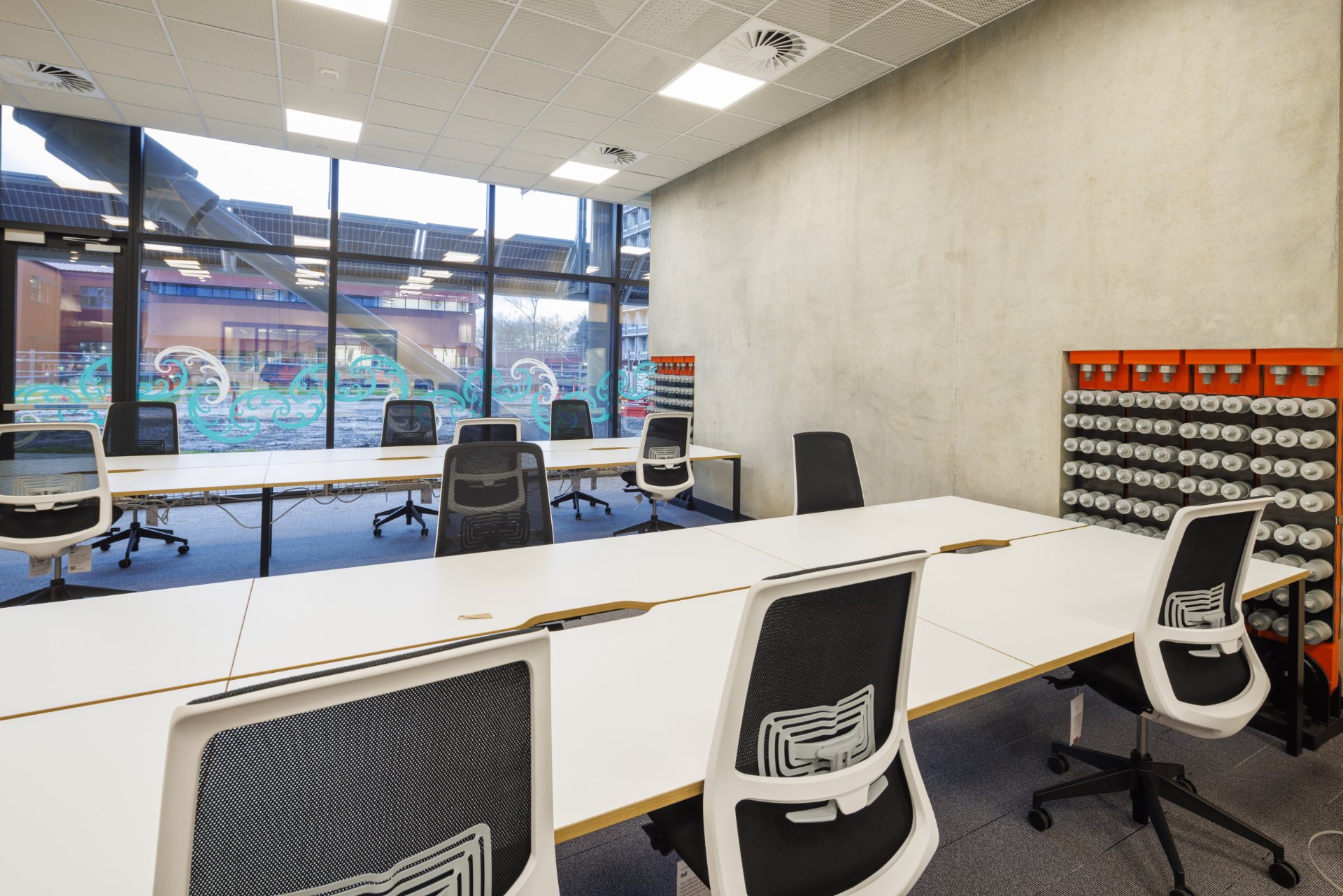
At Waimarie, the devices have deliberately been made visible at the base of walls and ends of braces, giving building users confidence that the building has been designed with safety in mind.
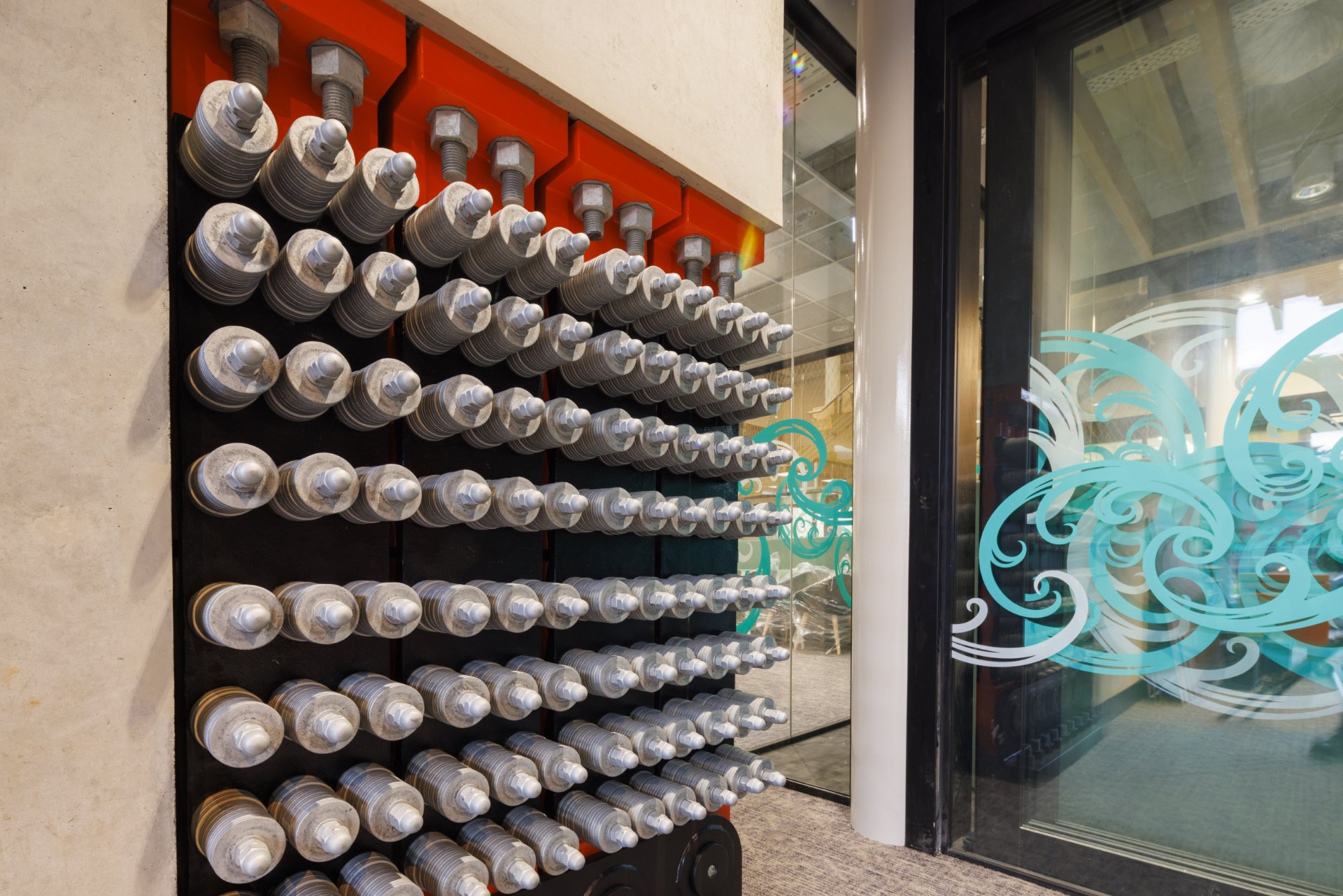
The RSFJS are clearly visible to building users at Waimarie
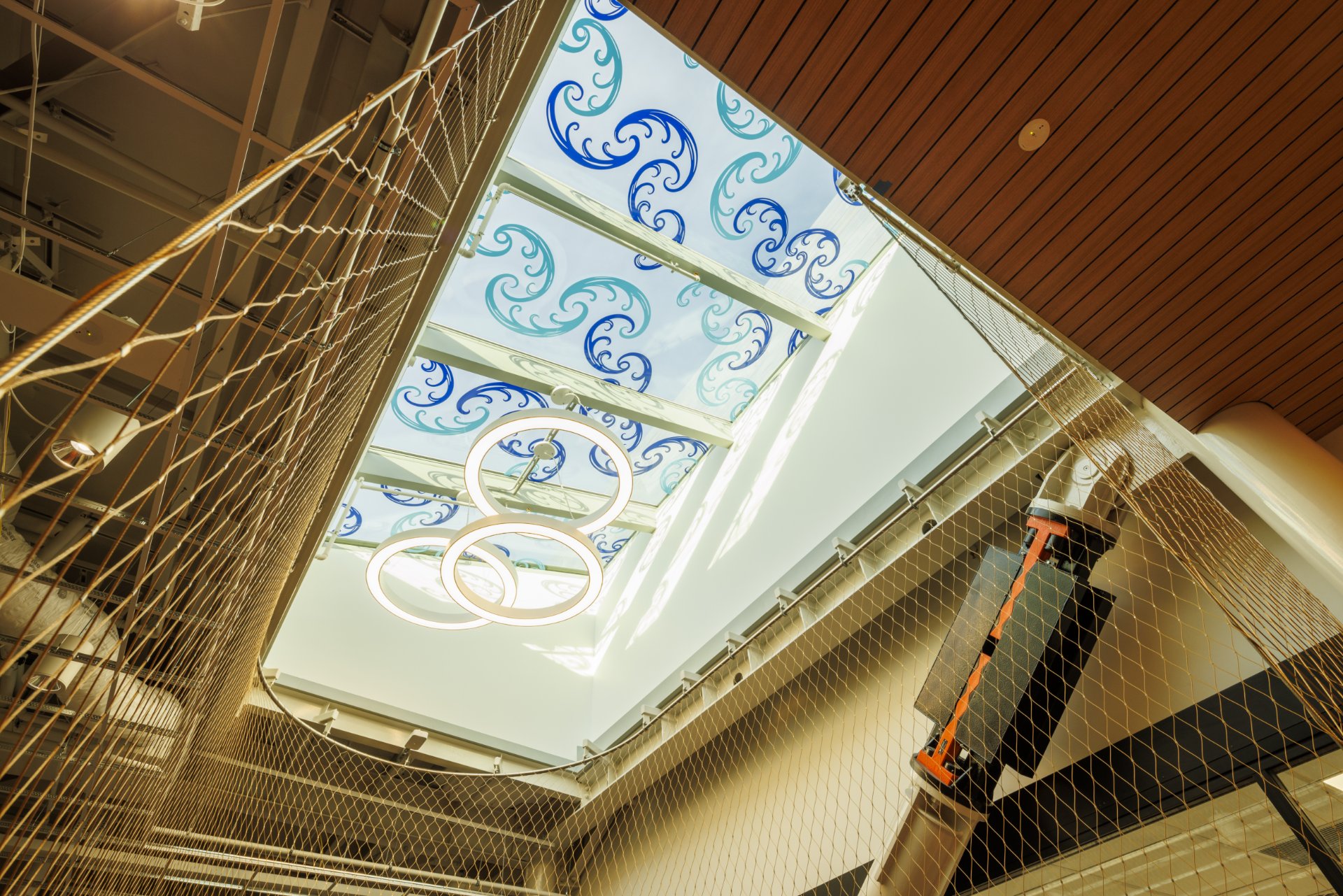
The result is a space where structural columns and walls are integrated into the fitout. Natural light passes through spaces without being obstructed by structural elements.
The building has won several awards including the Building Nations Excellence in Innovation award, which recognised the Beca team’s innovative use of Tectonus RSFJs on the project.
“Lincoln are very pleased with the result. Their Project Manager commented that the structural engineering design team approached this project ‘with the same spirit of innovation, creativity, communication and integration of ideas that the building itself would seek to embody’ and that the introduction of the Tectonus product was an example of ‘the Beca team going above and beyond in providing an alternative idea that came with additional benefits but without adding undue extra costs’. He commented on our timely delivery and technical advice, our collaborative approach, and our commitment and determination to ensure a successful project outcome for all parties,” Samir says.