Our water treatment expertise spans comprehensive wastewater systems, wastewater treatment plants, and industrial wastewater management, providing tailored water treatment solutions and wastewater management backed by decades of industry experience.
Specialists in industrial water treatment and wastewater management
If you’re embarking on a design process for water and wastewater treatment systems, make it seamless and straightforward by allowing our water treatment specialist team to handle it all. That’s everything from definition studies through to process selection and evaluation.
Many of the challenges faced by the water industry revolve around efficiency – energy and financial – and process performance. Water treatment plant managers increasingly ask how to approach handling their facilities more sustainably and recovering valuable resources from the by-products of our liquid and solid waste streams.
Regulatory pressure is another constant. Industrial wastewater in Australia and New Zealand must meet discharge limits set by regional and national environmental authorities. Failure to comply can result in significant fines, as well as damage to surrounding waterways, groundwater supplies, and aquatic life. Our consultants work with clients to map those discharge obligations early and design treatment systems that meet them without over-engineering the fix.
That’s why when evaluating a treatment plant or any other water management facility, we focus on identifying ways to upgrade capacity, extend lifespan, and increase operational efficiency.
With strategic consulting and project management experience of most of New Zealand’s major municipal water treatment projects under our belts, as well as many treatment plants across Australia, Southeast Asia, and the Pacific, we can advise on a wide range of water and wastewater solutions.
Experienced Water Treatment Specialists
Our water treatment team has been delivering consulting services across Australia, New Zealand and the Pacific for nearly 50 years. That depth of experience covers municipal water supply, industrial wastewater treatment, resource recovery, and the design of treatment systems for some of the region's most complex operating environments – from high-growth urban centres to remote industrial facilities.
We work with local councils, water utilities, food and beverage manufacturers, and industrial operators across the region. Our long-standing relationship with Watercare and our role on projects like the Auckland Central Interceptor and the Māngere Biological Nutrient Removal Upgrade reflect the scale and technical complexity our team regularly takes on. In 2023, Beca formalised a Memorandum of Understanding with Black & Veatch, one of the world's leading water infrastructure firms, built on more than five years of collaboration on water projects across Australia and New Zealand.
Beca maintains certification to ISO 9001 for quality management, ISO 14001 for environmental management, and ISO 45001 for occupational health and safety – standards that underpin how we deliver water and wastewater projects across Australia, New Zealand, Southeast Asia, and the Pacific. These certifications are maintained through ongoing independent audit and reflect the governance expectations of the councils, utilities, and regulators we work with.
How We Approach Industrial Water Treatment
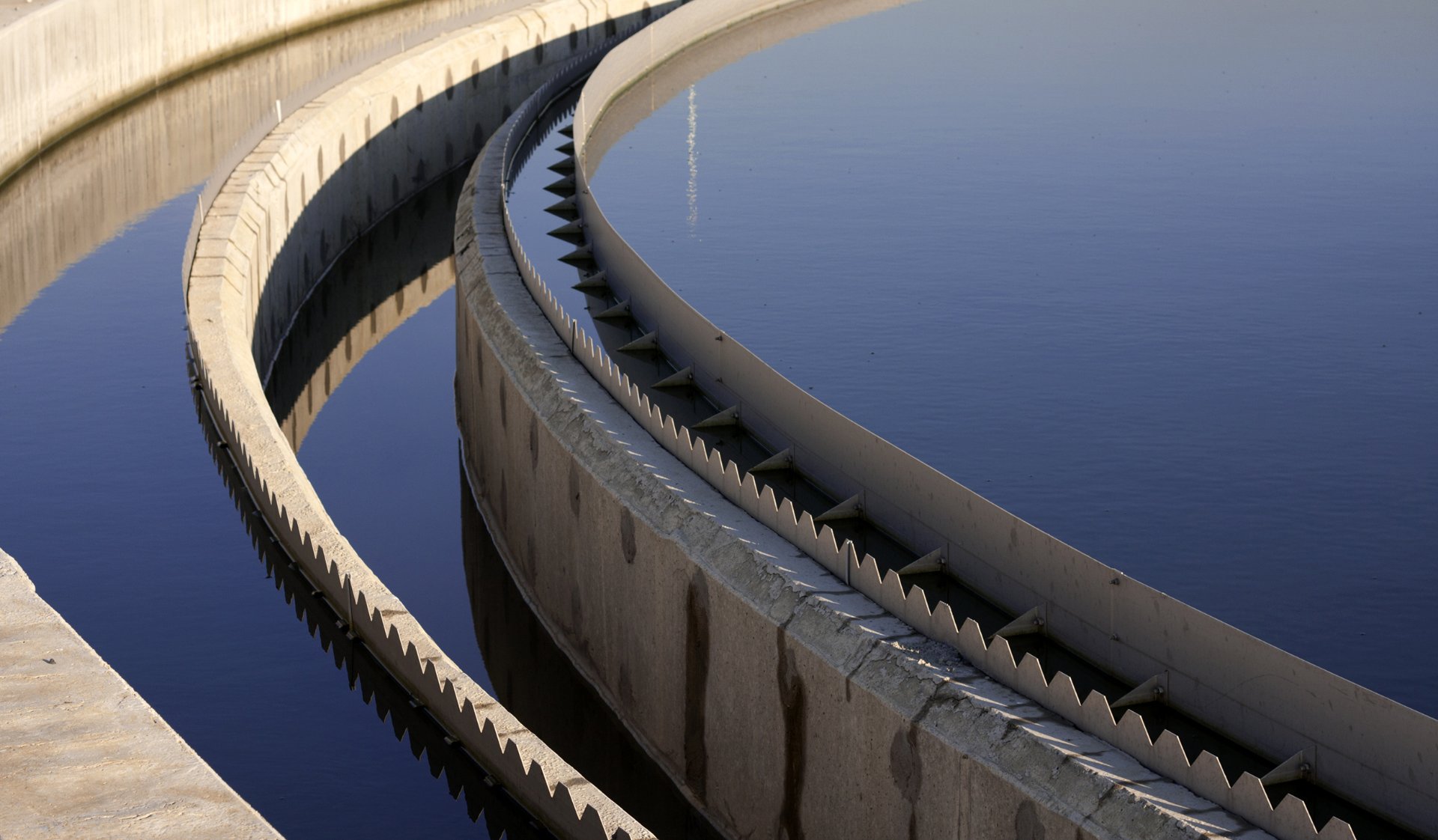
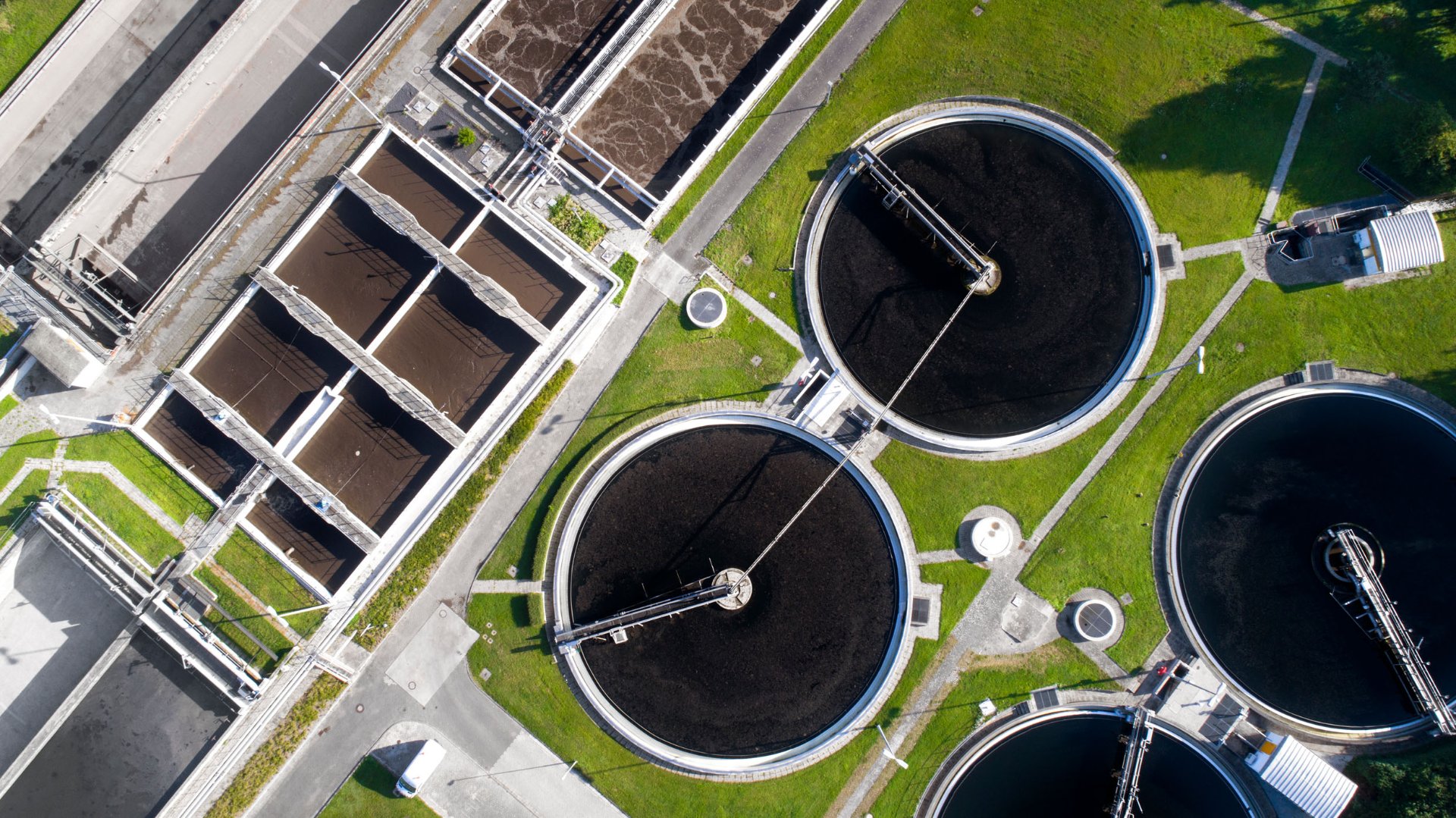
Industrial wastewater treatment starts with understanding what's in your source water. From there, a sequence of physical, chemical, and biological stages is selected and configured to match your specific contaminants and discharge requirements. The treatment technologies chosen at each stage depend on the nature and concentration of contaminants present.
Treatment is typically structured across three stages:
- Primary treatment – Sedimentation separates solids from the liquid stream, allowing heavy particles and floc to settle by gravity and be removed as sludge.
- Secondary treatment – Biological processes target the dissolved organic matter and fine suspended solids that pass through primary treatment, using microbes to break down organic content in the water.
- Tertiary treatment – Applied where discharge standards require further purification, particularly for phosphates, nitrates, or other nutrients.
Beyond these three stages, industrial operations typically call for more targeted treatment:
- Reverse osmosis (RO) – Forces water through a semi-permeable membrane under pressure, a filtration process that removes nearly all dissolved salts and minerals. Well-suited to applications where treated water will be reused on-site.
- Chemical treatment – Processes such as coagulation, flocculation, neutralisation, and ion exchange address specific contaminants at different points in the treatment sequence. Commonly used in food processing, metal finishing, and other industries where wastewater contains high loads of suspended solids or reactive compounds.
- Disinfection – Chlorination, ultraviolet (UV) light, or ozonation destroys pathogens and other harmful microorganisms before treated water is discharged or reused. Applied at the final stage of treatment, particularly where effluent will enter public waterways or be recycled for agricultural or commercial use.
Our consultants select and configure the right combination of these methods based on your incoming wastewater quality and discharge requirements. Where on-site process water reuse is a viable option, we factor that into the treatment design from the start.
Industrial Sectors We Serve
Food and beverage processing generates high organic loads. Dairy operations produce wastewater with significant fat, protein, and nutrient content. Metal processing and mining can produce effluent with elevated concentrations of heavy metals. Chemical manufacturing may introduce complex organic compounds, acids, and other toxic materials.
Our team has worked across these sectors and understands that the right treatment configuration starts with a clear picture of what is in the water. From there, we assess incoming wastewater quality, identify the contaminants that matter most for your discharge consent, and design or evaluate treatment systems accordingly.
Planning and Strategy
Master Planning and Growth Forecasting
Our master plans for water developments allow for growth while supporting high service levels to clients and the people in communities.
Master plans typically address both current capacity shortfalls and long-range demand projections, accounting for population growth, changes in industrial load, and tightening discharge standards. The output gives councils and operators a clear basis for capital investment decisions and consent strategy over a 20- to 30-year horizon.
Forecasting and Assessments
Our growth forecast and capacity assessments determine and anticipate future infrastructure needs.
These assessments draw on demographic data, land use planning inputs, and operational records to model how demand on your water or wastewater system is likely to change – and at what point your current infrastructure will reach its limits.
Sustainable Energy and Resource Recovery
Sustainability Advice
We advise on the feasibility of biogas and other sustainable fuels for power generation and heating, helping reduce energy consumption and carbon emissions.
Biogas recovery from wastewater treatment is one of the more practical ways treatment plants can offset their energy costs. Our Christchurch Biosolids Drying Facility project demonstrated how renewable fuel sources can be integrated into a treatment facility's energy centre – in that case producing a nutrient-rich end product from what was previously considered a difficult waste material.
Opportunities for Reuse
We identify treated wastewater reuse opportunities, such as irrigation for agriculture, golf courses and commercial facilities.
Water recycling reduces demand on freshwater sources and can significantly lower operating costs for industries that consume large volumes of process water, reducing overall water consumption across the operation. Recent trends across manufacturing and food processing have been to minimise wastewater production at the source and, where that's not fully achievable, to treat and reuse as much of the wastewater stream as possible within the production process itself.
Systems Design and Optimisation
Treatment System Design and Optimisation
We design high performance water treatment systems, including recommendations down to the part level (pumps, filters, air blowers, etc.).
Our design work covers the full sequence from concept and process selection through to detailed design and part-level specification. Where your operations involve highly variable incoming water quality – as is common in food processing and dairy – we design systems with the flexibility to handle that variability without compromising discharge compliance.
Computer Simulation Service
Our simulations support day-to-day operation and training, with upgrade options to optimise your plant efficiency and performance.
Process simulations let operators test how a plant will respond to changes in load, seasonal variation, or process upsets – before those situations arise in practice. This reduces commissioning risk on new builds and gives existing plant operators a tested reference point for managing their facility day to day.
Water Safety and Environmental Protection
Recycled Water Quality
Our recycled water systems reduce contaminants like heavy metals, nutrients, nitrogen, and organic matter.
Industrial water discharges that reach receiving water bodies without adequate treatment can carry heavy metals, excess phosphates, nitrates, and biological contaminants that damage aquatic ecosystems and trigger regulatory action. We identify the specific contaminant profile of your discharge and design the treatment response to match your consent conditions.
Environmental Management
We reduce pollutants and protect aquatic life, groundwater supplies and ocean environments from harmful wastewater discharge.
Effective environmental management starts well before a treatment system is designed. We work with clients to understand their obligations under applicable environmental legislation – including New Zealand's Resource Management Act and state and federal EPA frameworks in Australia – and to identify where existing operations carry the greatest risk of non-compliance.
Water Engineering
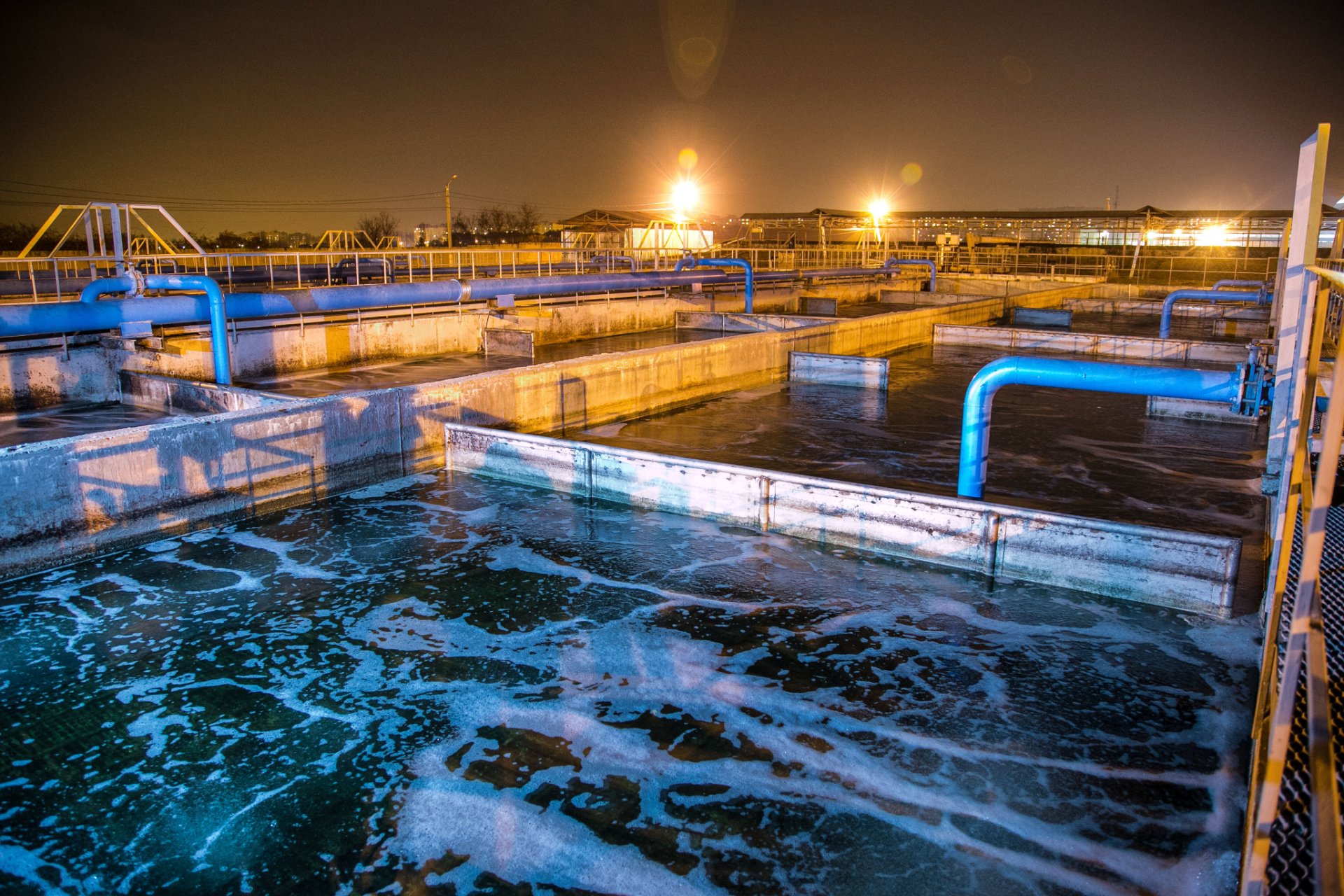
Talk to our water engineers for solutions tailored to your specific problem, regardless of size or complexity. From solving challenges around water pollution and water cycle management to the design of pumping stations and sewage systems, our water consultants are here to bring safe water to your next project.
Our engineering services cover the full range of water and wastewater conveyance infrastructure – gravity sewers, rising mains, pump stations, river intake structures, and treated water pipelines. We provide multi-disciplinary design across civil, mechanical, and electrical elements, and can support construction, commissioning, and operational testing through to project handover.
Water Infrastructure
Our water infrastructure specialists handle installations large and small, urban and rural. With deep knowledge of the water sector spanning nearly 50 years, our team has the expertise to deliver purpose-built water infrastructure and waste treatment systems that make efficient and sustainable use of our planet’s most precious natural resource.
Our infrastructure work covers asset condition assessment, capacity upgrades, and the integration of new treatment infrastructure with existing water systems and networks. For greenfield developments, we plan water and wastewater infrastructure early in the project lifecycle, before design decisions downstream make changes costly.
Water Resources Management
Tell us about your water resources management challenges and the result you want to achieve. Whether your biggest issues are to do with groundwater or surface water, allocation or recovery, industrial or human – we’ll help you solve them with customised strategies that are both cost-efficient and environmentally sound.
Our team understands how resource management frameworks operate across Australia and New Zealand, and can support clients through the consenting process as part of a broader project engagement.
Industries We Serve
Industrial wastewater varies considerably in character depending on how it is produced. No two industries generate the same waste stream, and treatment systems need to be configured around the specific contaminants your operations produce.
Municipal and Utilities
Municipal water and wastewater treatment sits at the intersection of public health and long-term infrastructure planning, with environmental compliance shaping both. Population growth, ageing assets, and discharge standards all add pressure to systems that are already running hard to keep up with demand for safe to drink water.
We have worked alongside councils, water utilities, and government agencies across Australia, New Zealand, Southeast Asia, and the Pacific on projects ranging from master planning and consent strategy through to the design and upgrade of wastewater and drinking water treatment plants serving tens of thousands of people. Our experience across New Zealand's major municipal water treatment projects gives us a practical understanding of the pressures councils operate under, and what realistic solutions look like.
Food and Beverage
Food and beverage processing generates wastewater with high organic loads from sugars, starches, fats, and cleaning chemicals entering the waste stream during production. These loads can vary significantly across a single production day, which places real demands on treatment system design and requires careful management to maintain treated water quality within consent limits.
Our consultants understand the operational realities of food and beverage facilities and design treatment systems that can handle variable influent quality without falling out of compliance during peak production periods.
Dairy
Dairy processing produces some of the most nutrient-rich and organically complex wastewater of any food industry. Fat, protein, lactose, and cleaning agents all contribute to a waste stream that requires careful management to meet discharge limits for nutrients and biological oxygen demand.
New Zealand and Australia's dairy sectors are among the most significant in the world, and we have worked with producers and processors across both countries on treatment systems designed around the specific demands of dairy operations.
Mining and Resources
Mining and resources operations can produce wastewater with elevated concentrations of heavy metals, suspended solids, acids, and other compounds that require specialist treatment before discharge or reuse. The remote locations of many mining sites add the further complexity of treatment systems needing to function with limited on-site technical support.
We design and evaluate treatment systems for mining and resources clients that address the specific contaminant profile of the operation and meet applicable discharge consent conditions, while remaining practical to operate and maintain in the field.
Industrial Manufacturing
Industrial manufacturing covers a wide range of manufacturing processes, each generating wastewater with its own contaminant mix. Chemical manufacturing may introduce complex organic compounds and reactive substances. Metal fabrication, finishing and processing can produce effluent with heavy metal loads. General manufacturing often generates wastewater with oils, greases, and suspended solids that require grease removal and pre-treatment before discharge to sewer.
We work with manufacturing plants of all sizes and configurations. Our consultants assess the specific wastewater characteristics of your manufacturing process and identify the treatment configuration – whether chemical, physical, biological, or a combination – that meets your discharge requirements at the lowest practicable cost.
Case Studies and Awards
Auckland Central Interceptor
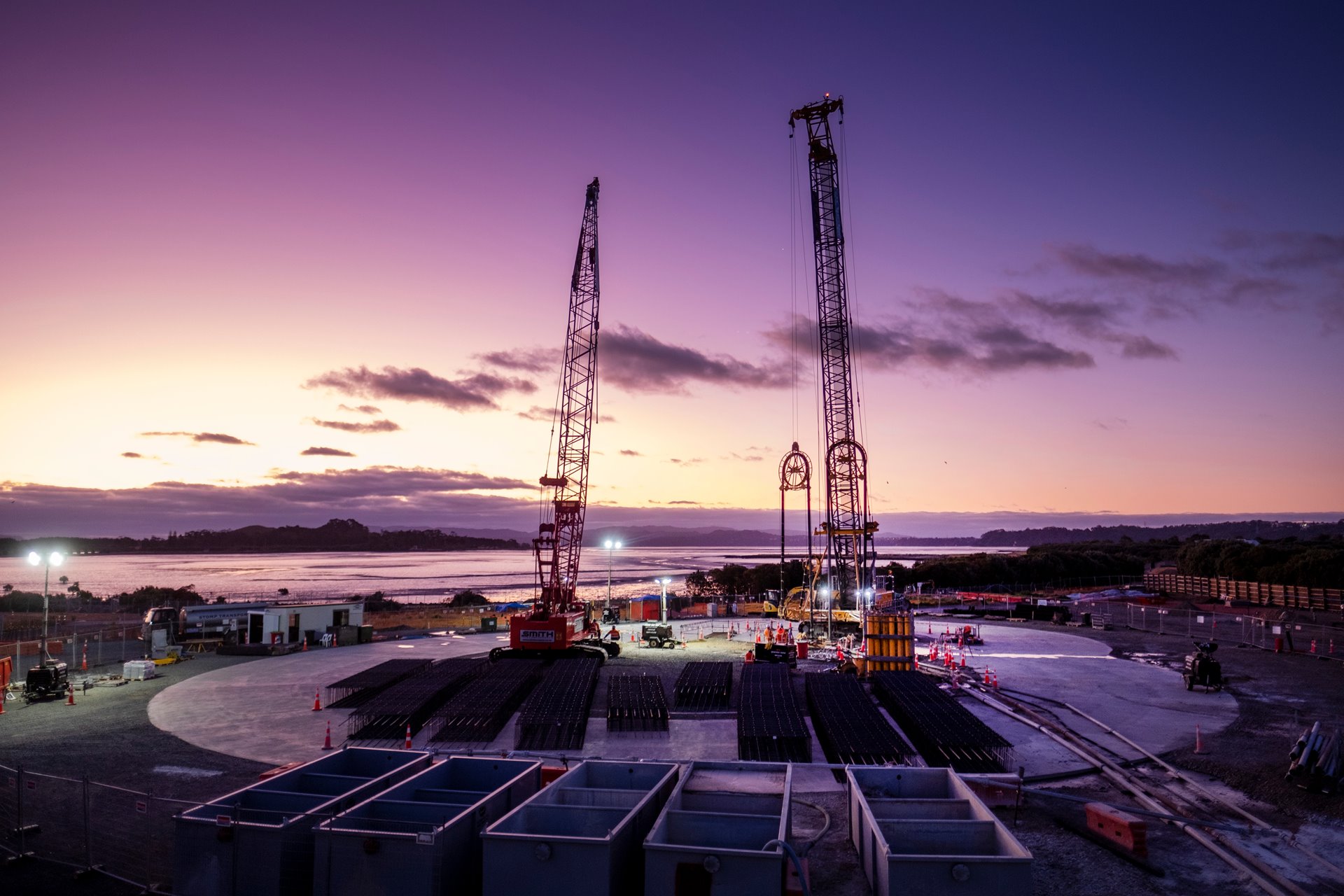
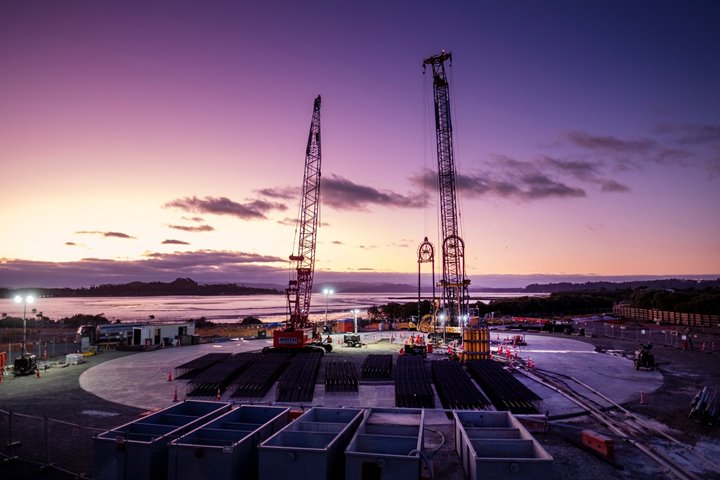
Beca provided wastewater, sustainability and engineering services on this $1.2B project, expected to reduce wastewater overflows into Auckland's waterways by about 80%.
Project Highlights
- 13km tunnel length & 4.5m diameter
- 200,000m³ tunnel storage capacity
- Targeting an Excellent rating under the ISCA Infrastructure Sustainability Rating Tool
Māngere Biological Nutrient Removal Upgrade
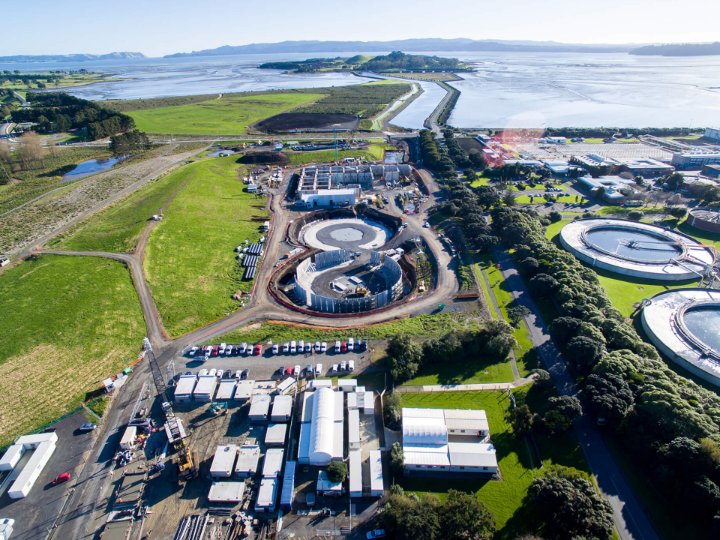
Beca supported the $136M expansion of the Māngere wastewater treatment plant, introducing biological nutrient removal to meet Watercare's environmental discharge conditions.
Project Awards
- Gold Award at the 2019 ACENZ Awards
- Best Project over $100 Million at the 2018 CCNZ Hirepool Construction Excellence Awards
- Best Public Works Project over $5M at the 2018 IPWEA Excellence Awards
Timaru District Wastewater Strategy
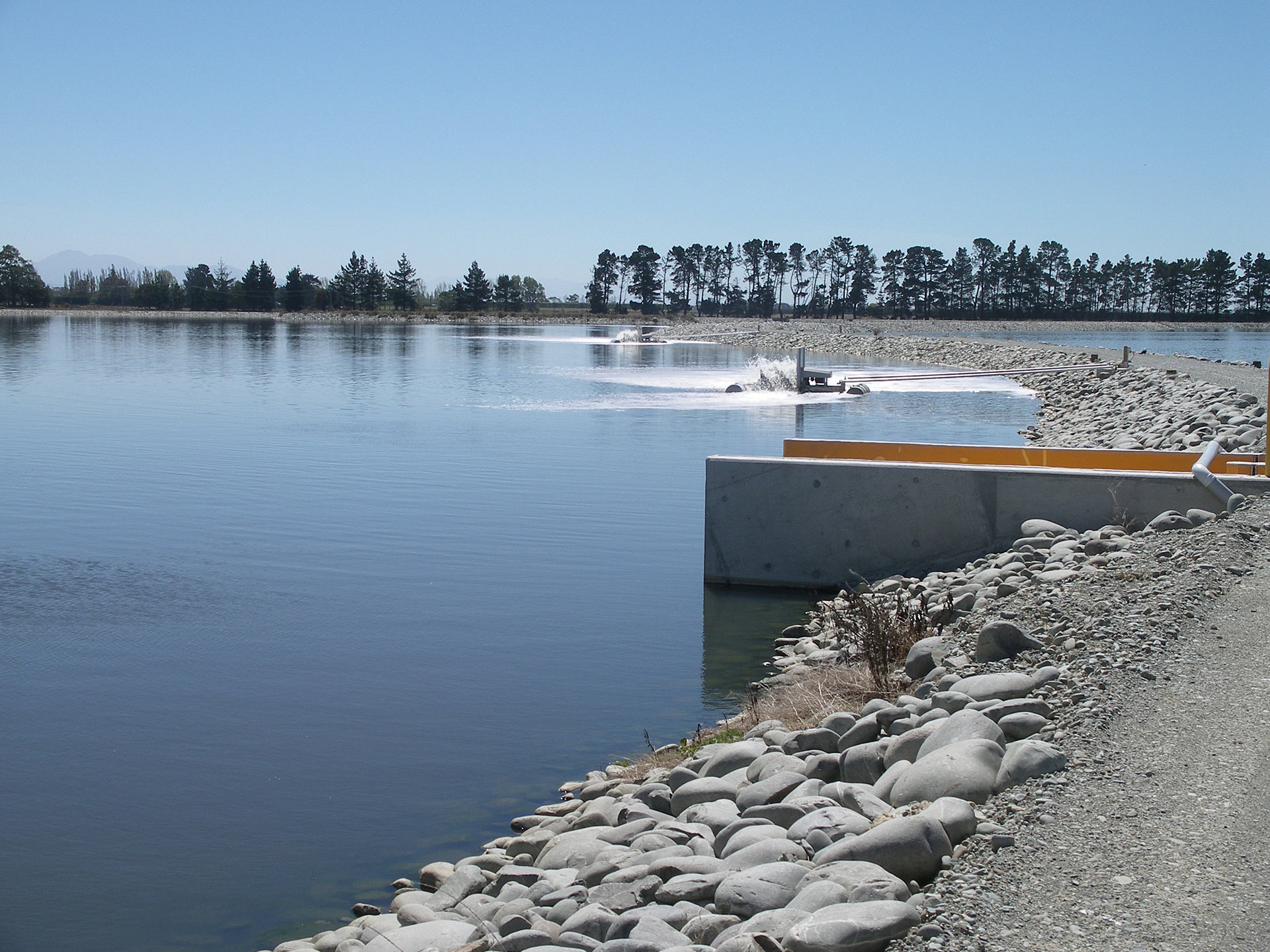
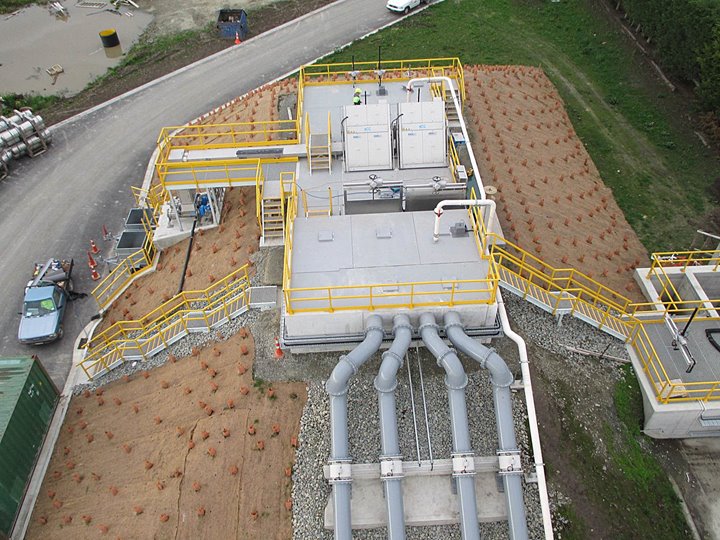
Beca partnered with Timaru District Council over 17 years to transform the district's wastewater system, upgrading treatment plants across four communities.
Project Awards
- Water Category Winner at the 2017 IPWEA Australasian Excellence Awards
- Silver Award of Excellence at the 2016 ACENZ Innovate Awards
- Excellence in Strategic Planning at the 2016 IPWEA NZ Awards
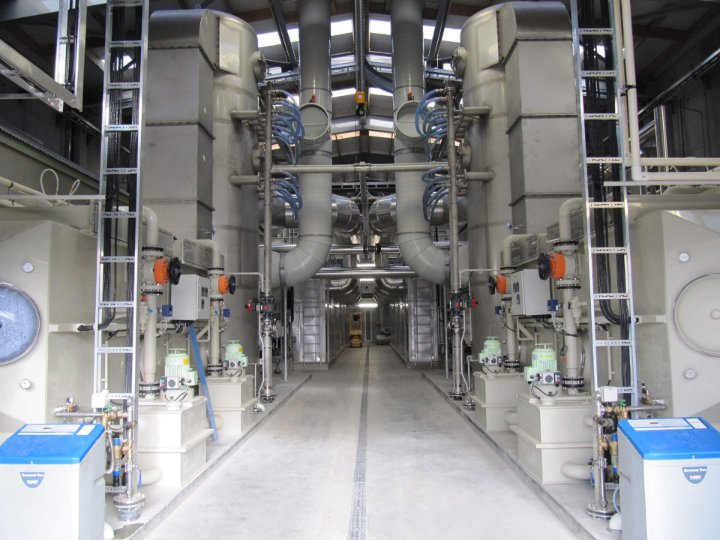
Christchurch Biosolids Drying Facility
Beca delivered design and contractor coordination for Australasia's first large-scale thermal belt drying plant, converting biosolids into a nutrient-rich product using 100% renewable fuel.
Project Awards
- Resource Efficient Design Award at the 2014 New Zealand Engineering Excellence Awards
- Silver Award of Excellence at the 2012 ACENZ Innovate NZ Awards
- Hynds Paper of the Year Silver Award at the 2010 Water NZ Awards
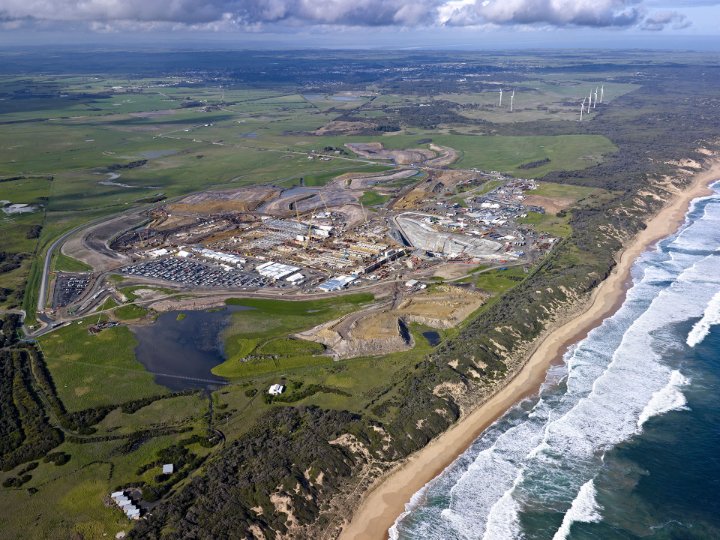
Victorian Desalination Plant
Beca provided multidisciplinary engineering design on this A$3.5B reverse osmosis facility near Melbourne – one of the largest desalination plants in the world.
Project Awards
- Desalination Plant of the Year at the 2013 Global Water Intelligence Global Water Awards
- Infrastructure Project Innovation Award at the 2013 Australian Water Association Victorian Water Awards

Nauru Sustainable and Resilient Urban Development Project
Beca delivered detailed engineering design for Nauru's first reticulated water supply system and a new wastewater treatment plant that will connect 55% of homes to clean piped water.
Project Highlights
- Solid waste composting and recycling facilities
- Organic waste lagoons and sludge drying beds
- Expected to benefit the Nauruan community for 40+ years
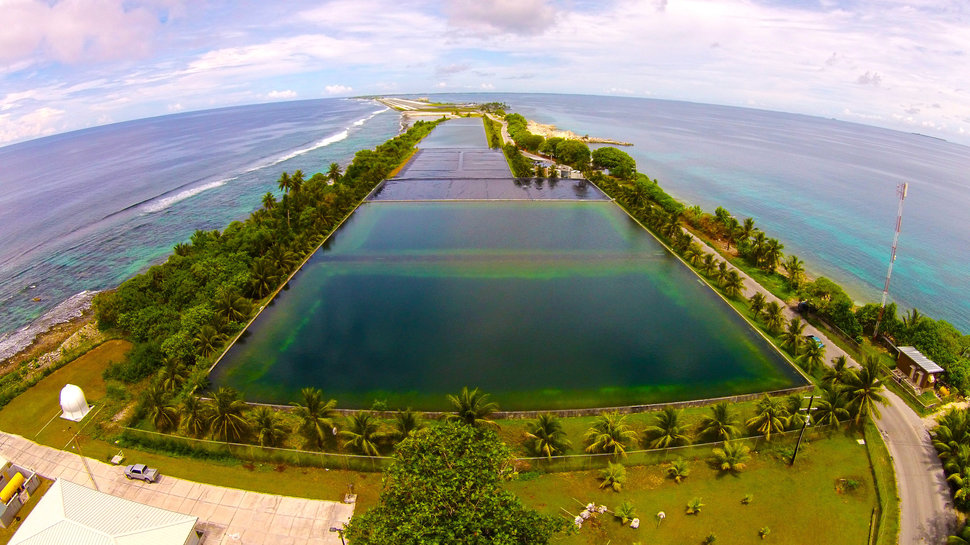
Beca adds value to our Joint Venture, bringing deep local knowledge and expertise, especially in the areas of hydrogeology and consenting processes. They are also playing a critical role in setting up everything required to achieve the ISCA rating.
Francesco Saibene, Ghella Abergeldie JV
Auckland Central Interceptor
The plant’s overall performance to date has demonstrated the Council made the correct choice in selecting the solution. The innovative use of ‘green energy’ to fuel the plant has provided Christchurch City with a cost-effective and environmentally sound solution to what was previously considered a waste problem.
Mark Christison, Christchurch City Water and Waste
Christchurch Biosolids Drying Facility
The development of the strategy and the timely completion of the work programme has been achieved with the very professional assistance and inputs of Beca. The Timaru District Council is now the proud owner of a modern wastewater treatment and disposal system.
Ashley Harper, Timaru District Council
Timaru District Wastewater Strategy
You did an excellent job providing the information in a digestible format for the non-technical people in the audience.
TasWater representative
Launceston Sewer Model
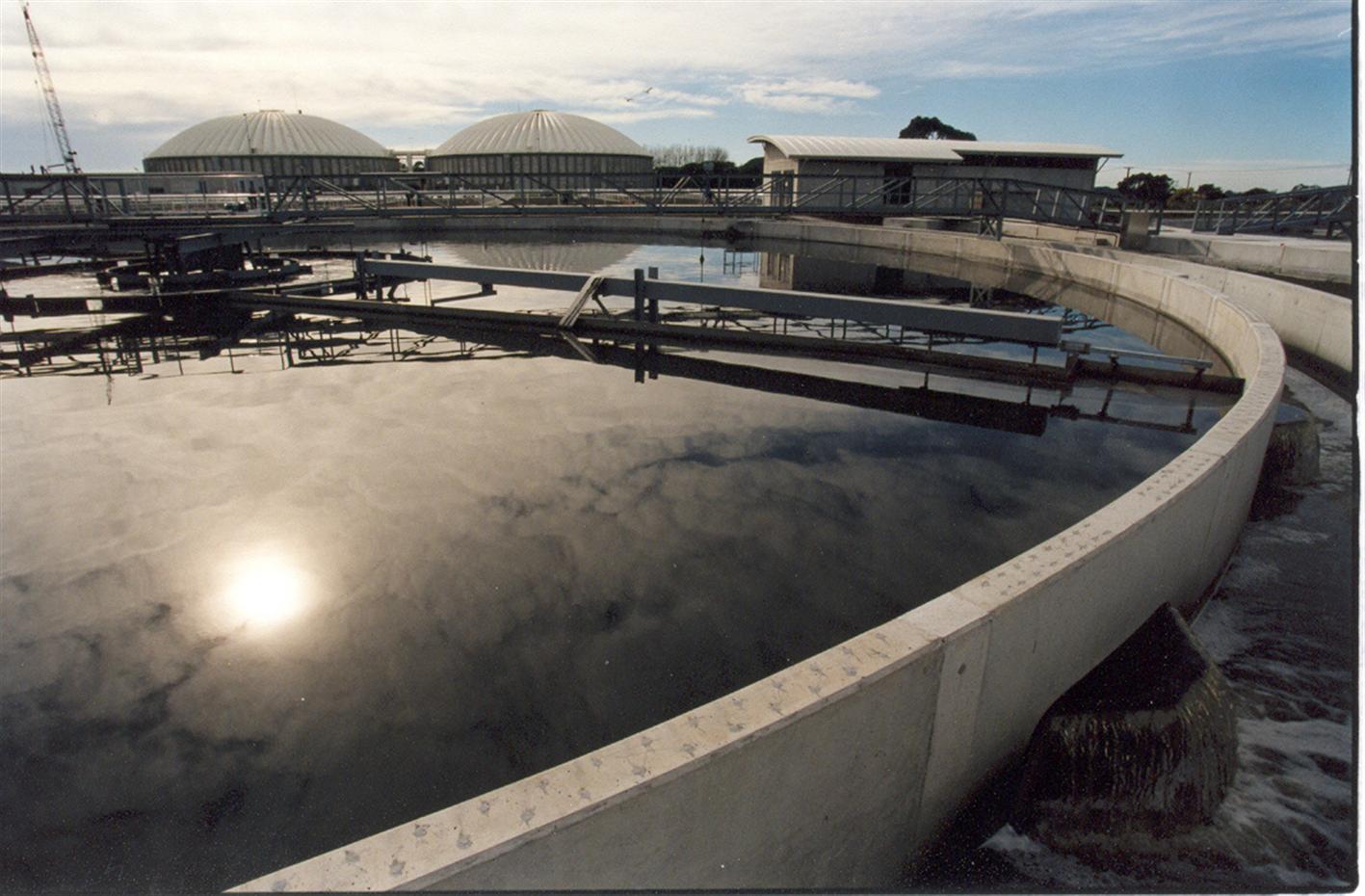
Work with our water treatment specialists
Contact our consultants today to discuss tailoring to your specific needs and environmental objectives for your water and wastewater treatment.
Join our water team
We’re looking for innovative professionals to deliver sustainable water solutions within a collaborative, people‑focused culture. Ready to make a splash?