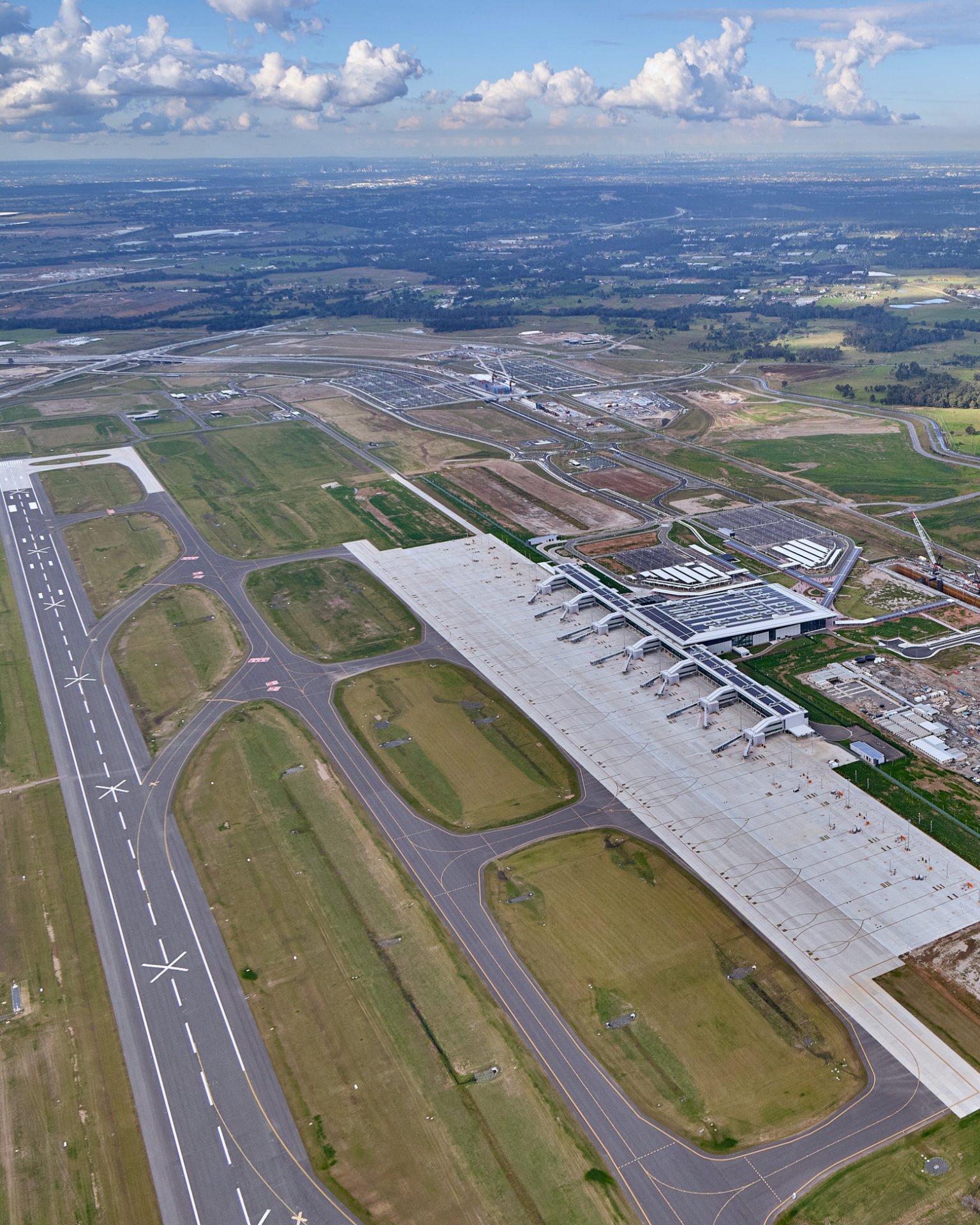
Western Sydney International (Nancy-Bird Walton) Airport (WSI) is Sydney’s new international gateway, creating new aviation capacity for Sydney and supporting the growth of one of the country’s fastest-growing regions.
Creating infrastructure for future generations
Now open to cargo and passenger flights, WSI is driving investment, creating jobs and supporting long-term economic growth across the region. Operating without a curfew, it is providing a 24-hour gateway for passenger, freight and logistics movements, unlocking new opportunities for businesses, tourism and trade.
Together with major transport investments, including the Sydney Metro connection, the airport is improving access to employment, tourism and business opportunities while strengthening Western Sydney's role as a major economic hub.
Market Lead – Airports & Aviation Craig Downey says. “We’re incredibly proud to have contributed to this generational project. Our team thoroughly enjoyed bringing our aviation expertise to the apron design, and we really valued working closely with BMD, MPX and the broader Western Sydney Airport team”.
Supporting client outcomes
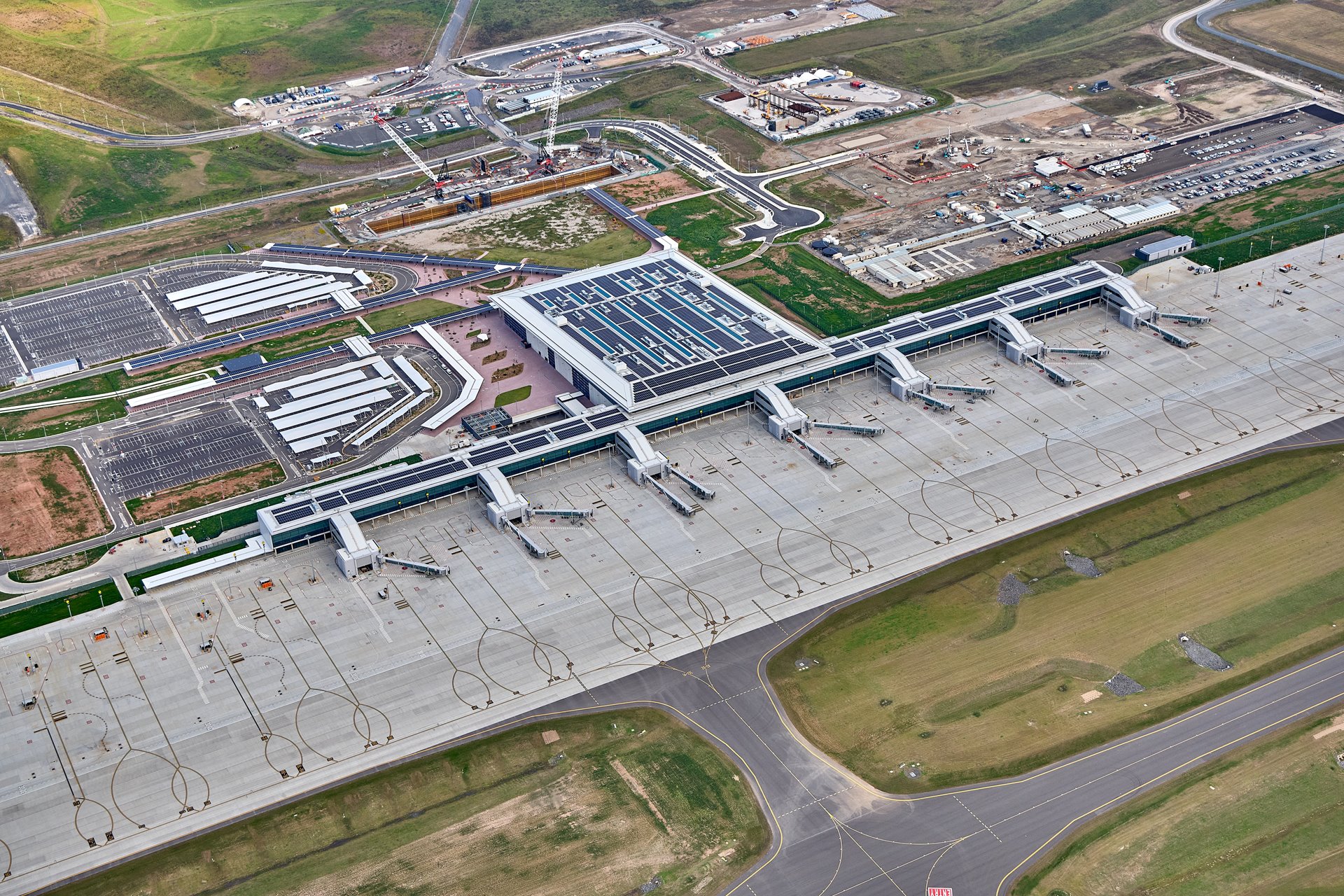
Beca played a key role in the design and delivery of WSI’s aircraft apron and associated airside civil and utility infrastructure, providing the critical link between the terminal, taxiways and runway.
Working closely with our client BMD, Multiplex, and the broader WSI project team our specialist team delivered the apron pavement design including stormwater drainage, utilities civil reticulation, bespoke structural solutions for aircraft apron to terminal foundation interfacing, and high mast lighting foundations. Beca also provided construction support and technical advisory services throughout the 2-year delivery period to assist BMD in constructing the infrastructure to meet rigorous Australian and international aviation standards.
The completed apron includes 13 aircraft stands, including seven contact stands connected directly to the terminal by aerobridges. Spanning approximately 135,000 square metres, the apron has been designed to accommodate a wide range of aircraft, including wide body aircraft such as the Airbus A380, Boeing B787 Dreamliner and B777-9, while providing flexibility for future airport expansion.
Future growth was embedded into the airport’s design from day one. While the initial development will support around 10 million passengers annually, the broader site has been planned to accommodate up to 80 million passengers. Beca designed the apron infrastructure, services and interfaces with this long-term vision in mind, to enable efficient expansion as aviation demand increases.
Collaboration driving success
Delivering a new international airport required close collaboration across a complex infrastructure program. With the terminal, runway, taxiways and apron being delivered concurrently, careful coordination between contractors, designers and project partners was essential to maintain programme, quality and operational requirements.
Working across multiple project interfaces, Beca collaborated closely with the broader delivery team to respond to evolving requirements, manage construction constraints and deliver a high-quality outcome. Drawing on expertise from across Beca’s aviation team, the project combined domestic, and international knowledge and experience to deliver a complex aviation infrastructure.
A lasting legacy
For the Beca team, Western Sydney International Airport represents a once-in-a-generation opportunity to contribute to infrastructure of national significance.
“My youngest daughter proudly tells her friends, ‘My dad built Western Sydney International Airport.’ I have to remind her I didn’t build all of it, but I’m incredibly proud to have played a part.” Says Matt Hunt, Technical Director, Airport Engineering.
We are proud of our contribution in the design of the aircraft apron providing the critical connection between the terminal, taxiways and runway. The result is future-ready infrastructure that will support the airport’s operations and growth for decades to come.
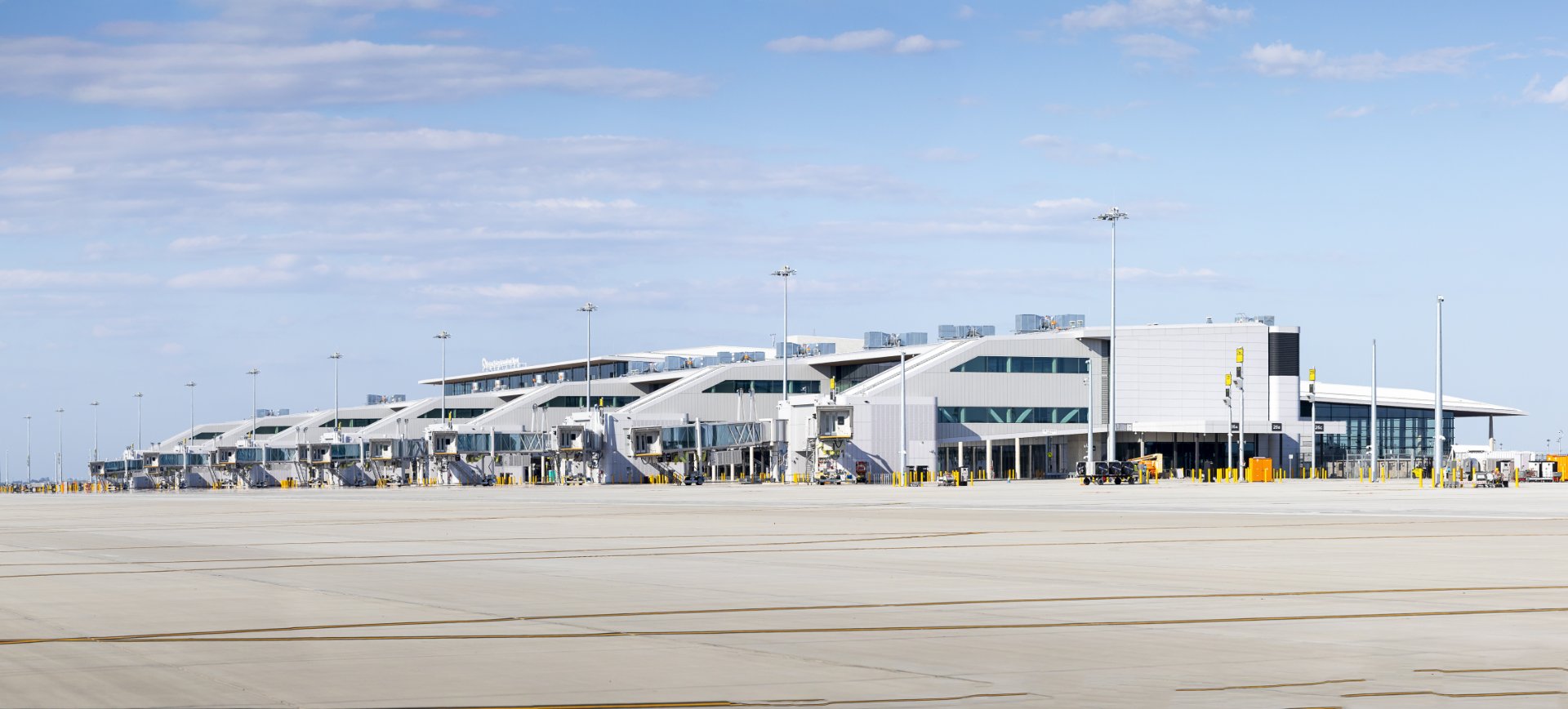
Terminal B view from runway (credit Multiplex)
Australia's first major greenfield international airport in 50+ years
24-hour international gateway for Sydney
Designed to grow from 10 million to 80 million passengers annually over the next four decades