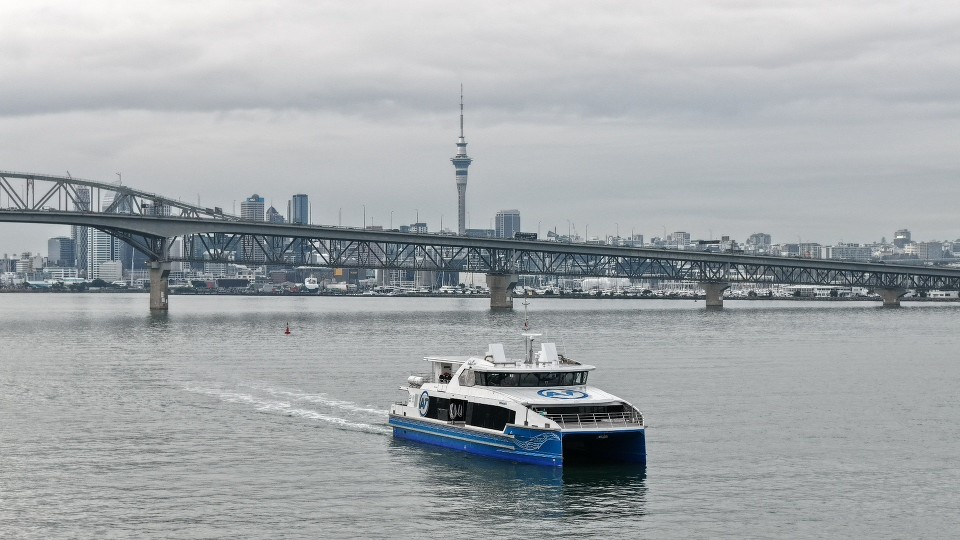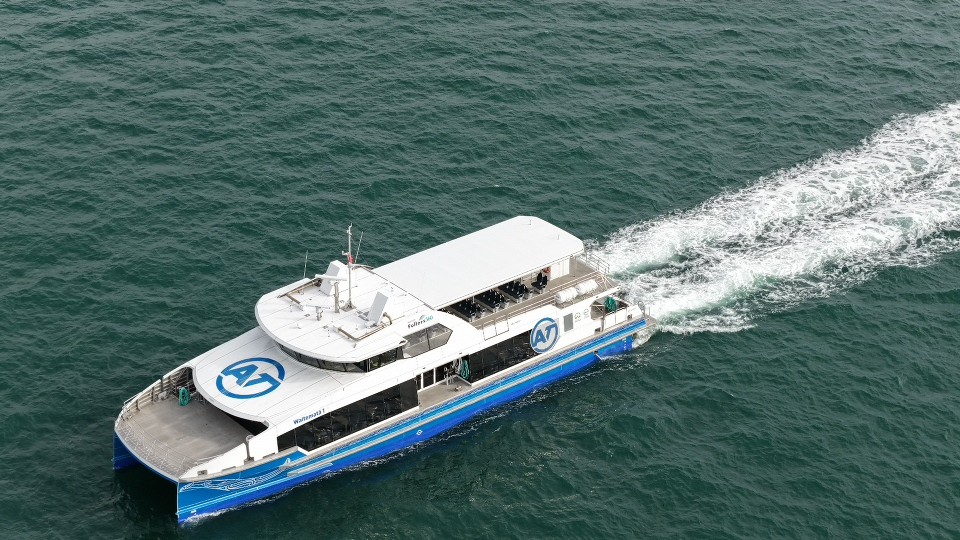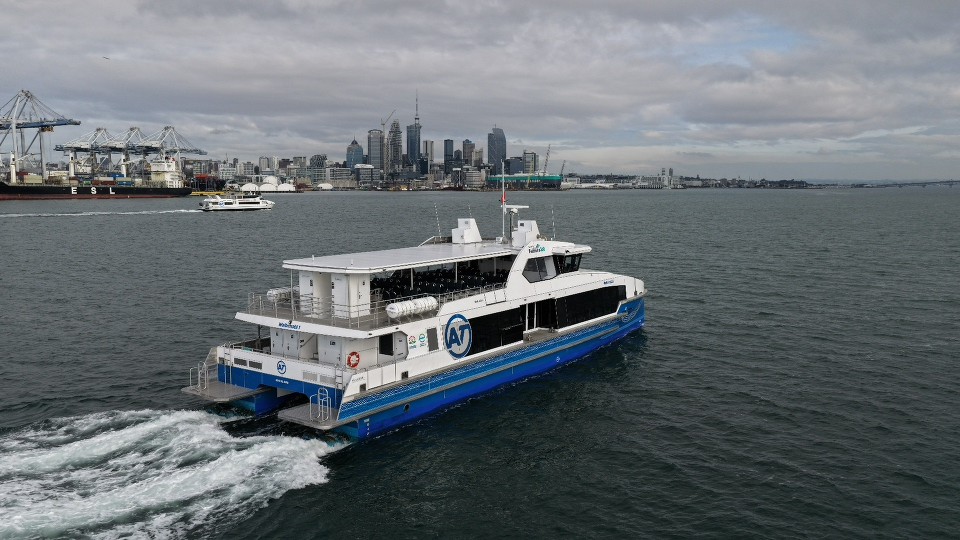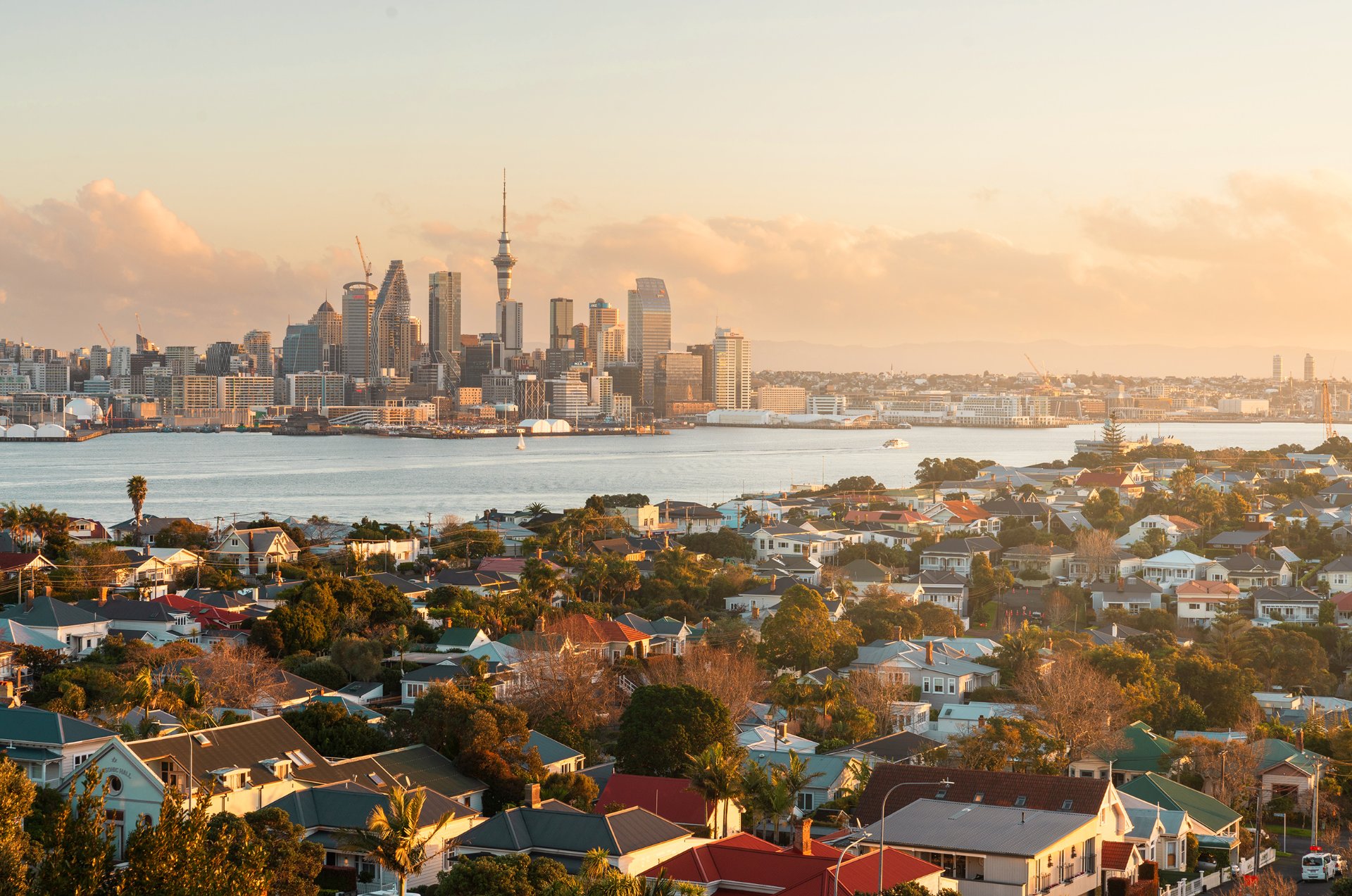
As Auckland Transport continues to electrify its public transport fleet, the first of its electric-hybrid ferries, Waitematā 1, began serving passengers on the Auckland-Devonport route in June 2026.
Low-emission ferries
Ferries make up just 6% of Auckland’s public transport network yet contribute about 20% of public transport emissions, so transitioning to electric is an important part of Auckland Transport’s long-term plan to create a cleaner, quieter public transport fleet. In the near term, a mix of electric, hybrid and diesel vessels will be required as Auckland moves through this energy transition period.
Auckland’s current ferry fleet, which is largely operator-owned, includes a range of vessels operated by four ferry operators. Most were built in the 1990s and early to mid-2000s, and more than half will need to be replaced over the next decade.
As part of this transition, Auckland Transport is looking to make it easier for ferries to move between ferry operators and routes through direct fleet ownership. So far this has involved the purchase and refurbishment of a number of diesel ferries, plus the procurement of new ferries including two electric vessels and two hybrid vessels.
Creating the charging infrastructure
To support the introduction of electrically powered ferries, Auckland needs to introduce fast ferry charging at key berths, with charging capacity of up to 3.3MW. Upgrades of the Half Moon Bay Ferry Terminal to provide a reliable and efficient charging system for the new ferries were completed in 2025 and work is under way at the Downtown Ferry Terminal (initially for three berths and potentially up to nine berths as the electric fleet grows).
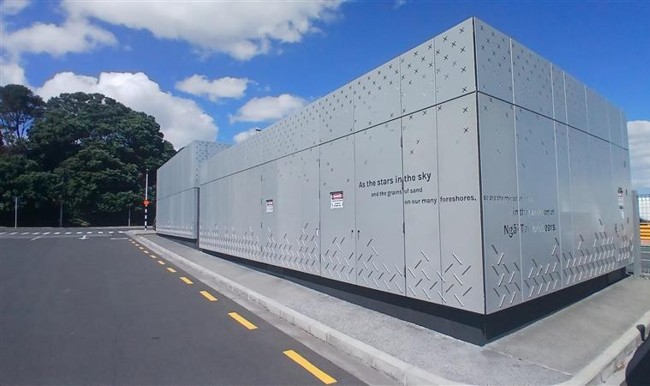
The Half Moon Bay charging infrastructure.
Beca is leading a team including key partner Tonkin + Taylor to provide Auckland Transport with the integrated design, consenting and construction monitoring required for the landside infrastructure. The chargers and associated components are being provided by ABB, Zinus and built by Singer Electric and Brian Perry Civil.
“The chargers are much like an electric car charger, but much more powerful and extremely fast. They can charge the ferry while passengers are getting on and off. A top-up charge is delivered in 4-10 minutes (depending on the ferry type and the route used), with a full charge taking approximately 20 minutes,” Beca Technical Director – Ports & Coastal Engineering Will Ingle says.
Auckland Transport has adopted the international standard Megawatt Charging System (MCS) specific for ferry charging to ensure compatibility between these first ferries and chargers and further stages of the project.
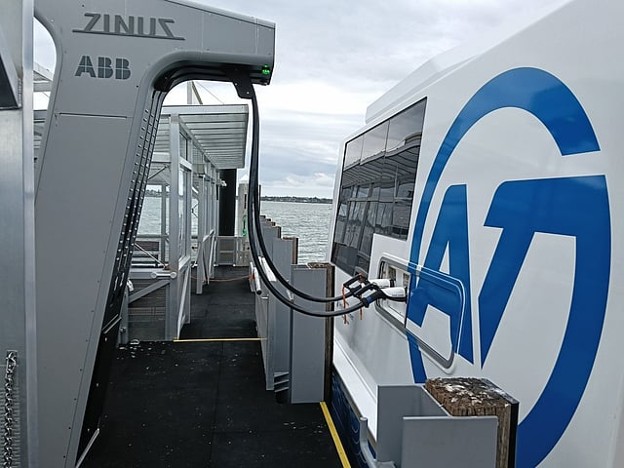
Charge tower and MCS plugs connected to new ferry at Half Moon Bay. Photo: EV Maritime
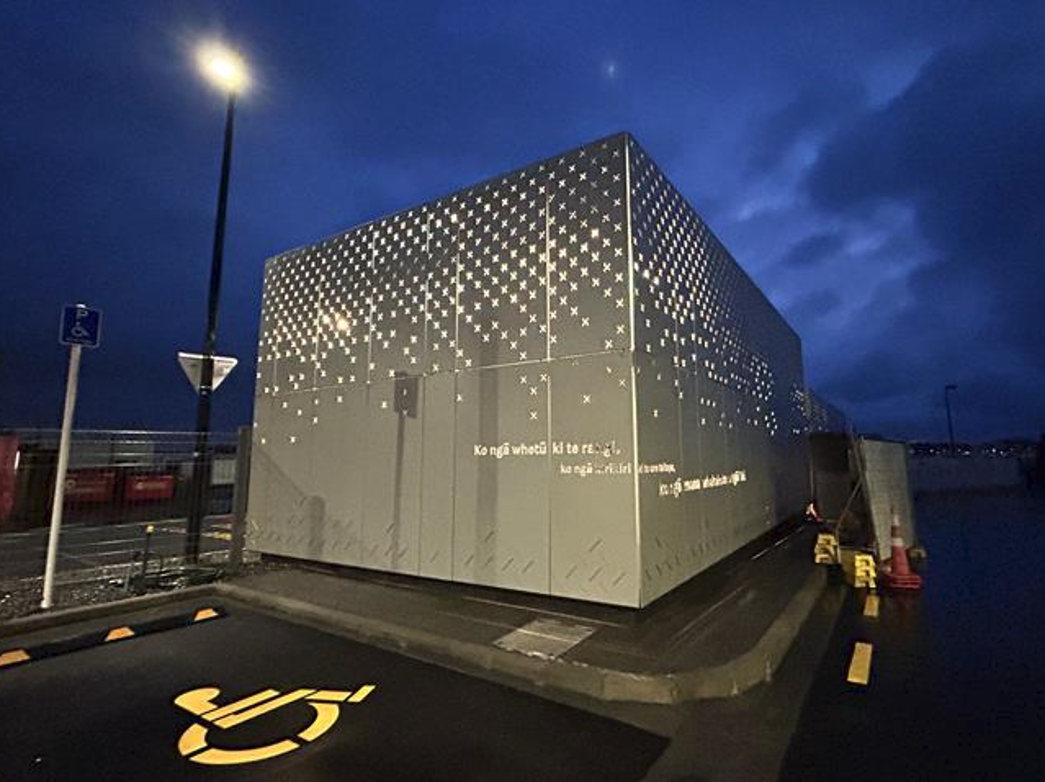
“What most people see is the charger, but there's a lot of infrastructure thinking behind it. We had to consider everything from power network upgrades and underground cabling through to whether the existing jetties and pontoons could safely support the new equipment. The most visible part will be a 4-8-metre-high building housing equipment such as transformers and chillers, which has been designed with cladding featuring artwork and storytelling developed with mana whenua,” Will says.
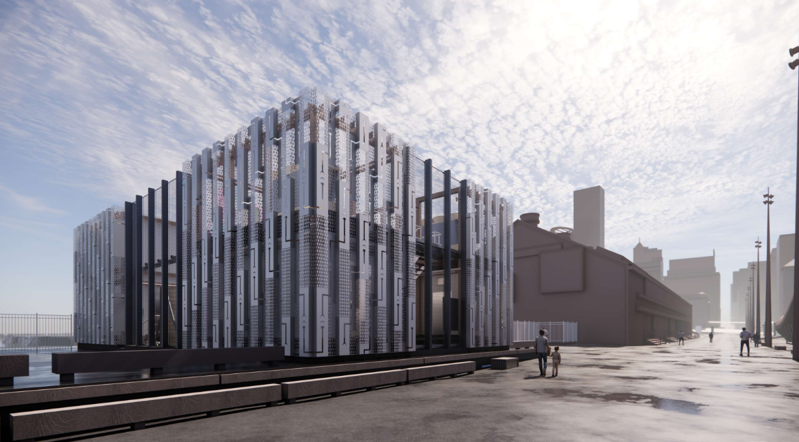
An architectural render of the downtown ferry charging infrastructure on Queens Wharf.
“Of course, when Auckland’s wharves were first designed many years ago, electric ferries and their associated infrastructure were not thought of. Retrofitting the infrastructure has been a fascinating challenge – including getting agreement from the numerous stakeholders and working around all of the existing infrastructure in busy downtown Auckland,” Beca Project Director Iain Sutherland says.
“The Beca team have really enjoyed the opportunity to work on a project that is both technically challenging and highly innovative. The complexity of the project has brought together specialists from across the business, including architecture, coastal and marine engineering, structural engineering, electrical systems and sustainability. That breadth of expertise has allowed us to support Auckland Transport across a wide range of project needs while working together to solve some genuinely interesting challenges,” Will says.
Over the course of 2026, upgrades of the pontoons at Hobsonville Point and Beach Haven are under way to allow larger capacity ferries, including future electric and electric-hybrid ferries, to also berth there.
Months of rigorous testing, training and sea trials are completed before each ferry is brought into service.
The two fully electric ferries have been built at the McMullen & Wing shipyard in Auckland. They were designed and integrated by EV Maritime using HamiltonJet propulsion technology. The two electric-hybrid ferries were built at the Q-West boatbuilding yard in Whanganui. They were designed by Incat Crowther and include HamiltonJet propulsion, energy storage systems and electrical integration.
“We have had the opportunity to try one out and I can say that these new electric-hybrid ferries are very quiet – it’s a much more pleasant ride. You just glide along the water without the noise and vibration of a diesel engine and can really appreciate the tranquility of being out on the Waitematā. The improved accessibility onboard allows for a seamless experience for passengers with mobility challenges compared to the older traditional ferries; there’s more room for passengers as well as storage for bicycles, scooters and prams. It’s a great way to travel around Auckland,” Iain says.
The second electric-hybrid ferry is expected to arrive in Auckland later in 2026 and join the ship already operating on the busy Devonport route.