
Here for Yesterday, Today and Tomorrow.
Your trusted integration partner for the future of Tāmaki Makaurau Auckland.
Since 1920, Beca has been woven into the story of Tāmaki Makaurau: working alongside central and local government, the private sector and investors as the region grows, reforms, rebuilds and reimagines itself. Through shifts in policy, leadership and public expectation, for over 100 years we’ve supported decision‑makers facing the same enduring challenge: how to make choices today that honour the past and set Auckland up for a stronger, more resilient future.
That challenge has never been more complex. Infrastructure networks are under pressure, climate adaptation can no longer be deferred, and communities are asking for solutions that improve everyday life while protecting what makes this place unique. Government agencies are expected to move with speed, steward public value, and coordinate across systems that weren’t always designed to work together, while business and investment are looking for stability, certainty and growth-focused strategies. The work is urgent. But it also demands continuity, context and long-term stewardship.
This is where Beca contributes something distinctly useful: integration. We help leaders see the whole picture, connect the moving parts, and align decisions across transport, water, housing, resilience, economic growth, funding pathways and community outcomes. Our people bring deep institutional knowledge of Auckland; its projects, its politics, its histories, its iwi partnerships, its communities, because we’re part of this region too. He tāngata nō konei mātou.
Rather than adding te ao Māori thinking at the edges, we integrate principles such as kaitiakitanga and kotahitanga from the start, and with Māori experts, strengthening both the process and the outcomes.
Today, our role is to help government and business leaders weave resilient infrastructure, thriving communities and sustainable growth into one coherent future for Tāmaki Makaurau, grounded in the lessons of yesterday, delivered with clarity today, and built to endure tomorrow.
Auckland is at a turning point.
Infrastructure & mobility
Auckland’s infrastructure networks are absorbing more pressure than ever. Congestion is no longer just a transport problem — it’s a whole‑of‑system issue shaping productivity, public trust, climate emissions, and the day‑to‑day experience of living and working in the region. Every government agency with a mandate in Tāmaki Makaurau feels this pressure differently: transport agencies face mounting expectations for reliable movement; local government is balancing maintenance backlogs with major upgrades; central government is driving national policy shifts that impact regional delivery; and communities are demanding that decisions made today actually improve their lived reality.
What makes this moment challenging is not a lack of ideas. There is no shortage of plans, business cases, preferred routes, mode‑shift strategies or future transport scenarios. The real challenge is stitching them together — integrating land use with transport, transport with climate commitments, funding with sequencing, and delivery with real‑world constraints. Every decision sits within a web of interdependencies that can accelerate or stall progress.
To unlock meaningful change, central and local government need to move in true alignment, supported by iwi partners, industry capability, and streamlined investment pathways. Auckland’s congestion problems are not owned by any single entity — and they will not be solved by isolated interventions. Integrated leadership is required to bring clarity to priorities, build durable social licence, and sequence programmes in a way that delivers visible improvement while keeping long‑term ambitions intact.
Right now, Auckland is at a turning point where decisions made in the next five to ten years will shape mobility, access and regional cohesion for generations.
Climate resilience & coastlines
Climate resilience is no longer a future challenge for Auckland, it’s a present one. Severe weather events have tested infrastructure, disrupted communities, damaged homes and shifted the public’s expectations around what “preparedness” should look like. Coastlines are retreating, stormwater systems are under strain, and risk profiles are changing faster than the planning frameworks designed to manage them. Government agencies are being asked to provide clarity in uncertainty: where can we build, how should we protect, what do adaptation pathways look like, and how do we honour obligations to communities and mana whenua?
The difficulty isn’t a lack of technical expertise or scenario modelling. It’s integration, aligning national policy, regional planning, Māori values, and the practical realities of funding and phasing. Climate decisions cut across portfolios: environment, housing, transport, infrastructure, emergency management, finance. If these aren’t aligned, adaptation becomes piecemeal and reactive, eroding public confidence and slowing momentum at the very moment speed and clarity are needed.
In Tāmaki Makaurau, climate resilience must also reflect te ao Māori perspectives of whakapapa, kaitiakitanga and long-term stewardship. This means planning not just for immediate risks, but for generational impacts, recognising that adaptation is not simply an engineering task, but a social and cultural one.
Auckland now has an opportunity to shift from reactive recovery to proactive resilience. That shift demands integrated leadership across central and local government, iwi, industry experts and communities. Without alignment, climate resilience will remain a patchwork of disconnected efforts. With it, Auckland can build a coherent adaptation strategy that protects people, strengthens place, and prepares the region for a changing climate.
Housing & growth
Housing and population growth sit at the heart of Auckland’s long-term prosperity, yet both remain constrained by fragmented systems and misaligned incentives. Central government prioritises national consistency, regulatory clarity and affordability outcomes. Local government must balance growth with infrastructure capacity, spatial strategy, community expectations and environmental impacts. Developers and investors need certainty. And communities expect that growth will enhance, not erode, the places where they live.
The core issue isn’t ambition. Auckland has had bold visions for decades: transit-oriented development, density done well, regeneration in areas with high future value, integrated transport and housing corridors. The challenge is integration; making sure the sequencing of infrastructure actually supports where growth is encouraged, aligning regulatory settings with deliverability, and ensuring iwi and community voices shape decisions from the outset rather than late in the process.
Funding constraints intensify the pressure. Without clear, multi-year alignment between central government commitments, council budgets, and developer investment cycles, even the best housing strategies lose momentum. The result is familiar: stalled precincts, frustrated communities, rising costs, and slow delivery.
But Auckland is at a point where the region cannot afford fragmented effort. Housing and growth must be treated as interconnected systems supported by integrated transport plans, climate-resilient infrastructure, fair funding models, and iwi partnerships centred on place and whakapapa.
True progress will come from shared priorities, streamlined decision-making ,public + private funding initiatives and integrated leadership that sees housing not as a standalone challenge, but as the backbone of a thriving Tāmaki Makaurau.
Economic momentum & public confidence
Auckland’s economic momentum is finely balanced. The region remains the engine of Aotearoa’s economy, yet its competitiveness is increasingly shaped by the speed and coherence of government decision-making. Productivity is constrained by congestion, infrastructure gaps, climate disruption, and uncertainty around long-term investment pathways. Businesses, investors and communities are watching closely, assessing whether Auckland can deliver the stability and direction required for growth.
Public confidence is equally critical. When the public sees fragmented decisions, slow delivery or unclear priorities, trust erodes. This makes it harder for government agencies to secure social licence, advance major projects, or maintain the momentum needed to attract investment. Conversely, when government acts cohesively; central and local, iwi and industry, confidence grows, enabling faster progress and better outcomes.
The challenge isn’t a shortage of economic strategies. It’s integrating them. Economic development depends on transport decisions, housing supply, climate resilience, skilled workforce planning, visitor economy settings, digital infrastructure, and long-term funding approaches. These are often held by different agencies with their own mandates, pressures and timeframes.
For Auckland to regain momentum, integrated leadership is essential: joined-up economic priorities, aligned investment signals, and collaborative governance with iwi, industry and communities. This alignment strengthens public trust, demonstrates stewardship, and provides the confidence investors need to commit to Tāmaki Makaurau’s next chapter.
Auckland is at a turning point where economic performance and public confidence will rise or fall on the strength of collective decision-making. Now is the moment for cohesion, clarity and coordinated leadership across the system.
From decisions to delivery
Government leaders do not need another consultant.
They need a partner who can reduce risk early, coordinate complex interests, and carry programmes from policy through to delivery across decades and political cycles.
This is Beca’s role in Tāmaki Makaurau.

Deep Auckland identity
A century headquartered here, with relationships and insight grounded in Tāmaki Makaurau’s people, politics, places and priorities

Credible, resilient delivery
Transparent, evidence based delivery that protects public trust and keeps programmes steady through scrutiny and change

Decision‑led integration
We help leaders define the real problem early, align agencies, and surface risks before decisions go public

Future smart thinking
Climate, digital, systems and global practice combined with local insight to shape long term, future ready decisions


On the ground across Tāmaki Makaurau
He mahi tūhono kei te whenua. Integration proven in real projects
Across Tāmaki Makaurau, the most significant public decisions are no longer about single assets or isolated upgrades. They are about how transport, housing, climate resilience, growth and economic outcomes connect across agencies, communities and long term planning horizons.
The Supporting Growth Alliance has required government agencies to work together on future transport corridors and long term designations, creating a shared blueprint that aligns with how the region will grow. The Shoreline Adaptation Programme has shown that climate resilience only works when technical analysis, community partnership and Māori values are brought together into one pathway. Early work on City Rail Link demonstrated the value of deep technical foresight, future ready planning and decisions that look decades ahead rather than one political term. And across civic and place projects, from the University of Auckland to Wynyard Quarter to city centre activation, the lesson repeats. Integration creates momentum, improves consentability, and allows delivery partners to move with confidence.
These projects prove that Auckland progresses fastest when leadership is aligned and agencies are working toward shared outcomes. They also show the practical ways Beca helps government bring clarity, discipline and durable integration to programmes that shape the region’s future.
See the projects shaping Auckland’s future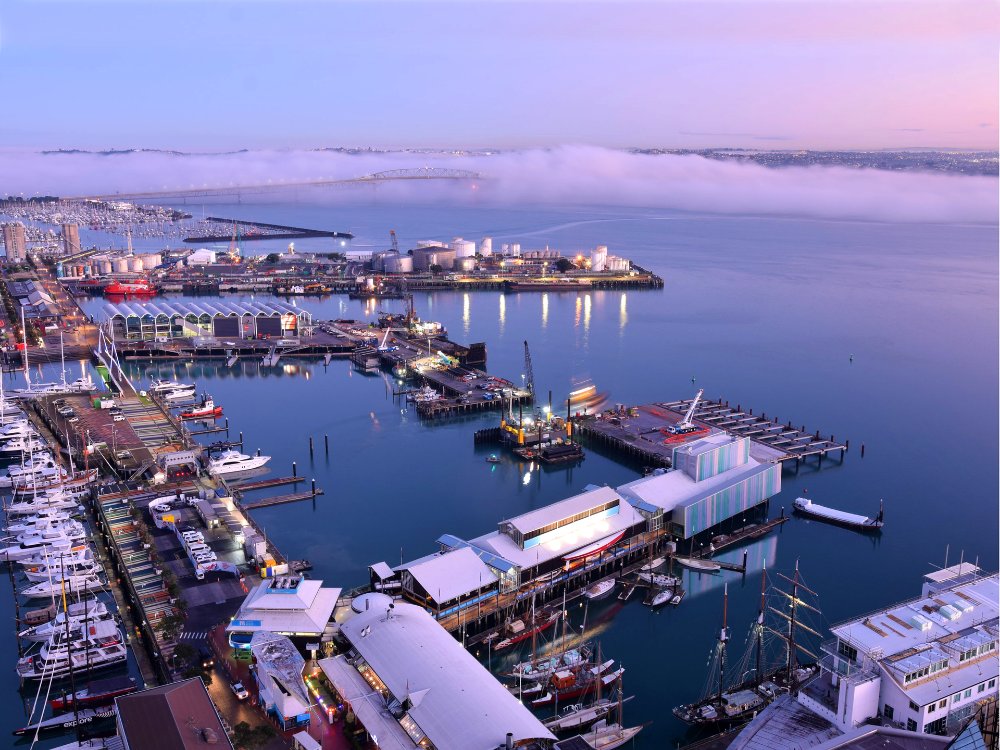
Wynyard Edge Alliance and all its participants have much to be proud of including the planning, design, construction and delivery of the infrastructure in an exemplary fashion. WEA is being held up as a model of how to get complex works done.
Barry Potter - Director Infrastructure and Environmental Services, Auckland Council
I’ve found the team at Beca to be great at collaborating. It’s felt like having new helpful, productive and expert colleagues.
Bonnie Apps - Principal Policy Advisor for the Resilient Tāmaki Makaurau Programme, Auckland Council
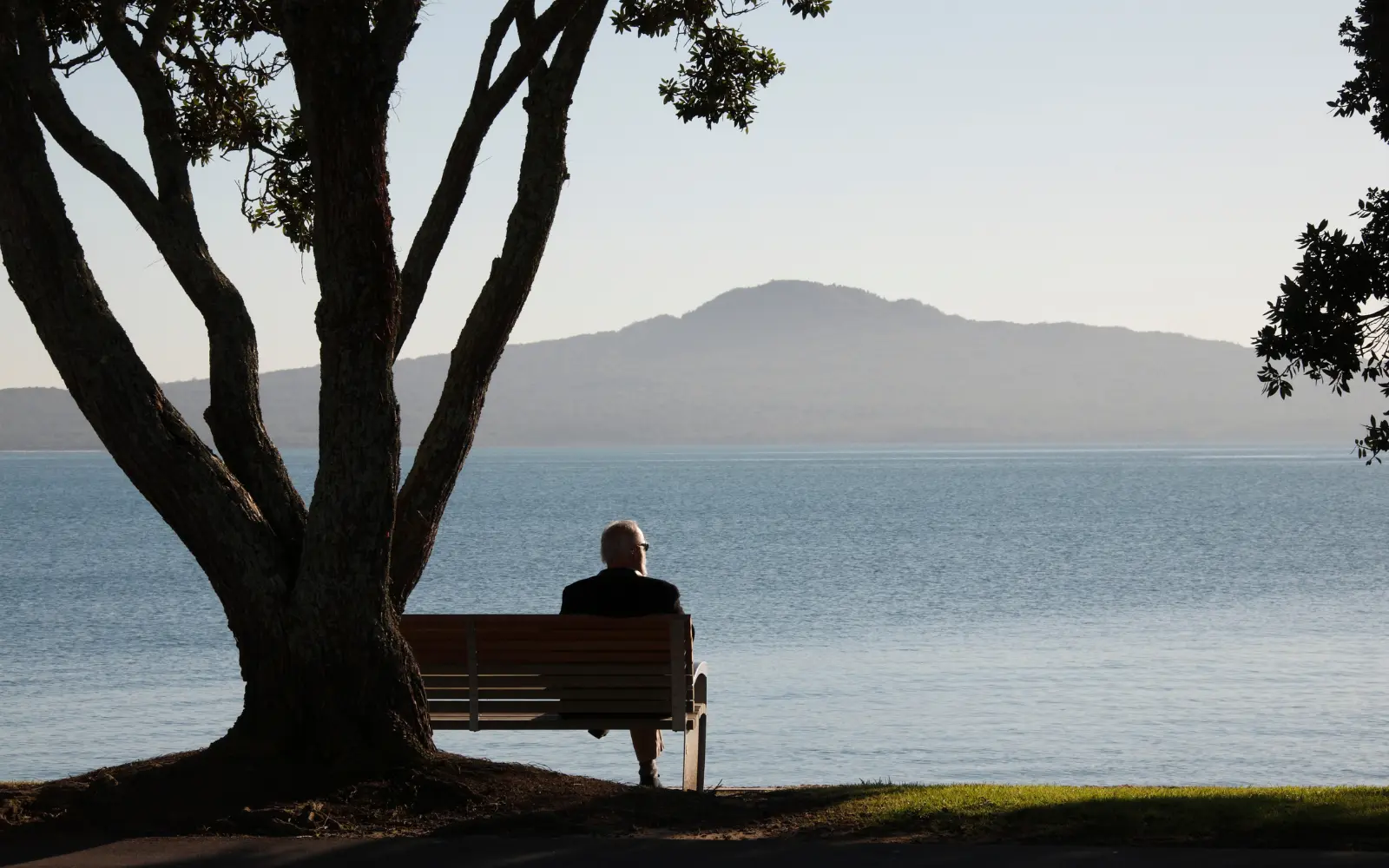
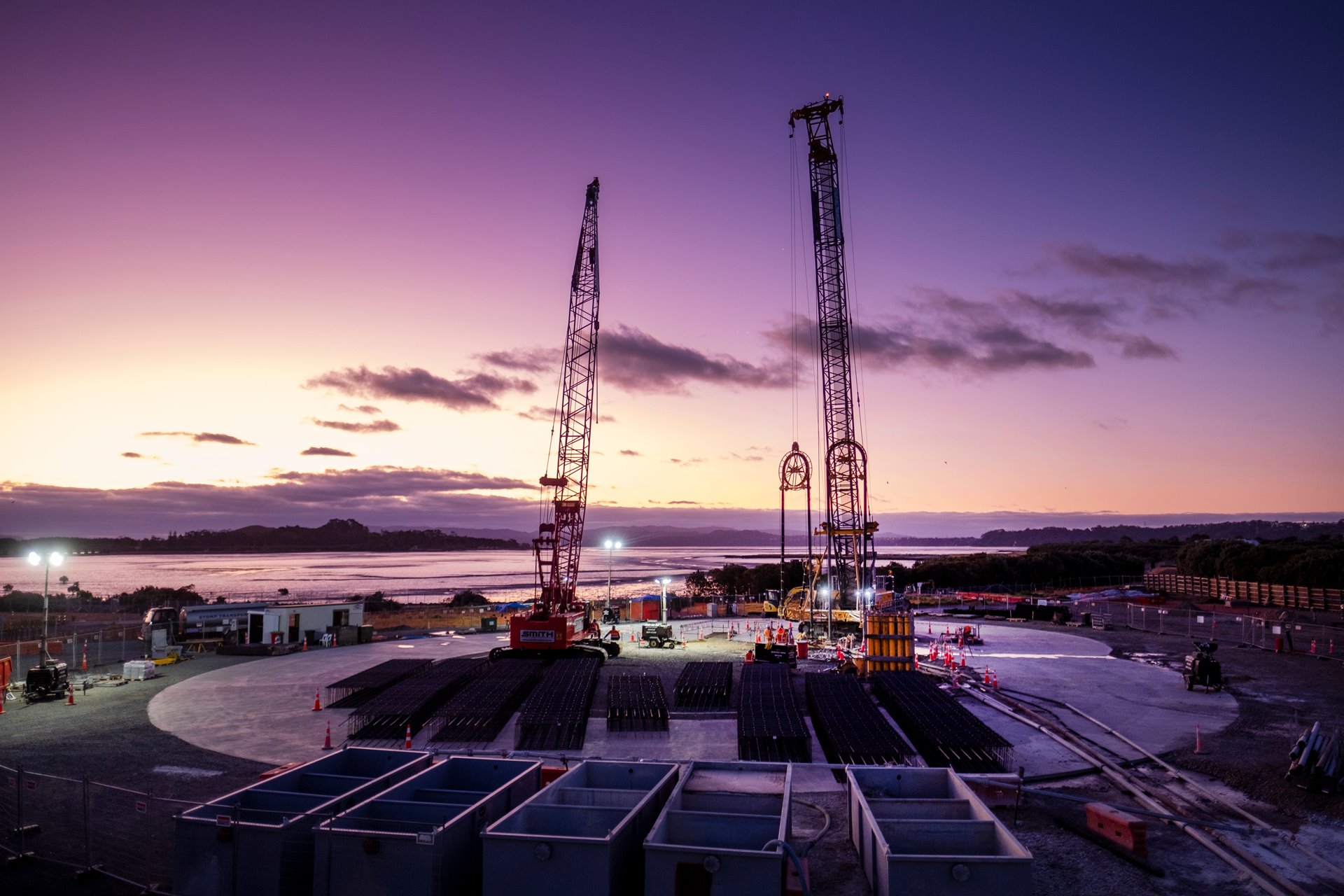
Being part of the Central Interceptor team is an incredible opportunity to contribute to a ground-breaking project, ensuring the future needs of Auckland’s growing population are met in a way that is safe, healthy, and sustainable way.
Ann Williams - Capability & Operations Manager, Geotechnical & Survey, Beca
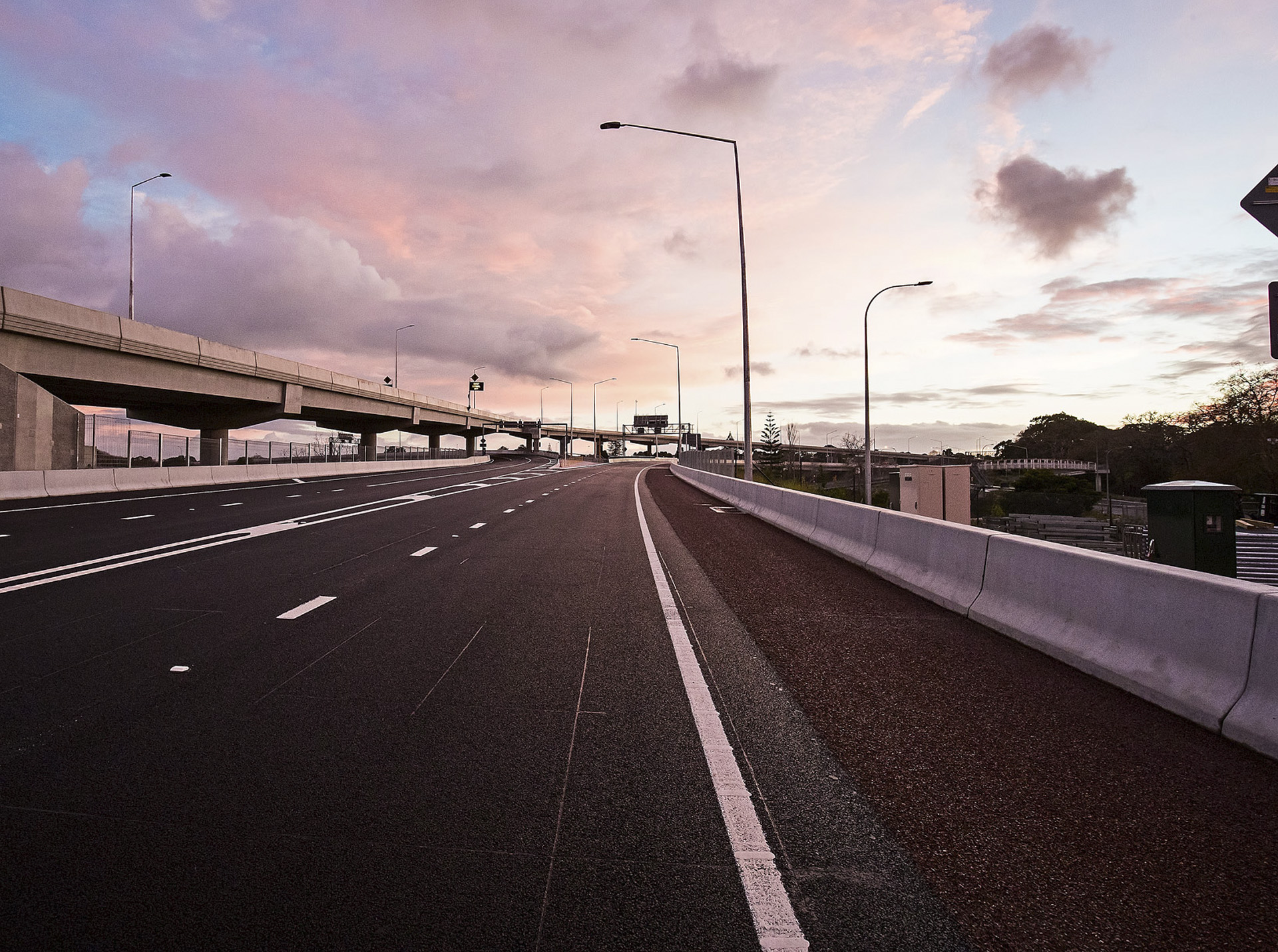
Waterview will mark the greatest change in Auckland’s transport connectivity since the opening of the harbour bridge in 1959, and it will have a significant impact on the way people and freight move around the city and New Zealand.
Brett Gliddon - NZ Transport Agency CEO


He raranga tirohanga. Partnership in practice
Te ao Māori is embedded in how we shape projects and partnerships across Tāmaki Makaurau. Te Paeroa o te Kawau guides our long view, honouring legacy while looking to the future. The strength of the kahikatea, and the whakataukī that speaks to unity of purpose, reminds us that progress comes from collective alignment and ecosystem thinking.
Our work is informed by authentic Māori voices, multigenerational Māori kaimahi, and iwi partners who sit with us from the start. Co‑design is standard practice, not an exception, reflecting the expectations government holds and the responsibilities we carry together.
Contact us
Incredible Thinking.

Real Solutions.