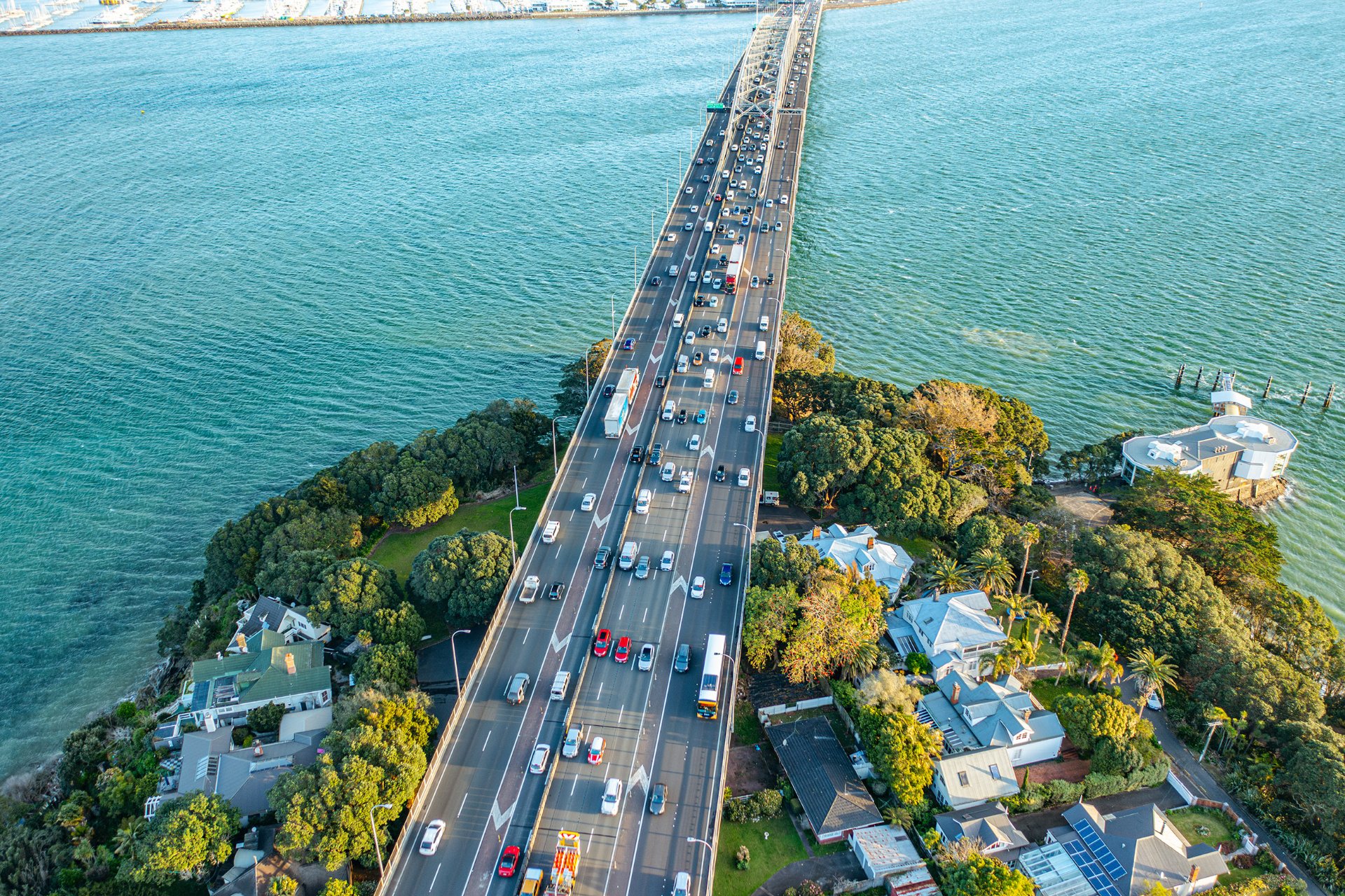

Better bridge decisions start below the surface
Seeing beyond complexity to make confident decisions about the assets, networks and communities that shape New Zealand's future.
Infrastructure leaders are being asked to navigate increasing uncertainty. Ageing assets, evolving community expectations, resilience challenges, funding pressures and growing investment demands are all shaping the decisions that determine long-term outcomes.
Better decisions start with deeper understanding. By combining technical expertise, engineering judgement and long-term thinking, we help infrastructure owners uncover risks, identify opportunities and build confidence in the choices that matter most. From asset management and resilience planning to bridge engineering and geotechnical insight, our focus remains the same: turning complexity into clarity and uncertainty into action.
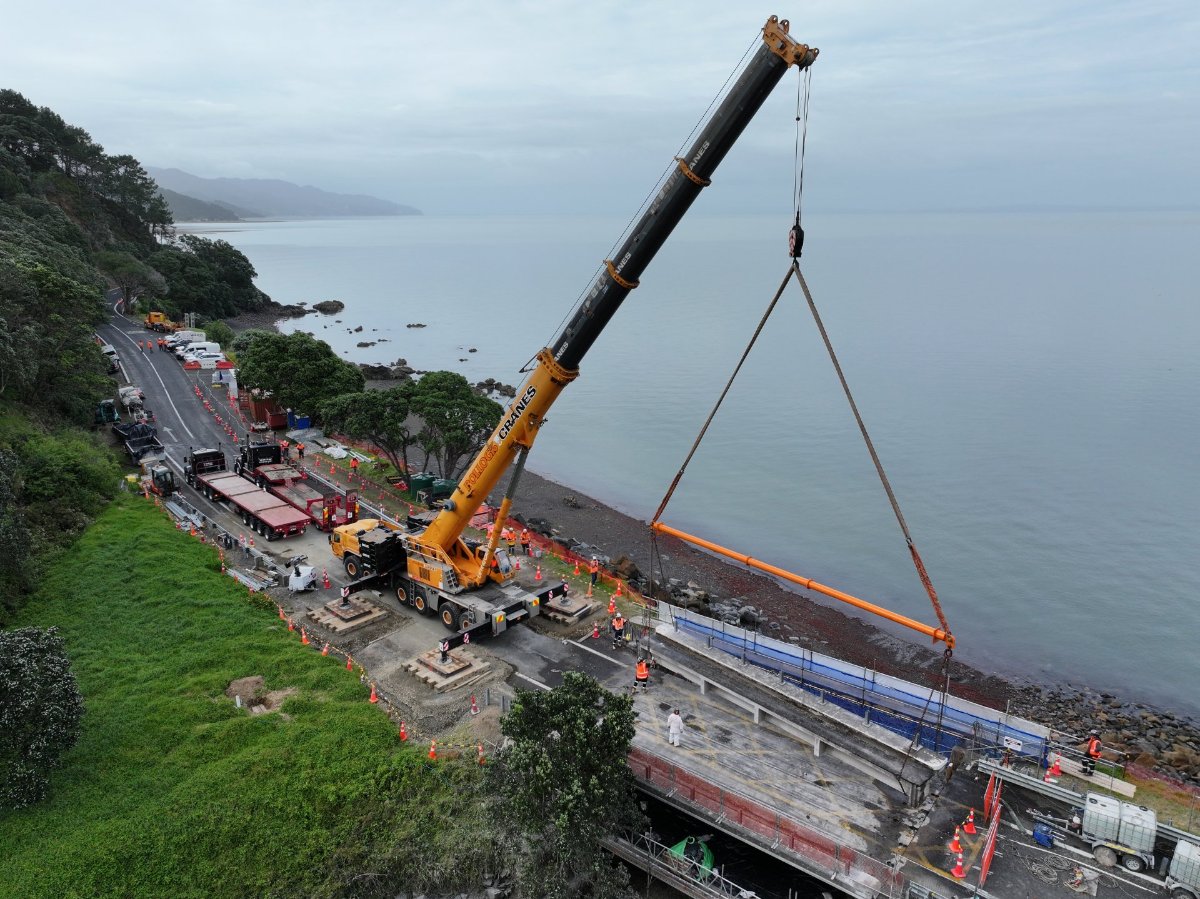
Every bridge carries more than traffic.
It supports connections between communities, enables economic activity, strengthens network resilience and helps shape how people experience the places they live and work.
The decisions made about these assets influence more than their structural performance. They affect the long-term outcomes infrastructure owners are trying to achieve, often in ways that extend well beyond the asset itself.
Understanding those broader impacts is an essential part of making confident decisions about the future.
Whats at stake
How do we make confident decisions in an increasingly uncertain world
Aging assets. Increasing demands from commercial users and communities. Changing climate and resilience challenges. Funding uncertainty. The environments that we make infrastructure decisions are becoming ever more complex and at the same time asset owners are under increasing pressure to extend long-term performance, balance investment and manage risk.Confidence doesn't come from having all the answers. It comes from having the capability to understand the factors that shape a decision. And, it comes from being able to make informed choices with the information available.
Building confidence requires more than technical expertise. Confidence in decisions relies on robust frameworks, sound engineering judgement and a willingness to continually improve the way decisions are made. Whether it’s understanding the risks posed by changing load demands or refining assessment methodologies and modernising design guidance, the goal remains the same: helping infrastructure owners make decisions that are practical, defensible and future-focused.
Because resilient infrastructure doesn't start with construction. It starts with confidence in the decisions that come before it. XClose
How do we continue delivering value from ageing infrastructure?
Across Aotearoa, infrastructure owners face a growing challenge. Aging assets, increasing expectations, and increased pressure on funding. At the same time, communities continue to rely on the infrastructure they use every day and expect it to remain safe, reliable and resilient.
Replacement is not always the best answer. Some of the most effective infrastructure investments come from understanding what value remains in existing assets and identifying opportunities to extend performance, improve resilience and maximise return on past investment.
Getting more from existing infrastructure requires a change the way we think. It means looking beyond age or condition alone and understanding the role an asset plays within a network, the value it continues to provide, and the interventions that can unlock additional years of service. Whether through targeted strengthening, renewal, adaptation or repurposing, the goal is the same: preserving and enhancing value before replacement becomes necessary.
Because great infrastructure stewardship isn't just about building new assets. It's about recognising the value of the ones we already have.
How do we make good decisions when the biggest risks aren't immediately visible?
The most significant challenges facing infrastructure owners are not always the ones we can see. Hidden deterioration, uncertain ground conditions, changing asset performance and incomplete information can all shape the decisions that determine long-term outcomes. Yet these factors often remain invisible until they become problems.
Understanding what sits beneath the surface is critical to making informed decisions about investment, maintenance, resilience and performance. Whether assessing the condition of ageing structures, investigating complex ground conditions or evaluating how assets will behave under future demands, better decisions rely on understanding the factors that influence risk before action is taken.
This requires more than gathering data: the ability to interpret information, recognise emerging issues and connect technical insight with practical outcomes. By building a clearer picture of how infrastructure is performing today and how it may perform in the future, owners can reduce uncertainty and act with greater confidence.
Because the quality of a decision is ultimately limited by the quality of the understanding that sits behind it.
How do we turn good decisions into successful outcomes?
The pressure on infrastructure projects continues to grow. Communities expect less disruption. Programmes need to move faster. Budgets are under pressure. Skilled resources are increasingly constrained. And yet expectations for quality, safety and long-term performance have never been higher.In this environment, successful delivery depends on more than good design alone. The decisions made during planning and design have a direct influence on how efficiently projects can be built, how safely they can be delivered and how much value they ultimately provide. Thinking about delivery from the outset creates opportunities to reduce complexity, improve constructability and minimise disruption without compromising outcomes.
Achieving this requires closer integration between design, manufacturing and construction. By considering how infrastructure will be fabricated, transported, assembled and maintained, project teams can identify smarter ways to deliver the same outcome. Standardisation, prefabrication and modern construction approaches all have a role to play, but the objective remains the same: making infrastructure easier to deliver, safer to build and more reliable to operate.
Because better infrastructure outcomes are not defined by the design alone. They are defined by how successfully that design can be delivered.
XClose
Deep Insight

Confident Action
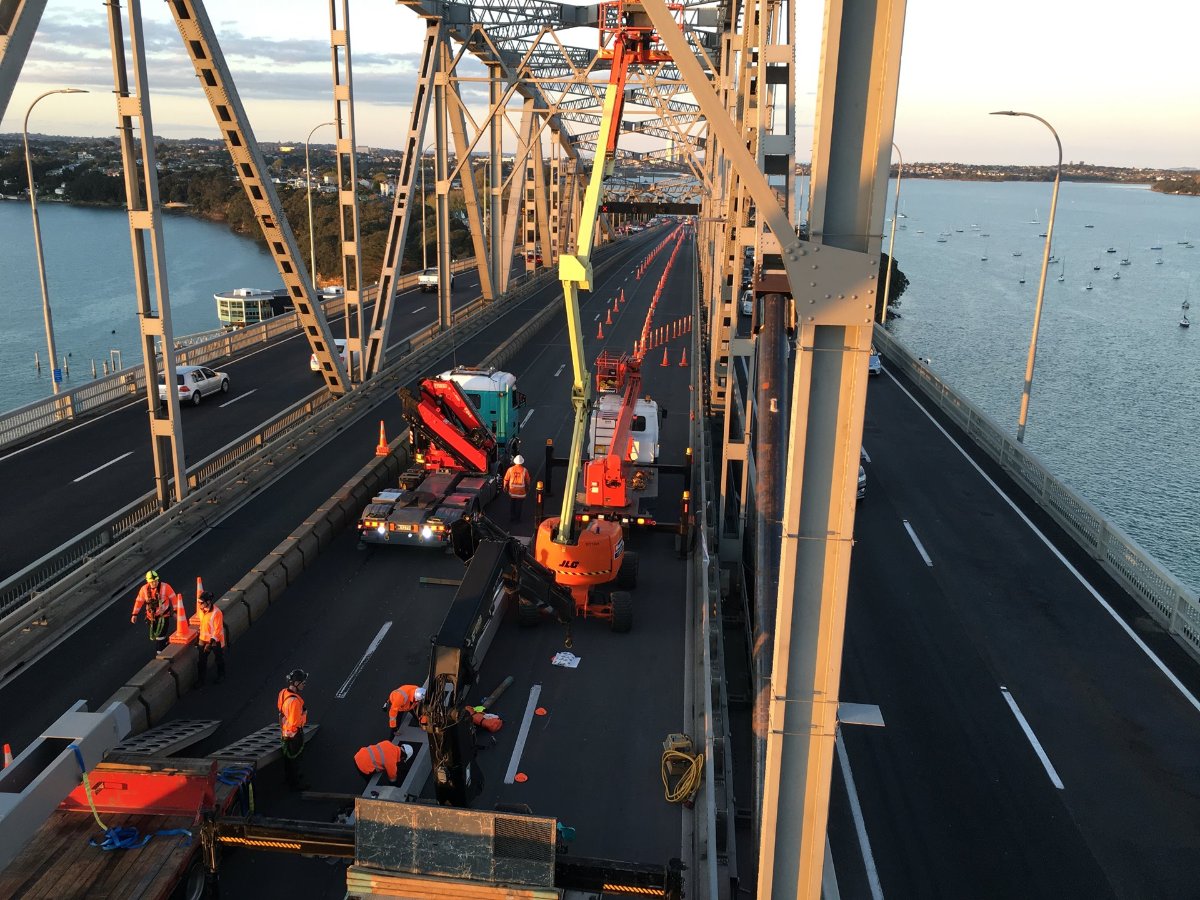
How do we balance safety, network performance and freight demands? New approaches to bridge capacity assessment are helping owners make more confident decisions about access and asset performance.
Bridge design standards must evolve with changing transport patterns. Discover how new traffic load models are helping prepare New Zealand's infrastructure for future demands.
Standardisation and off-site manufacturing are changing how bridges are delivered, reducing disruption while improving safety, efficiency and constructability.
Targeted renewal can extend asset life, improve resilience and reduce cost. Discover a new approach to getting more value from existing infrastructure.
Extending the life of one of New Zealand's most important transport links required deep investigation, careful assessment and confidence in the decisions that followed.
Instead of replacement, could adaptation deliver the required outcome? This project demonstrates how existing assets can continue serving future network needs.
A century-old culvert. A different way of thinking about renewal. See how circular design principles unlocked new value from existing infrastructure.
Modern infrastructure decisions require more than standards compliance. Discover how risk-informed assessment is reshaping bridge management.
Updating seismic design guidance helps ensure bridges are ready for the challenges of the future, particularly in some of the world's most active seismic regions.
Ground conditions influence every project. See how integrating geotechnical understanding, design and construction thinking can improve infrastructure outcomes.
Building Confidence Starts Here
Infrastructure decisions are becoming more complex, but complexity doesn't need to stand in the way of progress.
Whether you're exploring future investment, improving network resilience, extending asset life or delivering critical infrastructure, we can help bring clarity to the challenges ahead.